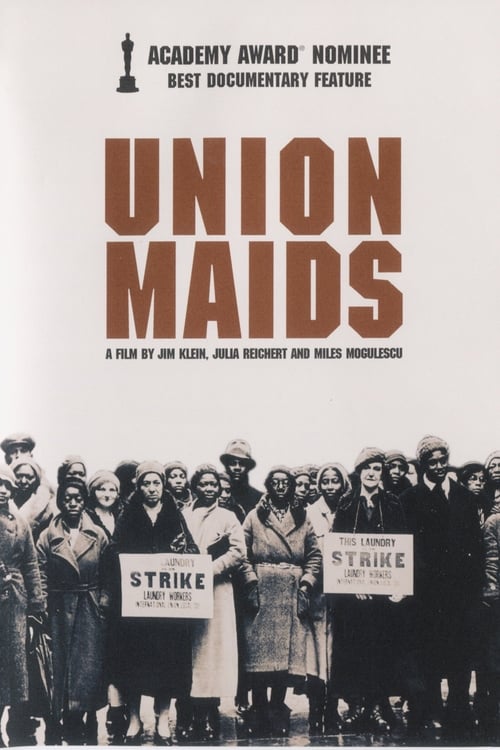
Union Maids
1976
No user ratings available yet
Representation score: 8.7 out of 10
Representation Score
Excellent
2020
Director
Julia Reichert, Steven Bognar
Runtime
89 minutes
Average Rating
No ratings yetNew Showbiz Analysis
The documentary excels at challenging traditional power structures by highlighting the empowerment of women and the ethnic diversity of the working class. It effectively links historical labor struggles to current income inequality. While the film offers a nuanced view of immigrant and Black workers, it does not provide specific visibility for LGBTQ+ identities. The narrative primarily focuses on the intersection of gender and class. Overall, the film serves as a sophisticated critique of systemic structures. It replaces a singular view of the American workforce with a complex tapestry of diverse identities fighting for change.
Category Breakdown
The film focuses on gender and labor issues rather than sexual orientation. There is no prominent focus on queer narratives or non-cisgender identities in the historical footage.
The narrative revolves around women taking control in professional settings. It documents how female clerical workers moved from subordinate positions to organized leadership roles, breaking down patriarchal structures.
The film highlights the contributions of diverse immigrant populations, including Jewish, Italian, and Eastern European communities. It also recognizes the involvement of Black workers in the labor movement.
The documentary critiques mid-20th-century capitalism and emphasizes collective action over individual meritocracy. It presents labor rights as a moral imperative against systemic oppression.
The film addresses the physical toll of labor and socioeconomic challenges. However, disability is not a central theme or primary narrative driver.
Present on Screen
Limited or Absent
Official Synopsis
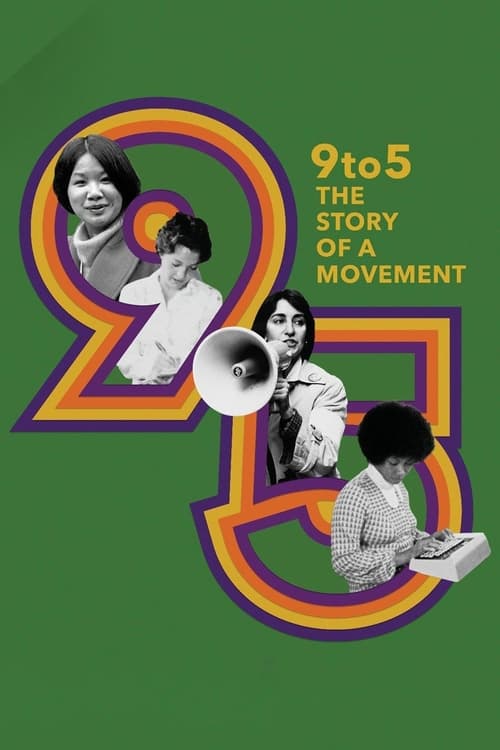
In the early 1970s, a group of secretaries in Boston decided that they had suffered in silence long enough. They started fighting back, creating a movement to force changes in their workplaces. This movement became national, and is a largely forgotten story of U.S. twentieth century history. It encapsulates a unique intersection of the women’s movement with the labor movement. The awareness these secretaries brought to bear on women’s work reverberates even today. Clericals were the low-wage workers of their era. America now confronts the growing reality of deep income inequality. The stories and strategies of these bold, creative women resonates in contemporary America.
1976

1977
2014
1954
2017

2020
2015
2000
No reviews yet. Be the first to share your thoughts on this movie!
Use the rating form above to leave a star rating and optional review.