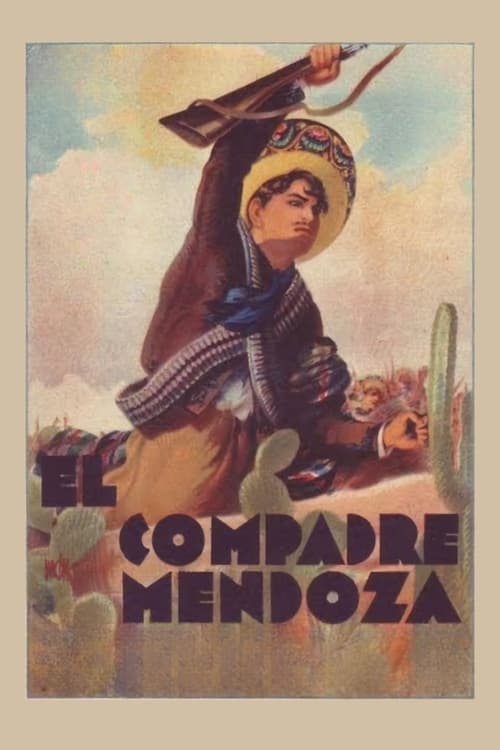
El compadre Mendoza
1934
No user ratings available yet
Diversity score: 4.5 out of 10
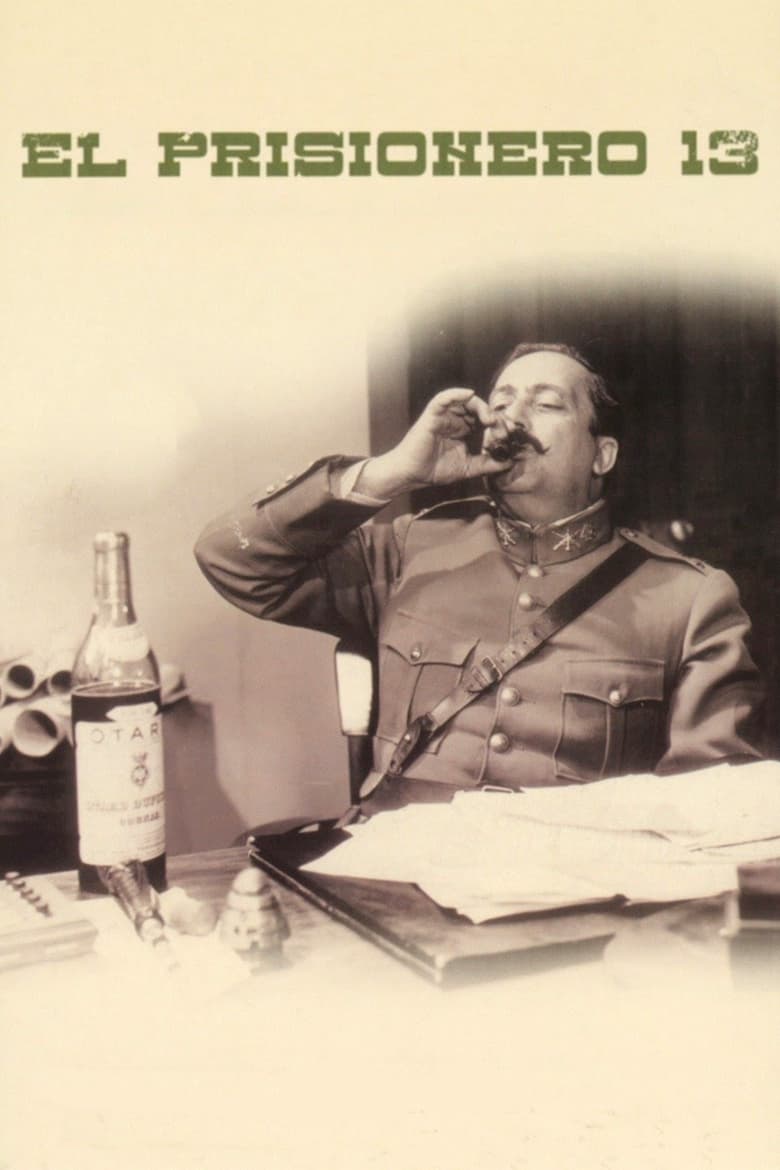
1933
Director
Fernando de Fuentes
Runtime
76 minutes
Average Rating
No ratings yetSynopsis
Colonel Carrasco's wife Marta leaves him taking his young son. The child, Juan, grows into an admirable and well-mannered young man. Having been promoted to a higher rank of power amidst the Mexican Revolution, the indulgent and corrupt Colonel accepts a bribe to free a revolutionary, Felipe Martinez, from his prison. Martinez has been sentenced to execution at the hands of a firing squad. Carrasco asks to have the revolutionary replaced by absolutely anyone. In a twist of fate, that anyone turns out to be his own long lost son Juan. Upon receiving this news, Marta races to the prison and explains the predicament to Carrasco. He subsequently desperately attempts to prevent the gunning down of his son by his very own government officials.
Overall Score
Fair
Category Breakdown
LGBTQ+ Representation
The film focuses on heteronormative family structures, specifically the bond between a father, mother, and son. No queer subtext or non-cisnormative identities are present.
Gender Representation
Marta serves as a maternal catalyst, though her agency remains largely reactive to male protagonists. Power dynamics center on male authority figures like Colonel Carrasco.
Racial & Ethnic Diversity
The film centers Mexican identities and the socio-political realities of the Mexican Revolution. It avoids the whitewashing common in contemporaneous Hollywood productions.
Religious & Cultural Diversity
The narrative challenges state authority by portraying government and military structures as corrupt. It explores the tension between personal morality and systemic institutional failure.
Disability Representation
There are no prominent depictions of visible or invisible disabilities within the narrative.
Strengths
Areas for Improvement
AI Analysis
Prisoner 13 stands as a foundational work of Mexican social realism. It excels by centering local agency and cultural specificity during a period of national identity formation, refusing to defer to Western-centric cinematic norms. However, the film is constrained by the era's social norms. The gender dynamics are heavily skewed toward male authority, leaving female characters in reactive roles within a patriarchal framework. Ultimately, the film's strength lies in its critique of institutional corruption. It uses the Mexican Revolution as a backdrop to explore the friction between individual ethics and systemic failure.
1934
1972
2001
1984
1916
1994

1967
1939
1979
1929

1936

1972
No reviews yet. Be the first to share your thoughts on this movie!
Use the rating form above to leave a star rating and optional review.