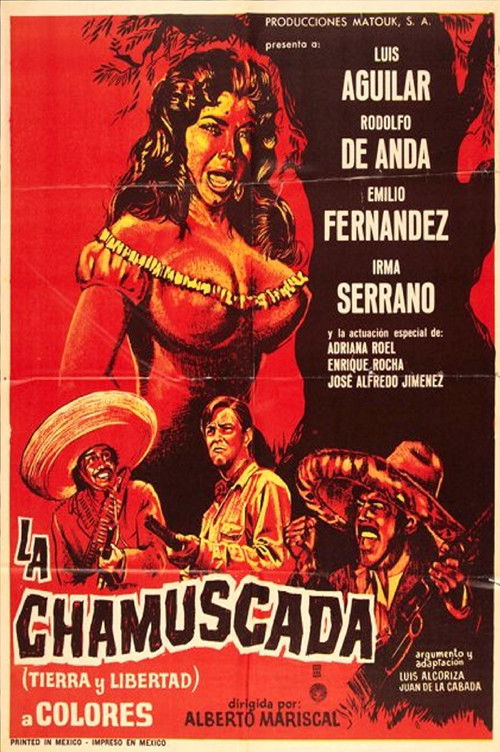
La Chamuscada - Tierra Y Libertad
1969
No user ratings available yet
Representation score: 3.8 out of 10
Representation Score
Limited
1934
Director
Fernando de Fuentes
Runtime
85 minutes
Average Rating
No ratings yetNew Showbiz Analysis
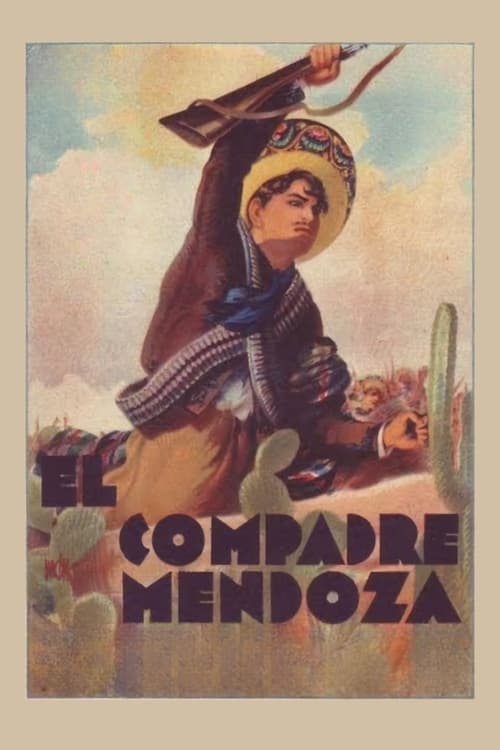
Fernando de Fuentes creates a sophisticated socio-political critique of opportunism during the Mexican Revolution. The film's strength lies in its deconstruction of institutional stability and its rejection of traditional heroism. While it effectively examines class-based racial dynamics and political hypocrisy, it remains limited by the era's social norms. It lacks representation for LGBTQ+ identities and provides minimal ability to act to female characters. Ultimately, the film is a study of moral ambiguity, using the protagonist's struggle for self-preservation to challenge conventional expectations of wartime leadership and authority.
Category Breakdown
The film does not include any LGBTQ+ characters or stories. The focus is on political and class-based themes rather than sexual orientation.
The story centers around Mendoza and male-dominated political circles. It does not show women driving the plot or challenging traditional roles.
The film explores the ethnic complexities of the Mexican Revolution. It looks at the tension between the landed elite and revolutionary forces linked to agrarian interests.
The film critiques traditional landownership and political opportunism. It uses the hacienda system to explore the conflict between agrarian hierarchies and revolutionary change.
There are no characters with physical or neurodivergent disabilities. Disability is not used as a narrative tool in this film.
Present on Screen
Limited or Absent
Official Synopsis
In the midst of the Mexican Revolution, the landowner Mendoza manages to get along with both the government and the revolutionary group. For the former, he is a supporter of Huerta. For the latter, he is a Zapata supporter. Depending on the political preference of whoever visits him at his hacienda, he has portraits of Huerta or Zapata put up, and organizes a party in honor of his visitors. However, time goes by and the situation becomes untenable. For whom will he take sides?
1969
1952
1950
2019
1948
1995
1942
1966
No reviews yet. Be the first to share your thoughts on this movie!
Use the rating form above to leave a star rating and optional review.