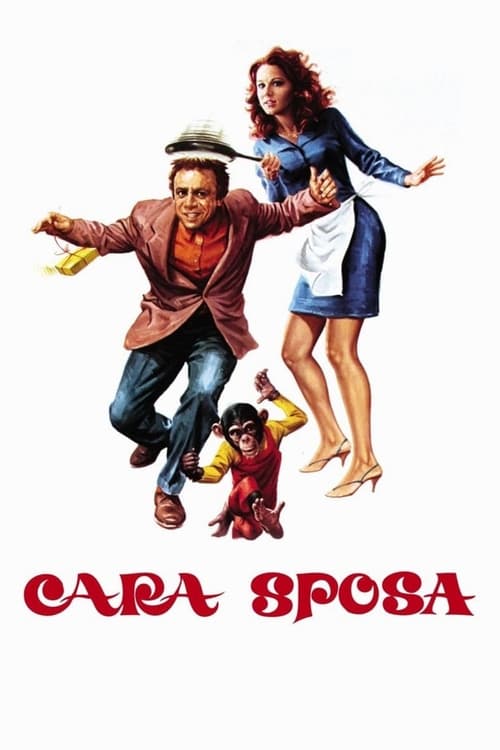
Sweetheart
1977
No user ratings available yet
Representation score: 2.5 out of 10
Representation Score
Minimal
1959
Director
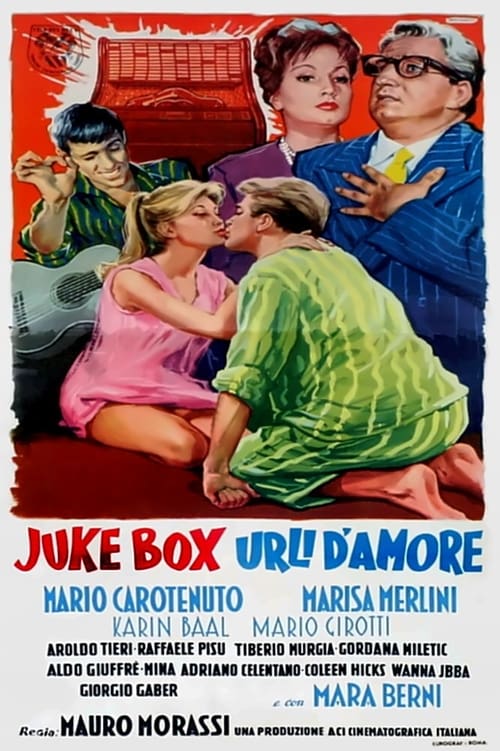
Mauro Morassi
Runtime
93 minutes
Average Rating
No ratings yetNew Showbiz Analysis
Juke Box - Screams of Love operates within the traditional narrative and social structures of late 1950s Italian comedy. The film relies on established social hierarchies and conventional character types, reinforcing the social order of the time through a narrow lens. By focusing on a marriage promise following a legal conviction, the film upholds the societal norms of the era. It lacks any multi-layered complexity, presenting a homogeneous view of society without addressing underrepresented identities.
Category Breakdown
The film does not include any non-cisgender identities or same-sex relationships. It focuses on a marriage promise that fits the heterosexual norms typical of the 1950s.
The story follows traditional romantic and gender roles from the mid-20th century. It centers on a conventional domestic setting involving Mario and Marisa.
The film reflects the homogeneous society of 1950s Italy. There is no indication of diverse casting that would challenge the era's demographics.
The story emphasizes individual moral recovery and traditional social integration. It aligns with Western social norms without questioning religious or family structures.
There are no characters with visible or invisible disabilities mentioned. The film does not address neurodivergence or physical impairments.
Present on Screen
Limited or Absent
Official Synopsis
After serving a conviction for fraud Mario tries to continue with his life and promises Marisa to marry her...
1977
1955
1971
1972
1963
1968
1959
1975
No reviews yet. Be the first to share your thoughts on this movie!
Use the rating form above to leave a star rating and optional review.