
La decente
1971
No user ratings available yet
Representation score: 2.0 out of 10
Representation Score
Minimal
1970
Director
José Luis Sáenz de Heredia
Runtime
0 minutes
Average Rating
No ratings yetNew Showbiz Analysis
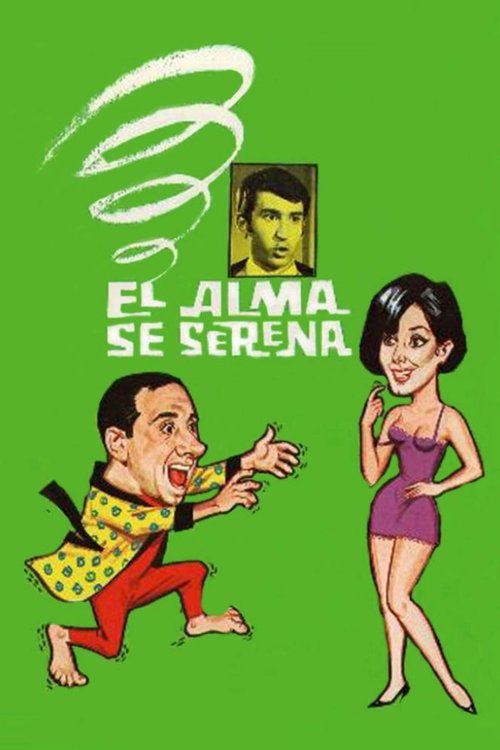
El alma se serena is a product of its time, adhering to the conventional social and cinematic frameworks of 1970s Spain. The film prioritizes established hierarchies and traditional moralities, offering little room for challenging the status quo or providing perspectives that reflect multiple aspects of identity. The narrative lacks representation for LGBTQ+ identities and diverse ethnic groups, reflecting the demographic homogeneity of the period. Gender roles appear to follow standard mid-century structures where women have limited ability to act. Ultimately, the film functions as a traditional comedy that reinforces rather than challenges the cultural and religious status quo of its era.
Category Breakdown
The film does not include intentional LGBTQ+ characters or arcs. It does not critique the assumption that everyone is straight or cisgender.
The production likely upholds traditional gender hierarchies typical of the era. Women's roles seem secondary to established social structures rather than driving the plot through intellectual or social means.
The film reflects the demographic homogeneity of 1970s Spain. There is no evidence of casting actors from diverse racial backgrounds to challenge Eurocentric norms.
Thematic elements suggest a focus on spiritual balance and traditional moralities. The narrative structure favors stability and conventional values over the deconstruction of religious or family institutions.
Disability is not a central narrative component. There is no evidence of characters with disabilities playing a significant role within the story.
Present on Screen
Limited or Absent
1971
1966
1971

1967
1970
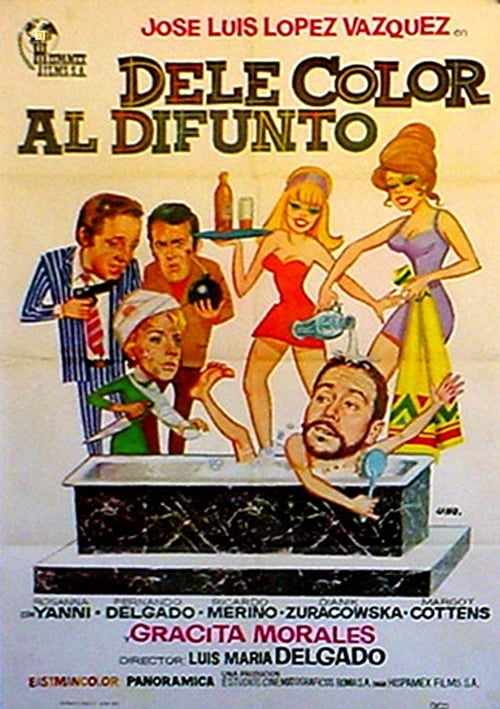
1970
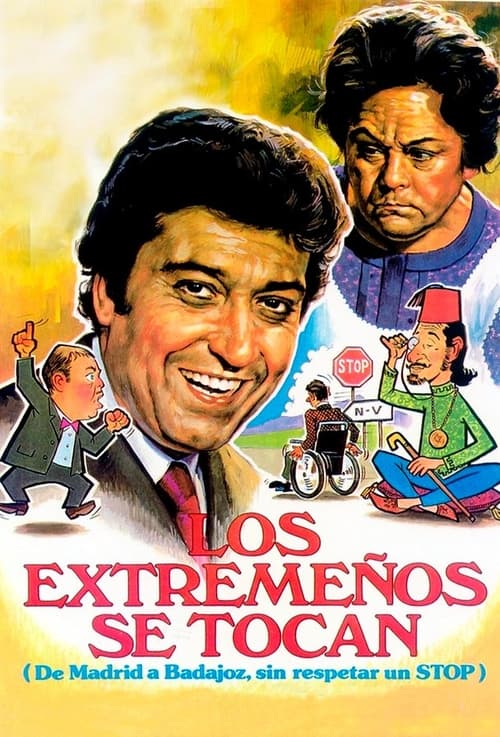
1970

1970
No reviews yet. Be the first to share your thoughts on this movie!
Use the rating form above to leave a star rating and optional review.