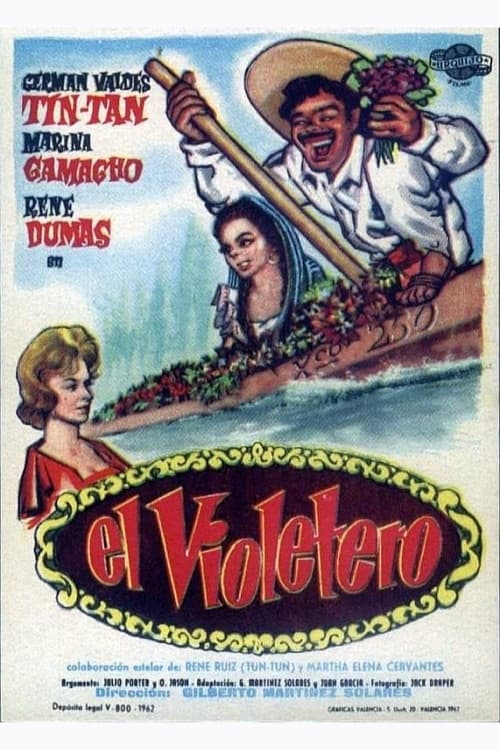
El Violetero
1960
No user ratings available yet
Representation score: 3.2 out of 10
Representation Score
Minimal
1963
Director
Luis Lucia
Runtime
0 minutes
Average Rating
No ratings yetNew Showbiz Analysis
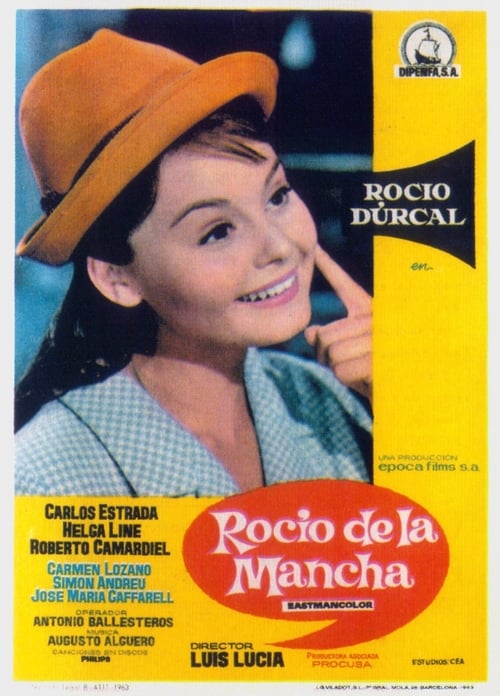
Rocío de la Mancha functions as a typical mid-century musical comedy that adheres to the social norms of its time. The film prioritizes traditional family dynamics and conventional storytelling over narrative disruption. While the female lead holds a position of responsibility, the plot relies on classic clichés that reinforce established gender roles. The work lacks intentionality in challenging the gendered or cultural expectations of 1960s Spanish cinema. Ultimately, the film serves as a representative piece of mainstream populist entertainment, maintaining a homogeneous cast and a focus on the sanctity of the nuclear family.
Category Breakdown
The film focuses on heterosexual relationships and traditional family structures. There are no representations of LGBTQ+ identities or critiques of heterosexuality.
The protagonist plays a significant role as a legal guardian for her siblings. However, the plot is driven by her desire to reunite with her husband, reinforcing traditional gender roles.
The cast appears largely homogeneous, reflecting the demographics of 1963 Spain. There are no indications of diverse ethnic backgrounds or multi-layered casting.
The narrative emphasizes familial duty and the restoration of the nuclear family. It upholds traditional social roles without challenging Western cultural norms.
There are no visible or invisible disabilities portrayed as central to the character arcs or plot progression.
Present on Screen
Limited or Absent
1960
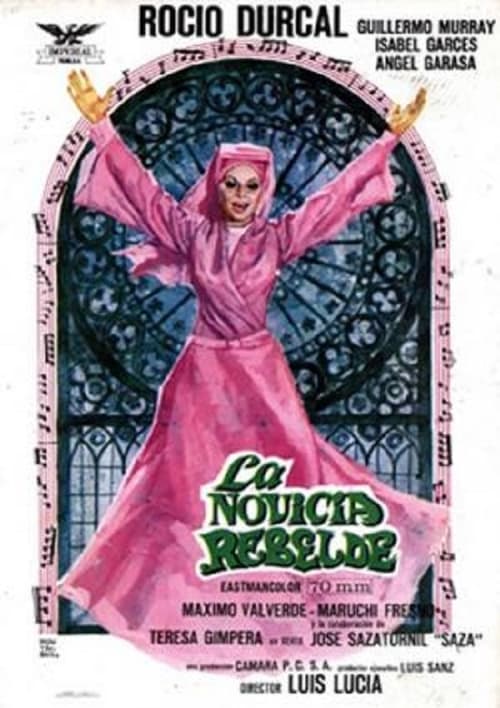
1971

1971
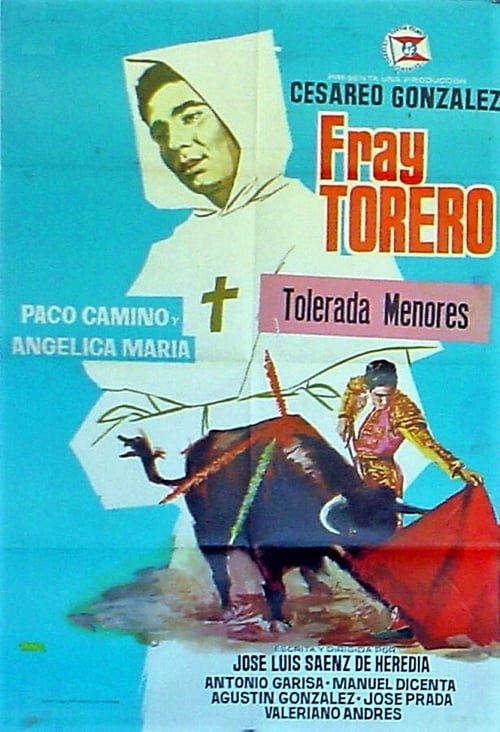
1966
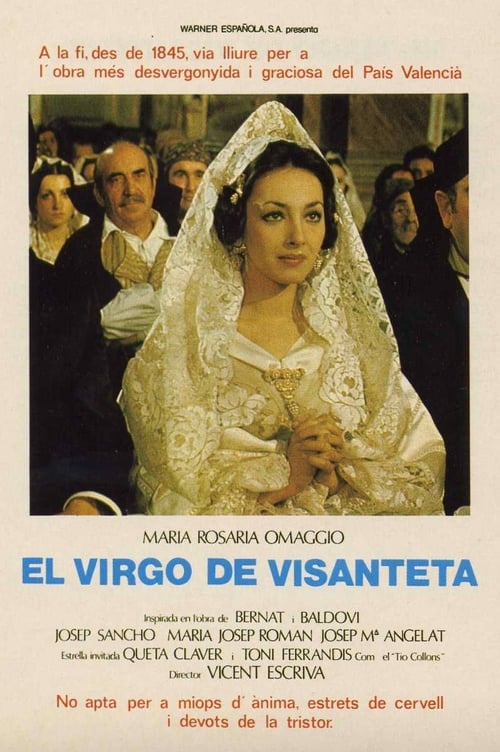
1979
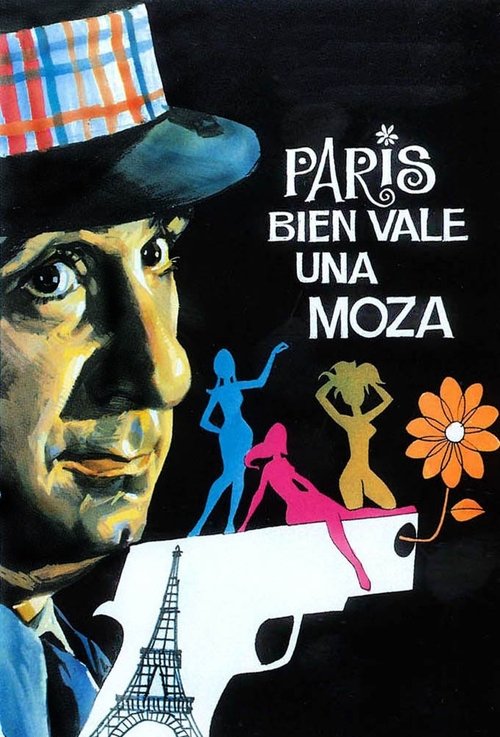
1972
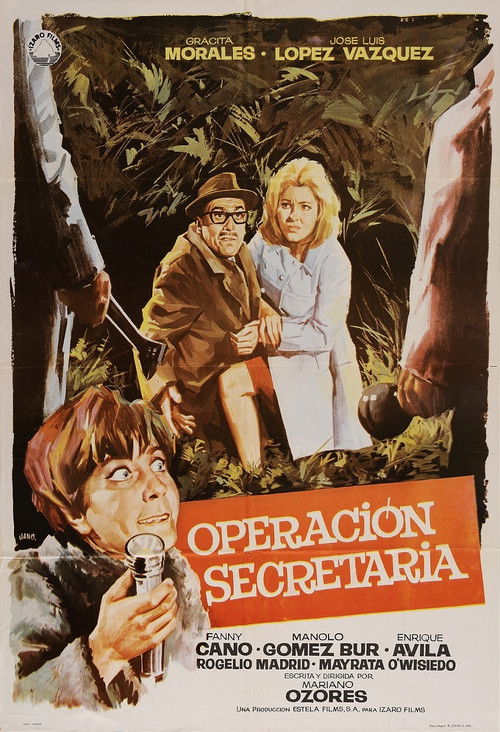
1966
1957
No reviews yet. Be the first to share your thoughts on this movie!
Use the rating form above to leave a star rating and optional review.