
In Search of Ozu
2018
No user ratings available yet
Representation score: 4.9 out of 10
Representation Score
Fair
2019
Director
Daniel Raim
Runtime
17 minutes
Average Rating
No ratings yetNew Showbiz Analysis
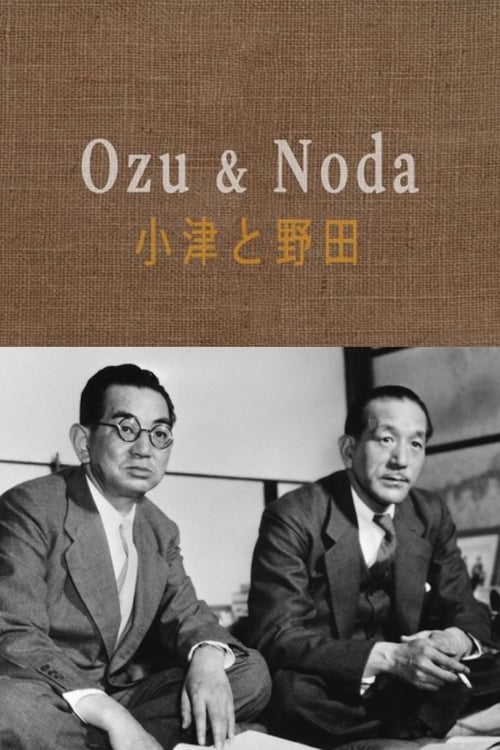
Ozu & Noda is a culturally significant exploration of East Asian cinematic history. It successfully disrupts Western-centric film narratives by centering the intellectual and artistic legacies of Japanese masters. However, the film remains limited by its historical context, focusing on a male-dominated period and lacking explicit markers of LGBTQ+ or gender-diverse perspectives. This keeps the diversity profile moderate. Ultimately, the documentary serves as a valuable study of professional partnerships and non-Western aesthetic philosophy, though it does not engage with modern multi-layered politics.
Category Breakdown
The film focuses on a lifelong bond between two men, emphasizing their creative collaboration. However, it doesn't explicitly confirm any romantic relationship or non-straight identities.
The narrative centers on a male-dominated era of Japanese cinema, highlighting the professional competence of Ozu and Noda. However, it lacks strong roles for women and does not challenge traditional gender hierarchies.
This documentary provides significant visibility to Japanese cinematic history, disrupting the Eurocentric dominance often found in global film studies. It centers East Asian masters, offering a fresh perspective.
The film presents a non-Western perspective on aesthetic philosophy and cinematic language, challenging Western-centric views of greatness. However, it does not specifically critique religious or capitalist systems.
There is no indication of the depiction of physical or neurodivergent disabilities within the film.
Present on Screen
Limited or Absent
Official Synopsis
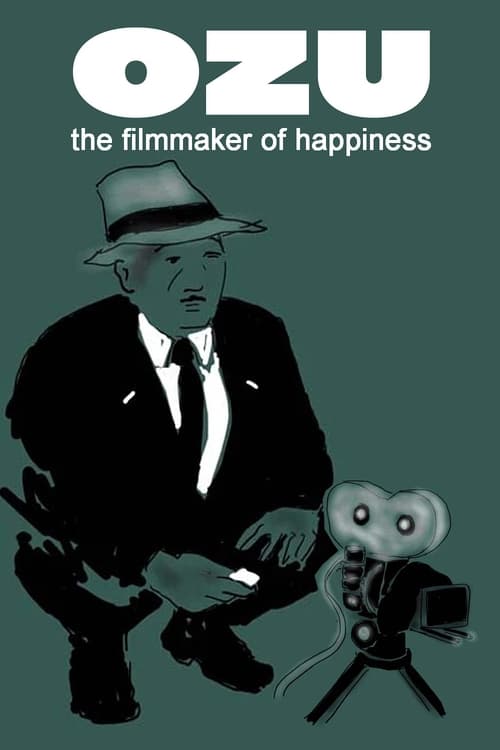
A new documentary by Daniel Raim on Yasujiro Ozu's relationship with longtime screenwriter Kogo Noda.
2018

1985
2006
2013

1983

1975
2012
2023
No reviews yet. Be the first to share your thoughts on this movie!
Use the rating form above to leave a star rating and optional review.