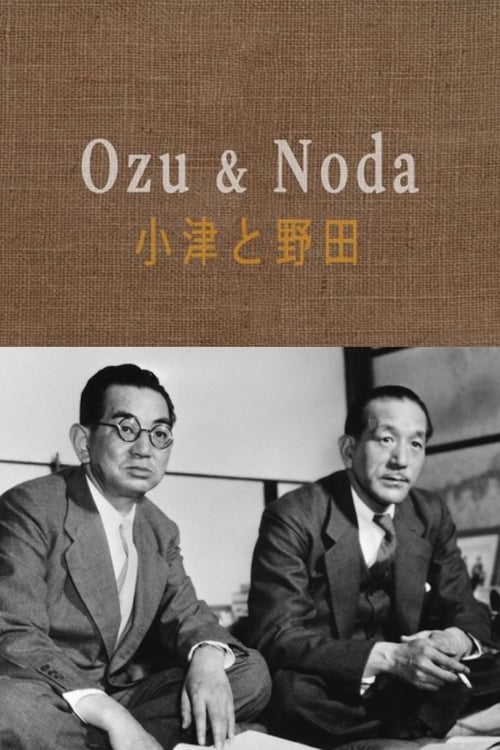
Ozu & Noda
2019
No user ratings available yet
Representation score: 5.0 out of 10
Representation Score
Fair
2018
Director
Daniel Raim
Runtime
46 minutes
Average Rating
No ratings yetNew Showbiz Analysis
In Search of Ozu serves as a specialized piece of film historiography. Its primary value lies in its dedication to preserving and analyzing non-Western cinematic mastery, which helps disrupt the Eurocentric canon of film studies. However, the documentary functions as a biographical and aesthetic tribute rather than a tool for social deconstruction. It focuses on Ozu's visual language and historical nuance rather than contemporary identity politics. Ultimately, the film is a scholarly examination of a specific cultural legacy. It succeeds in elevating Japanese film history but does not actively engage with systemic social hierarchies.
Category Breakdown
The documentary focuses on the transition of Yasujiro Ozu's films from black-and-white to color. It does not explicitly address LGBTQ+ identities or narratives.
The film explores Ozu's family dramas and domestic structures. It maintains a scholarly approach without specifically critiquing traditional masculinity or gender hierarchies.
The film centers on Japanese cinematic history and the legacy of a non-Western master. It prioritizes Japanese artistic achievement within a global scholarly context.
The narrative engages with the shifting structures of mid-century Japanese society. It offers a perspective that exists outside of traditional Western cinematic clichés.
There is no information available regarding the depiction of physical or neurodivergent disabilities in this work.
Present on Screen
Limited or Absent
Official Synopsis
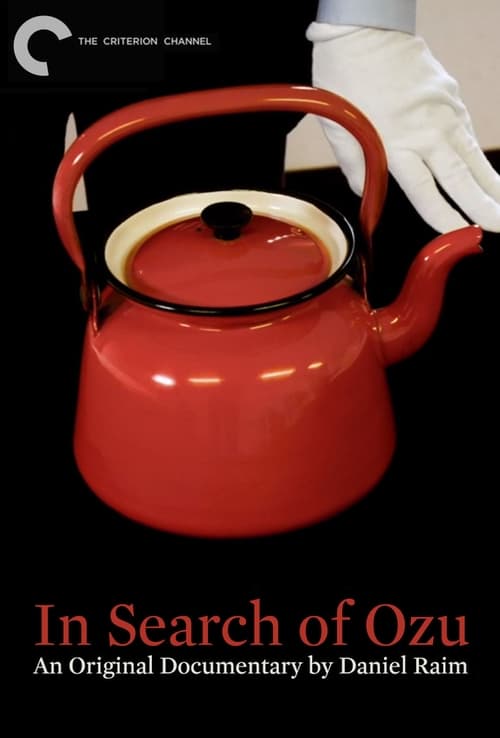
In this documentary, filmmaker Daniel Raim delves into Yasujiro Ozu's remarkable late work, in which the master made the leap from black and white to color. In his stirring tribute to the great filmmaker, Raim examines Ozu's life and work through archival treasures such as his diary and the red teakettle from the family drama "Equinox Flower" (1958); sits down with Ozu's nephew and the producer of the director's gently elegiac final film, "An Autumn Afternoon" (1962); and interweaves many scenes and images from the vibrant and humane films with which the director capped his career.
2019

1985
2023
2008
1983
2006
2018
2012
No reviews yet. Be the first to share your thoughts on this movie!
Use the rating form above to leave a star rating and optional review.