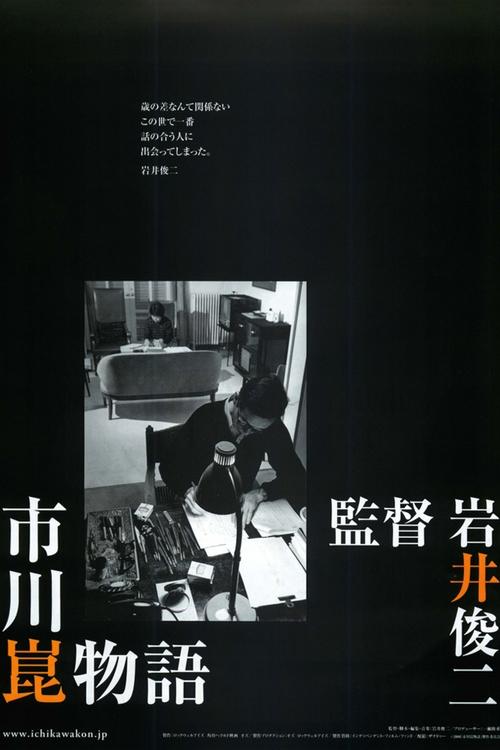
The Kon Ichikawa Story
2006
No user ratings available yet
Representation score: 3.9 out of 10
Representation Score
Excellent
1975
Director
Kaneto Shindō
Runtime
150 minutes
Average Rating
No ratings yetNew Showbiz Analysis
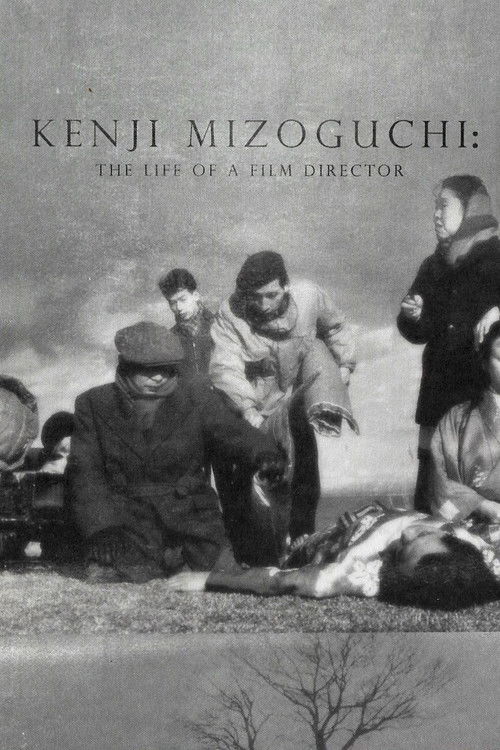
Kaneto Shindō’s documentary offers a nuanced exploration of multi-layered struggles through the lens of a Japanese master. By focusing on Mizoguchi, the film underscores a director who consistently challenged traditional gender hierarchies and patriarchal structures. The work stands as a crucial scholarly resource that challenges Eurocentric dominance in film historiography. It provides a non-Western perspective on the development of cinema. Despite its lack of contemporary social commentary or explicit representation of LGBTQ+ and disability issues, the film deeply explores systemic oppression and female resilience.
Category Breakdown
The documentary serves as a historical record rather than a story centered around LGBTQ+ experiences. It does not include explicit representations of non-binary or transgender identities.
The film emphasizes the legacy of Mizoguchi, highlighting the strength and resilience of women. This approach challenges traditional masculine-dominated narratives in cinema.
By focusing on an Eastern cinematic tradition, the film counters Eurocentric dominance. It contributes significantly to the study of film history from a non-Western perspective.
The narrative delves into Japanese social history and systemic oppression. It examines the tension between individual empowerment and traditional social structures.
There is no specific focus on disability in the film. It does not address neurodivergence or physical disabilities.
Present on Screen
Limited or Absent
Official Synopsis
In 39 interviews with actors and actresses, writers, producers and staff members, interspersed with film excerpts and stills, Shindō recounts the life and career of his friend and mentor Mizoguchi.
2006

1985

1983
2008

1999
2019
2016

2000
No reviews yet. Be the first to share your thoughts on this movie!
Use the rating form above to leave a star rating and optional review.