
Ozu: The Filmmaker of Happiness
2023
No user ratings available yet
Representation score: 6.1 out of 10
Representation Score
Fair
2012
Director
Kogonada
Runtime
2 minutes
Average Rating
No ratings yetNew Showbiz Analysis
Kogonada’s documentary is an essayistic examination of Yasujirō Ozu’s aesthetic rather than a character-driven narrative. It achieves its impact by deconstructing cinematic history and focusing on the architecture of space. The film challenges Western-centric storytelling by elevating the 'in-between' and the transitory over traditional, high-conflict climaxes. This shift moves the focus away from hero-centric clichés toward a more contemplative, situational perspective. While it lacks explicit multi-layered character arcs, the work provides a progressive disruption of conventional cinematic expectations through its academic and aesthetic engagement with Japanese heritage.
Category Breakdown
The film focuses on the spatial transitions and subtle nuances of Yasujirō Ozu’s cinematography without explicitly depicting LGBTQ+ characters or narratives.
The film centers on the domestic sphere and transitory spaces, disrupting traditional masculine hierarchies and emphasizing a quiet, daily existence.
This work engages with Japanese cinematic heritage through a contemporary lens, promoting a non-Anglo-centric discourse by prioritizing a Japanese aesthetic framework.
The documentary favors a contemplative, secular appreciation of existence, deconstructing traditional cinematic clichés of suspense in favor of a nuanced understanding of space.
There is no evidence regarding the portrayal of physical or neurodivergent disabilities within this study.
Present on Screen
Limited or Absent
Official Synopsis
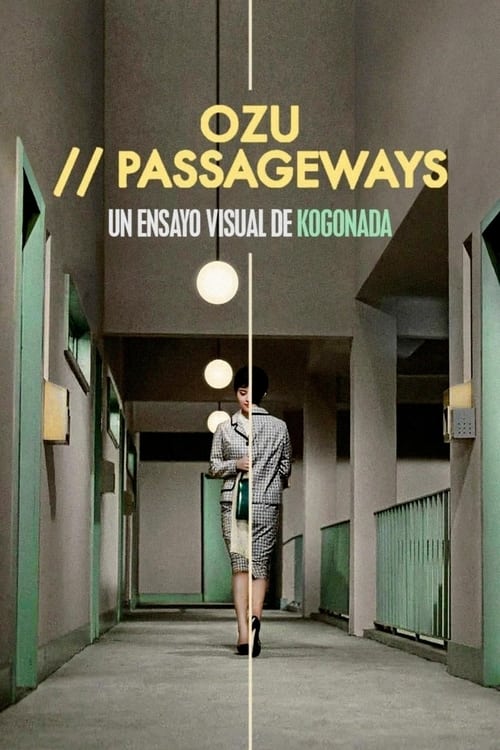
People constantly appear walking through passageways in the films of Japanese filmmaker Yasujirō Ozu (1903-63). His art resides in the in-between spaces of modern life, in the transitory: alleys are no longer dark and threatening traps where suspense is born, but simple places of passage.
2023

1985

2018

1929

2019

1983

2014

2006
No reviews yet. Be the first to share your thoughts on this movie!
Use the rating form above to leave a star rating and optional review.