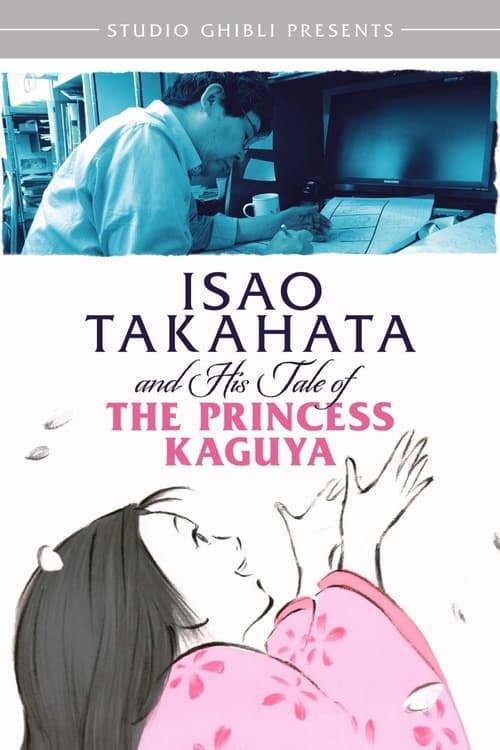
Isao Takahata and His Tale of The Princess Kaguya
2014
No user ratings available yet
Representation score: 4.5 out of 10
Representation Score
Fair
2013
Not RatedDirector
Mami Sunada
Runtime
118 minutes
Average Rating
No ratings yetNew Showbiz Analysis
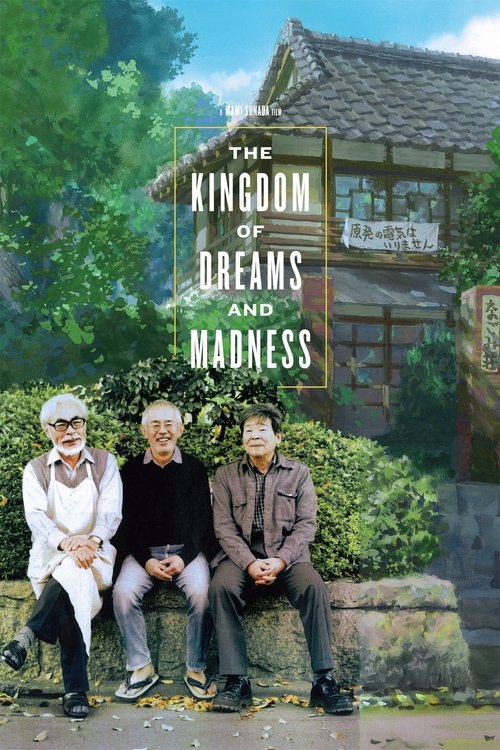
The documentary serves as an observational study of Studio Ghibli's internal mechanics. It prioritizes the preservation of established masters and their artistic legacies over disrupting social hierarchies. While the film offers a deep ethnographic look at Japanese artistry, its narrative architecture is culturally specific and professionally focused. It does not actively engage with diverse globalist narratives or multi-layered identity politics. Ultimately, the film functions as a traditional biographical work. It honors the institutional traditions of the studio rather than seeking to challenge conventional social or gendered leadership roles.
Category Breakdown
The documentary focuses on the professional and biographical lives of Studio Ghibli's leadership. It does not include any explicit narratives about LGBTQ+ identities or queer-coded themes.
The film centers on the male creative leaders of animation, emphasizing the philosophies of Miyazaki, Takahata, and Suzuki. This reinforces a traditional hierarchy where male figures dominate the creative process.
As a study of a Japanese institution, the film maintains a culturally homogeneous focus. It reflects the specific geographic context of the studio without promoting global diversity.
The film provides a nuanced look at Japanese work ethics and monastic dedication to craft. It avoids Western capitalist models but does not engage in political or moral debates.
There is no significant evidence regarding the portrayal of visible or invisible disabilities within the studio's management or creative direction.
Present on Screen
Limited or Absent
Official Synopsis
Follows the behind-the-scenes work of Studio Ghibli, focusing on the notable figures Hayao Miyazaki, Isao Takahata, and Toshio Suzuki.
2014

2009
2024

1985
2017

2015
2019

2007
No reviews yet. Be the first to share your thoughts on this movie!
Use the rating form above to leave a star rating and optional review.