Alice
1988
No user ratings available yet
Representation score: 7.8 out of 10
Representation Score
Good
1971
Director
Jan Švankmajer
Runtime
14 minutes
Average Rating
No ratings yetNew Showbiz Analysis
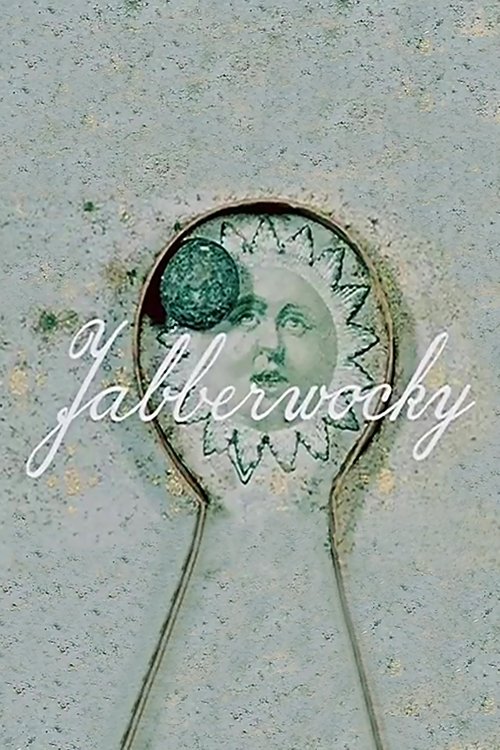
Jan Švankmajer’s film disrupts traditional narratives by focusing on surrealism and the psyche rather than demographic inclusion. The absence of human characters means that traditional identity politics are less relevant. Instead, the film centers on the metamorphic nature of inanimate objects, which serves as a critique of structured social hierarchies. The film’s value lies in its surreal exploration of the subconscious and the fluid nature of objects, rather than in demographic representation.
Category Breakdown
The film features anthropomorphic objects as protagonists, so there is no direct engagement with LGBTQ+ identities or sexual orientation.
By using inanimate objects as main characters, the film avoids traditional gender roles and stereotypes.
Since the film focuses on objects rather than humans, it does not address racial or ethnic identities.
The film challenges conventional morality and rational thinking through its surreal and dream-like narrative structure.
The film explores themes of physical instability and transformation, but these are used as abstract metaphors rather than direct representations of disabilities.
Present on Screen
Limited or Absent
Official Synopsis
In stop-motion animation, a wardrobe moves through the countryside. It arrives in a house, a child's voice recites Lewis Carroll's "Jabberwocky," and various objects, such as toys and dolls, move about, disintegrate, and play out archetypal scenes. Like Carroll's verse, the images are at once familiar and unfamiliar. A child's play suit, hanging in the wardrobe, becomes the adventure's protagonist.
1988
1926

1965
1951
1967
1984
1969

1966
No reviews yet. Be the first to share your thoughts on this movie!
Use the rating form above to leave a star rating and optional review.