
Seawards the Great Ships
1960
No user ratings available yet
Representation score: 0.5 out of 10

Representation Score
Fair
1935
Director
Paul Rotha
Runtime
24 minutes
Average Rating
No ratings yetNew Showbiz Analysis
Paul Rotha’s documentary serves as a study of industrial systems and the material conditions of the working class. It prioritizes the mechanics of ship construction and collective labor over individual character arcs, aligning with the social realist tradition. However, the film is constrained by the historical context of 1935. The shipyard is presented as a strictly male-dominated, homogeneous space, offering little visibility for women, diverse ethnic groups, or LGBTQ+ identities. Ultimately, the work provides a valuable lens into systemic industrial realities but lacks the multi-layered representation found in modern cinema.
Category Breakdown
The film does not include any LGBTQ+ characters or narratives. It focuses on a male-dominated environment typical of mid-century heavy industry.
Labor is depicted as overwhelmingly masculine, reinforcing traditional gender hierarchies. There is a notable lack of visible female involvement within the primary industrial narrative.
The workforce appears largely homogeneous, reflecting the specific demographic realities of Barrow-in-Furness in 1935. There is no intentional effort to showcase racial or ethnic diversity.
The film excels by centering the collective effort of the working class. It prioritizes the systemic reality of industry over individualistic or traditional heroic narratives.
Disability is not a central theme in this industrial study. While the physical toll of manual labor is implied, no characters with disabilities are given narrative importance.
Present on Screen
Limited or Absent
Official Synopsis
Documentary about the building of ships at Barrow-in-Furness.
1960
1898

1945

1896
1936

1934

1932
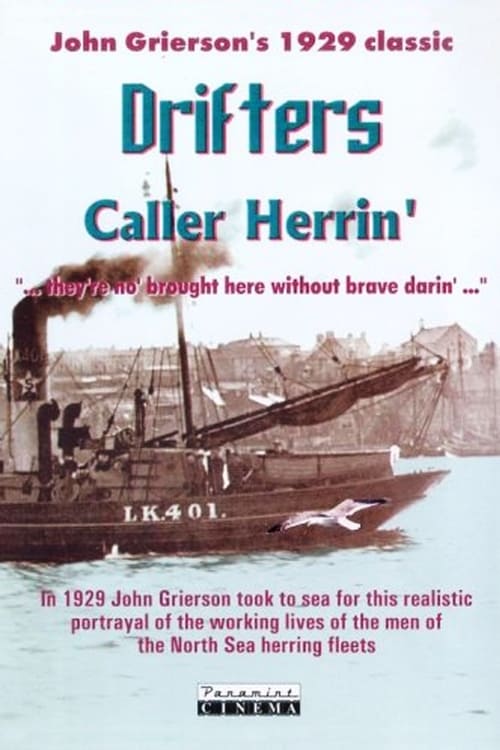
1929
No reviews yet. Be the first to share your thoughts on this movie!
Use the rating form above to leave a star rating and optional review.