What is the Electric Car?
2010
No user ratings available yet
Representation score: 5.9 out of 10
Representation Score
Minimal
2011
PG-13Director
Chris Paine
Runtime
90 minutes
Average Rating
No ratings yetNew Showbiz Analysis
This documentary prioritizes technological and economic progression over social representation. It serves as a specialized industrial chronicle, focusing on the race to bring practical consumer electric vehicles to market. The film effectively challenges the systemic inertia of legacy automotive manufacturing and energy monopolies. However, it does so through the lens of market competition rather than social justice frameworks. Ultimately, the narrative architecture is designed to document a shift in global energy paradigs, leaving identity-based hierarchies largely unexamined.
Category Breakdown
The documentary does not feature any LGBTQ+ characters or narratives related to non-cisgender identities.
The film focuses on automotive engineering and executive sectors, depicting these fields through traditional masculine leadership. It lacks substantial representation of women in leadership roles.
The cast of experts and industry leaders appears predominantly homogeneous, reflecting the traditional demographic makeup of the mid-2000s automotive corporate structure.
The film critiques the stability of traditional industrial institutions by framing the transition to electric vehicles as a struggle against entrenched monopolies. It remains focused on technological progress.
There is no visible or invisible disability representation in the narrative. Subjects are portrayed primarily through the context of technical expertise.
Present on Screen
Limited or Absent
Official Synopsis
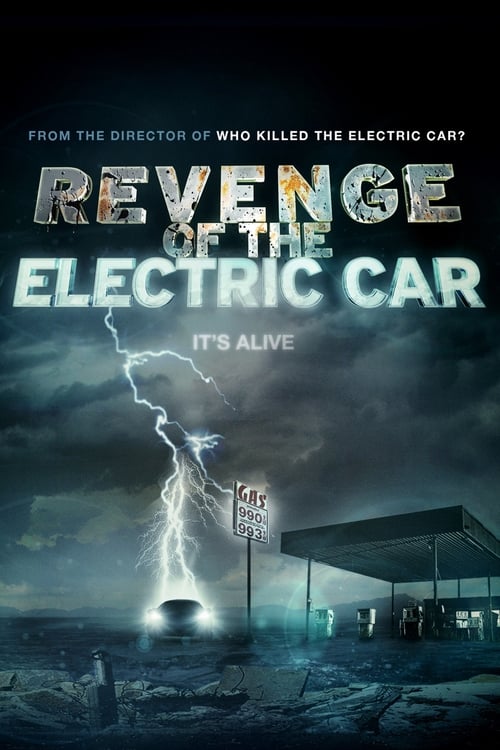
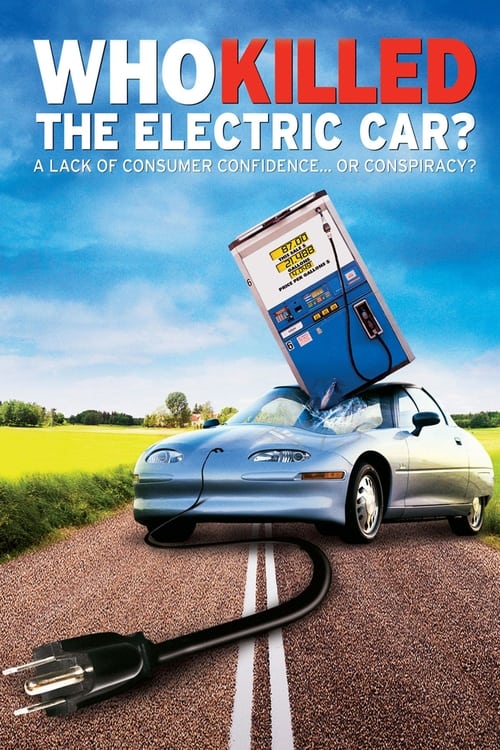
A sequel to 2006's Who Killed the Electric Car?, director Chris Paine once again looks at electric vehicles. Where in the last film electric cars were dismissed as uneconomical and unreliable, and were under multiple attacks from government, the auto industry, and from energy companies who didn't want them to succeed, this film chronicles, in the light of new changes in technology, the world economy, and the auto industry itself, the race - from both major car companies like Ford and Nissan, and from new rising upstarts like Tesla - to bring a practical consumer EV to market.
2010
2006

2014

2016
2015

2010
2017

2013
No reviews yet. Be the first to share your thoughts on this movie!
Use the rating form above to leave a star rating and optional review.