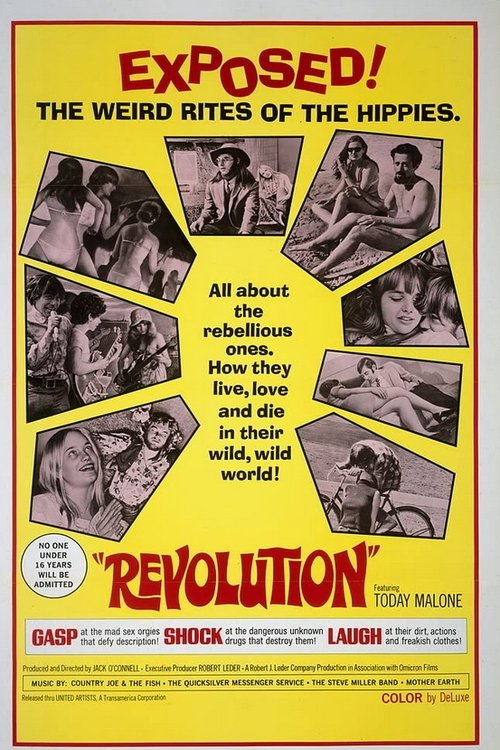
Revolution
1968
No user ratings available yet
Representation score: 5.8 out of 10
Representation Score
Good
1971
PGDirector
Baird Bryant, Johanna Demetrakas
Runtime
82 minutes
Average Rating
No ratings yetNew Showbiz Analysis
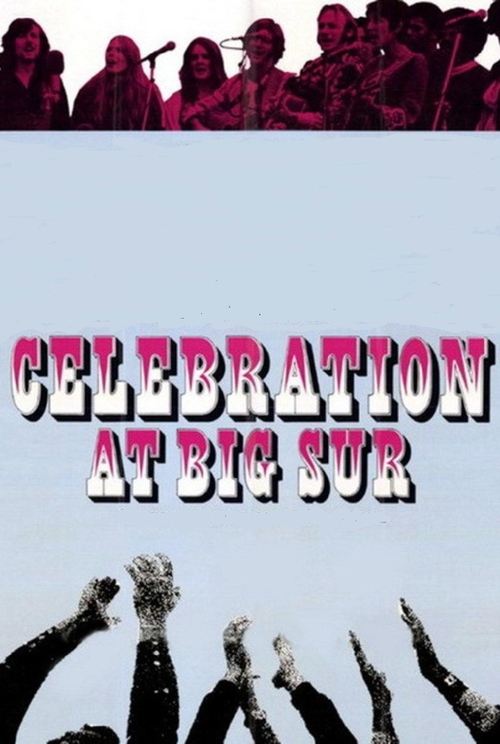
Celebration at Big Sur functions as a crucial historical document of the folk-rock transition. It effectively captures a period that challenged established Western hierarchies through music and communal living. The film gives prominent roles to female artists and acknowledges the impact of Black musical traditions. However, its cast primarily reflects the predominantly white folk-rock scene of the era, with less explicit engagement with identity politics.
Category Breakdown
The film captures an era marked by early explorations of sexual identity, featuring artists like Joni Mitchell who hint at a move away from strict heterosexual norms. However, it doesn't delve deeply into specific LGBTQ narratives.
Women like Joan Baez and Joni Mitchell play key roles in the film, showcasing their intellectual and artistic leadership rather than falling into submissive stereotypes.
The film includes performances of spirituals and features Black musicians like Dorothy Morrison, highlighting the influence of Black musical heritage. However, the overall cast reflects the predominantly white folk-rock scene of the time.
The documentary showcases a shift towards communal and bohemian lifestyles, emphasizing a secular, shared experience over traditional religious or conservative values.
There is no significant evidence regarding the portrayal of performers with visible or invisible disabilities within the festival footage.
Present on Screen
Limited or Absent
Official Synopsis
Star-studded show recorded at the Big Sur Folk Festival, Big Sur, California, September 13th and 14th, 1969. Joan Baez, Crosby, Stills, Nash & Young, Joni Mitchell, John Sebastian, and others. This film captures a remarkable moment in folk, rock, and pop history - the famous folk festival that brought traditional acts like Dorothy Morrison & The Combs Sisters and Carol Ann Cisneros together with the psychedelic rockers of the day who were most deeply rooted in the folk revival. Older songs like ‘Oh Happy Day,’ ‘Rise And Shine,’ ‘All God’s Children,’ and ‘Swing Down, Sweet Chariot’ meet Joni Mitchell’s ‘Woodstock,’ Joan Baez’s ‘Sweet Sir Galahad,’ ‘Bob Dylan’s ‘I Shall Be Released,’ CSNY’s ‘Down By The River,’ and many more of the now-classic songs of what was then called the ‘new rock.’ The scene is notably intimate and - aside from one fan’s dustup with Stephen Stills - mellow, with many rare, close-up moments with the stars.
1968
1978

2010
1967
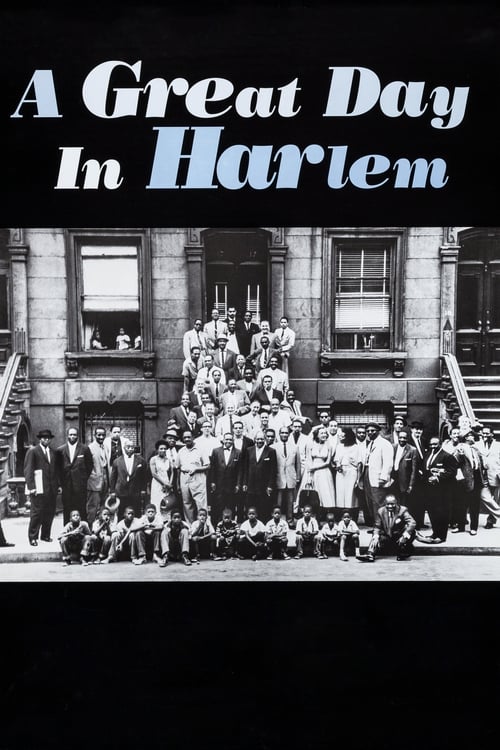
1994

1976
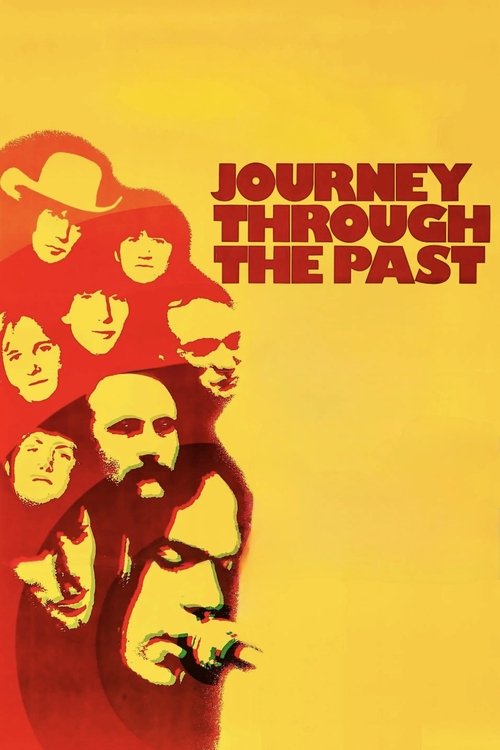
1972
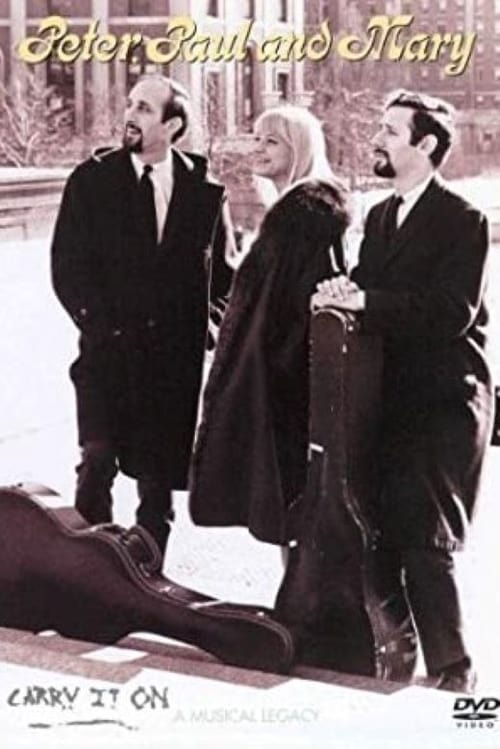
2004
No reviews yet. Be the first to share your thoughts on this movie!
Use the rating form above to leave a star rating and optional review.