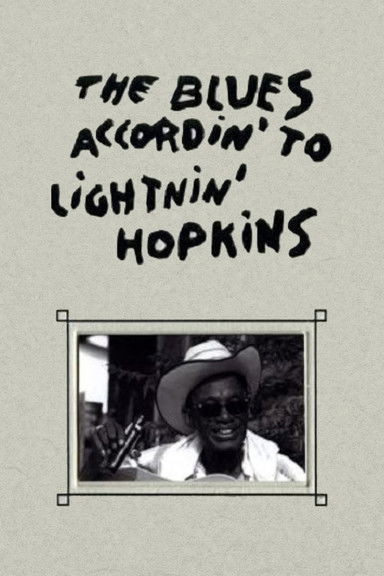
The Blues Accordin' to Lightnin' Hopkins
1968
No user ratings available yet
Representation score: 2.7 out of 10

Representation Score
Good
1976
RDirector
James Szalapski
Runtime
92 minutes
Average Rating
No ratings yetNew Showbiz Analysis
Heartworn Highways serves as a historical record of the mid-1970s country-folk and punk scenes. Using a direct-cinema approach without a central narrator, the film lets subcultural identities emerge naturally from lived experiences. By presenting women as active participants in the musical landscape, the film disrupts traditional gender hierarchies. It also offers a critique of mainstream consumer culture and traditional social structures. However, the film's geographic focus limits its racial and disability representation. It lacks the layered diversity expected in contemporary cinema, focusing instead on a specific historical context.
Category Breakdown
The film captures mid-1970s underground scenes that served as spaces where gender and sexual norms were blurred. While it doesn't have explicit queer storylines, the subcultural atmosphere supports non-traditional expressions.
Women participate actively in the musical and social spheres alongside men. They are shown as active contributors to the subcultural dialogue, not just passive observers.
The cast mirrors the demographics of the Texas, Tennessee, and Midwest subcultures during that time. It doesn't use actors from diverse backgrounds to represent the subculture.
The film critiques traditional American values by focusing on rebellious youth and their sense of alienation. It emphasizes subcultural identity over institutional ties like religion or family.
There is no prominent depiction of neurodivergence or physical disabilities. The subjects are defined by their musical affiliations rather than their relationship to disability.
Present on Screen
Limited or Absent
Official Synopsis
The music speaks for itself in this performance documentary that highlights some of the biggest names within the country-folk scene in Texas and Tennessee during the last weeks of 1975 and the first weeks of 1976, eschewing narration and staged interviews.
1968
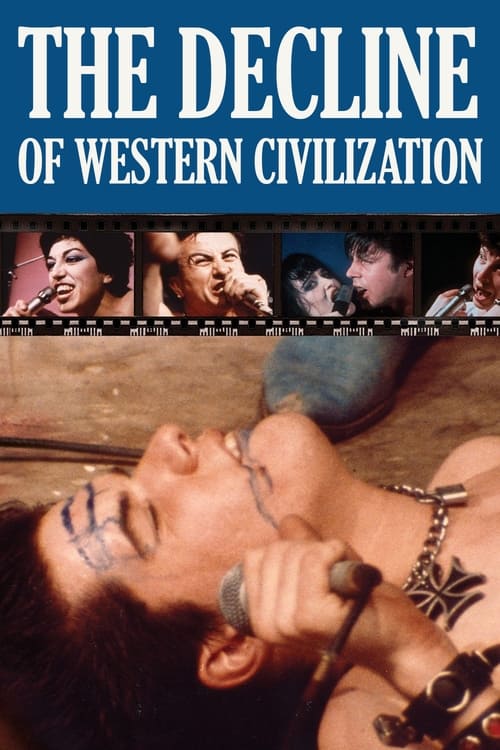
1981
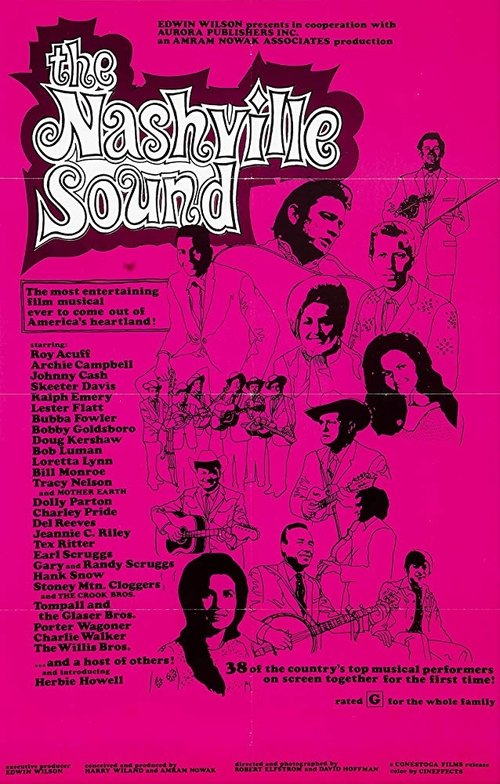
1970
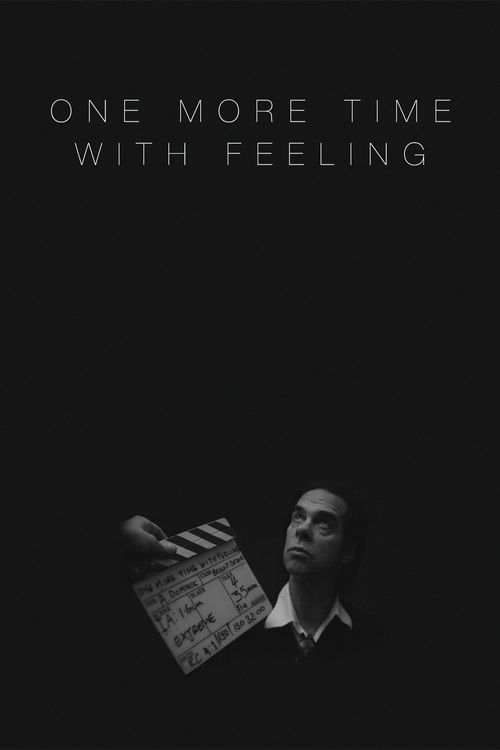
2016

1966
1978
1974
2019
No reviews yet. Be the first to share your thoughts on this movie!
Use the rating form above to leave a star rating and optional review.