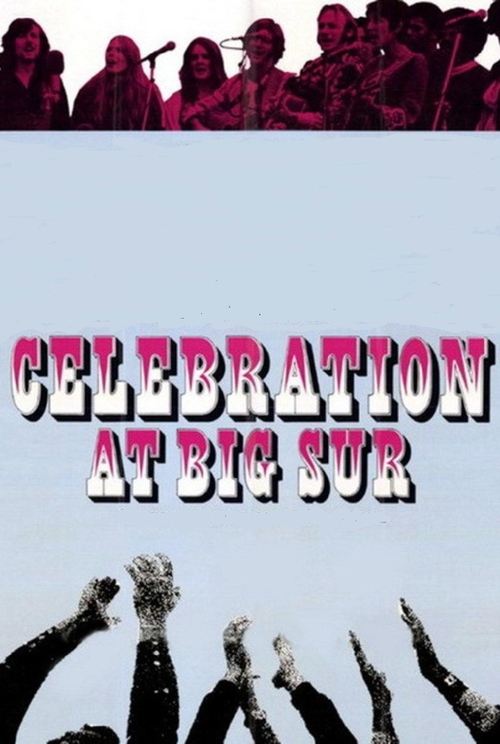
Celebration at Big Sur
1971
No user ratings available yet
Representation score: 6.3 out of 10
Representation Score
Fair
1968
NRDirector
Jack O'Connell
Runtime
87 minutes
Average Rating
No ratings yetNew Showbiz Analysis
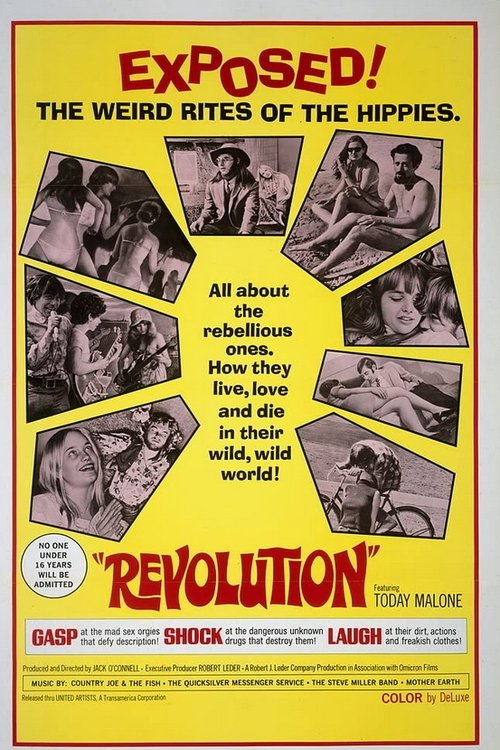
Revolution serves as a historical window into the San Francisco counterculture of 1967–1968. Its primary value lies in documenting a systemic shift toward anti-authoritarianism and the deconstruction of mid-century social norms. The documentary captures the roots of modern progressive values through its focus on communal living and the rejection of traditional capitalism. This provides a strong foundation for cultural representation. However, the film lacks specific, character-driven data regarding diverse identities. While it captures a mix of social backgrounds, the depth of individual representation for gender and race is not explicitly detailed.
Category Breakdown
The film captures the San Francisco scene during a time when queer communities began to gain more visibility. While specific character stories are not detailed, the setting reflects the early challenges to traditional social structures.
The documentary portrays an era marked by significant social change and questioning of traditional gender roles. It likely captures shifts toward more flexible gender expressions, though it may prioritize communal movements over individual gender stories.
As a record of the height of the hippie movement, the film likely captures the racial mixing present in San Francisco's counterculture. However, the specific roles and influence of non-white participants remain unconfirmed.
The film excels by documenting a movement that critiques Western institutions. It highlights anti-capitalist sentiments and the embrace of communal, non-traditional spiritualities.
There is no evidence to suggest that disability or neurodivergence serves as a central theme or documented element of this film's focus.
Present on Screen
Limited or Absent
Official Synopsis
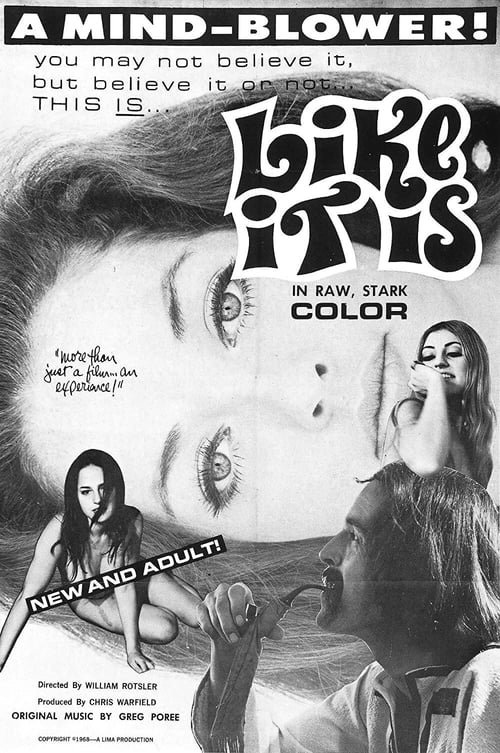
The San Francisco scene in 1967-68. Documentary about hippies shot during the height of the movement . Viewpoints from many kinds of people. Music by Steve Miller Band, Mother Earth, Quicksilver Messenger Service and others.
1971
1981

2010
1967

2012

2012
2004
1968
No reviews yet. Be the first to share your thoughts on this movie!
Use the rating form above to leave a star rating and optional review.