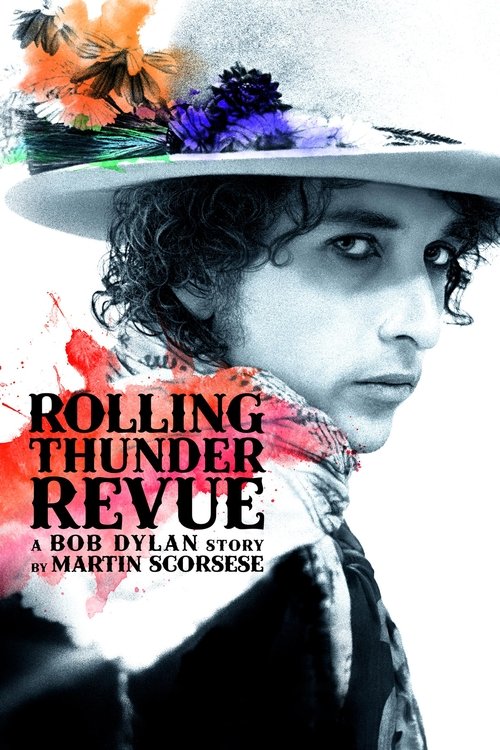
Rolling Thunder Revue: A Bob Dylan Story by Martin Scorsese
2019
No user ratings available yet
Representation score: 4.6 out of 10
Representation Score
Fair
1978
PGDirector
Martin Scorsese
Runtime
117 minutes
Average Rating
No ratings yetNew Showbiz Analysis
Martin Scorsese’s documentary transcends the standard concert film by treating its subjects as complex individuals rather than mere icons. The film's greatest strength lies in its ability to bridge disparate musical traditions, specifically through the integration of Black blues and R&B influences into the rock narrative. By providing significant performance opportunities to women like Joni Mitchell, the film challenges the male-dominated expectations of the era. This focus on individual mastery over gendered hierarchies creates a more inclusive atmosphere than many of its contemporaries. However, the film remains largely centered on the Western musical canon and lacks explicit LGBTQ+ narratives. While it avoids a monolithic view of culture, it does not actively challenge Western institutions or provide representation for disabilities.
Category Breakdown
The film focuses on musical performance rather than LGBTQ+ narratives. While it lacks explicit LGBTQ+ storylines or same-sex intimacy, the performance-based environment avoids rigid assumptions about straight relationships.
The documentary disrupts the typical 1970s rock 'boys' club' cliché. By giving significant stage time to artists like Joni Mitchell, it allows female performers to command the space with artistic authority.
The film highlights the symbiotic relationship between Black R&B and White Rock traditions. The inclusion of Muddy Waters and Black session musicians celebrates the control and influence of Black artists within the rock canon.
The film presents a pluralistic view of Americana and roots music. It avoids monolithic cultural portrayals by focusing on the communal experience of art rather than specific religious or political dogmas.
There are no prominent depictions of visible or invisible disabilities that serve as character-defining elements within the film.
Present on Screen
Limited or Absent
Official Synopsis
Martin Scorsese's documentary intertwines footage from The Band's incredible farewell tour with probing backstage interviews and featured performances by Bob Dylan, Joni Mitchell, Van Morrison, Eric Clapton, and other rock legends.
2019
2011
2008
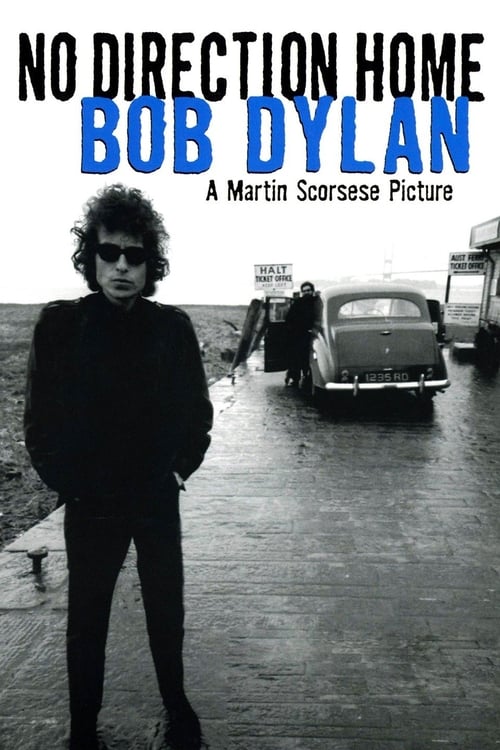
2005
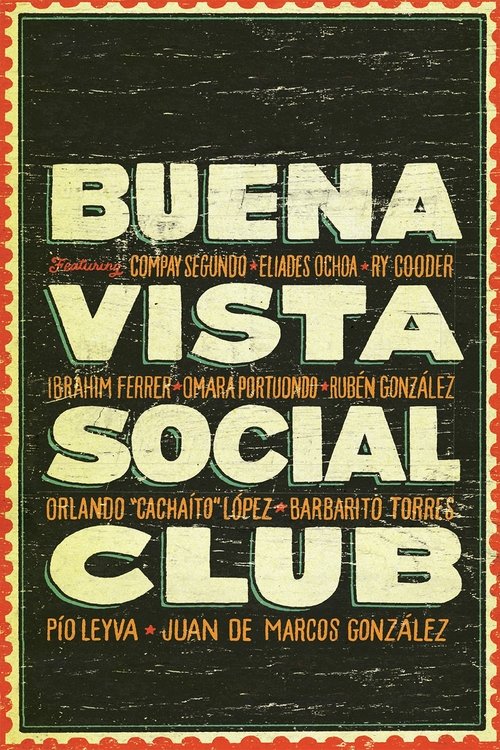
1999
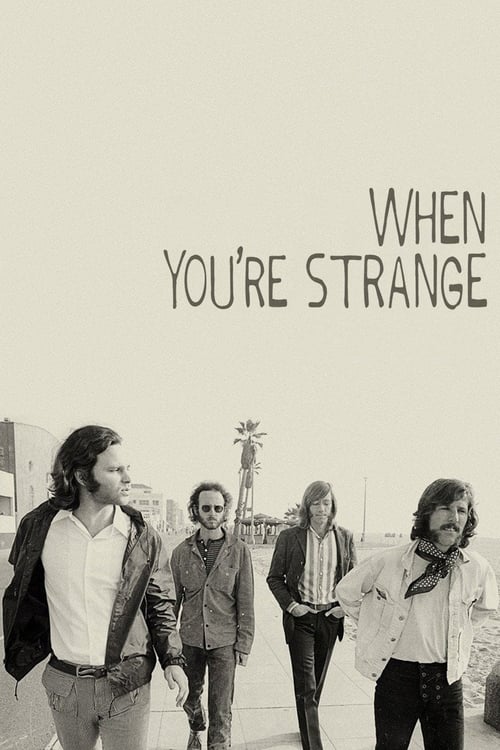
2010
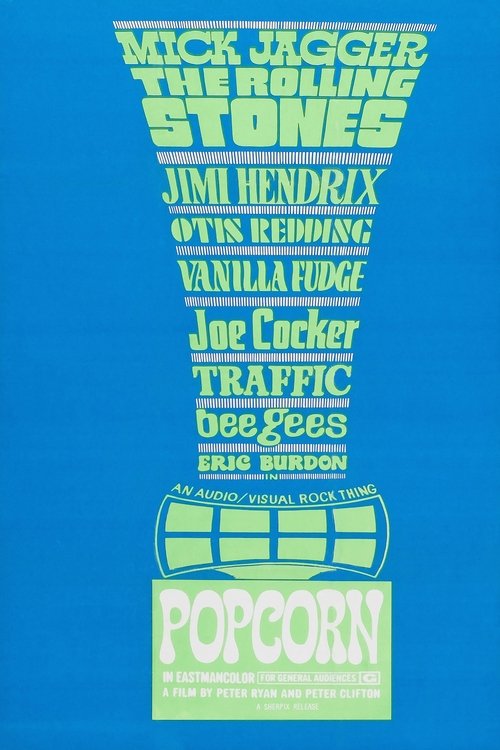
1969
2016
No reviews yet. Be the first to share your thoughts on this movie!
Use the rating form above to leave a star rating and optional review.