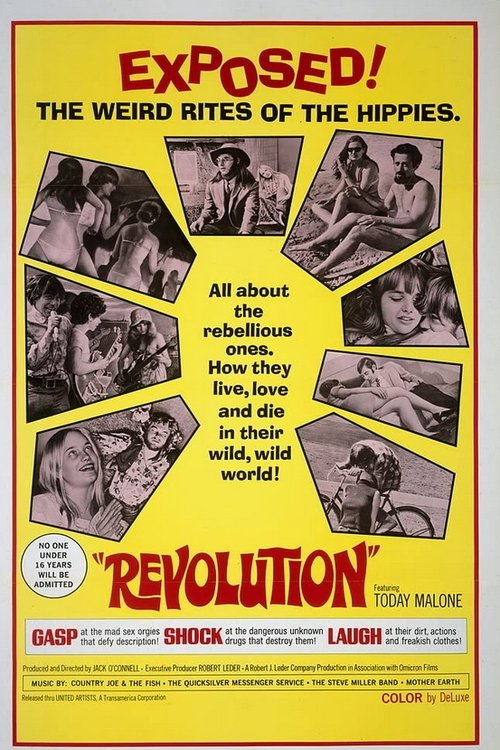
Revolution
1968
No user ratings available yet
Representation score: 5.8 out of 10

Representation Score
Good
2010
Director
Renato Terra, Ricardo Calil
Runtime
85 minutes
Average Rating
No ratings yetNew Showbiz Analysis
A Night in 67 serves as a vital cinematic record of a transformative period in Brazilian history. It centers a localized cultural movement, showcasing how art can serve as a tool for social critique and ability to act. The film's strength lies in its ability to document the intersection of creative expression and political volatility. By focusing on the 1967 festival, it captures a unique moment of cultural autonomy that challenges established hierarchies. While the documentary provides deep insights into racial and cultural identity, it offers less visibility regarding specific gender dynamics and LGBTQ+ identities. The focus remains primarily on the broader sociopolitical atmosphere of the music scene.
Category Breakdown
The film captures the emerging cultural shifts of the late 1960s, where non-traditional expressions began to surface in artistic subcultures. Although it doesn't explicitly depict queer identities, it reflects the era's evolving attitudes.
Female artists are portrayed as active participants in a competitive music industry, while the film also highlights the male-dominated structures of the time. These structures underscore the gender hierarchies prevalent in the 1960s.
The documentary shines by focusing on Brazilian artists who used music to navigate systemic pressures. It presents a rich, diverse tapestry of identity that moves away from Western-centric norms.
The narrative emphasizes the tension between traditional authority and social critique. It portrays the music festival as a crucial site of resistance against a restrictive military regime.
There is no significant evidence regarding the portrayal of disability within the film's historical and musical focus.
Present on Screen
Limited or Absent
Official Synopsis
In the 1970s, "festivals" were incredibly popular in Brazil, as they were recorded before a live studio audience, and usually featured a number of elimination rounds. They also formed the springboard for the career of many a big-name stars, such as Chico Buarque, Caetano Veloso, Roberto Carlos and Gilberto Gil. Appearing on such a program was no cakewalk, however: audiences could be as wild in their condemnation as in their appreciation of an artist. Extensive archive footage (including performances and behind-the-scenes interviews) from the turbulent final evening of the Festival of Brazilian Popular Music 1967 paints a fascinating picture, not only of the transformation of Brazilian music into real "festival" music, but also of a society starting to buck against the yoke of military rule.
1968
1971
2012
2019

2012
1994
1977
1981
No reviews yet. Be the first to share your thoughts on this movie!
Use the rating form above to leave a star rating and optional review.