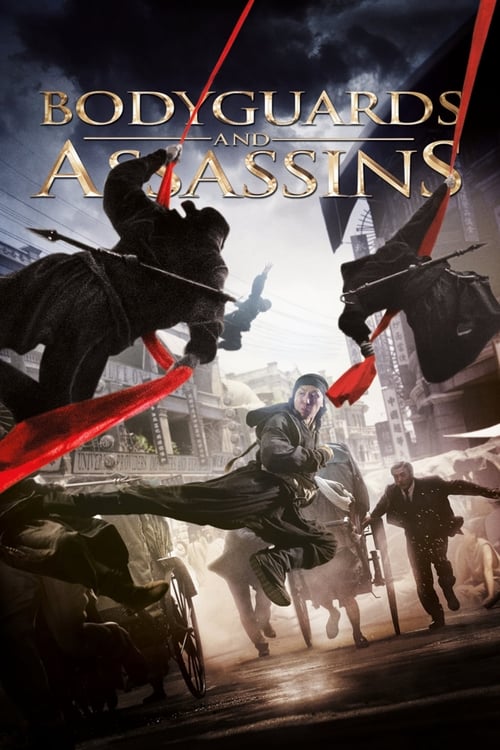
Bodyguards and Assassins
2009
No user ratings available yet
Representation score: 4.7 out of 10
Representation Score
Fair
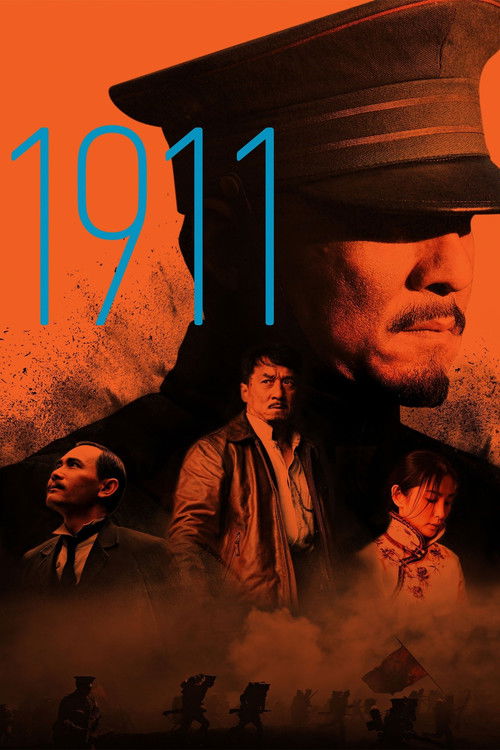
2011
RDirector
Zhang Li, Jackie Chan, Tang Guoqiang, Tao Hai
Runtime
99 minutes
Average Rating
No ratings yetNew Showbiz Analysis
1911 is a nationalist historical epic that challenges Western-centric views of history. By focusing on the Chinese experience during the transition to republican governance, the film offers a powerful, non-Western perspective on sovereignty and political change. However, the film adheres to traditional social hierarchies, where male figures dominate the narrative. Female characters are relegated to secondary roles, limiting the film's exploration of gender issues. Additionally, there is no representation of LGBTQ+ identities or disabilities, which narrows the film's social scope.
Category Breakdown
The film focuses solely on the political and military aspects of the Xinhai Revolution. There is no representation of LGBTQ+ identities or same-sex relationships.
The narrative emphasizes male-dominated military and political spheres. Female characters play supporting roles to the main male protagonists.
The film explores Chinese identity and sovereignty during the transition to republican governance. It challenges the Western-centric historical perspective by focusing on the Chinese experience.
The narrative centers on anti-imperialist and anti-monarchical themes. It depicts the fall of the Qing Dynasty as essential for national self-determination and systemic change.
Characters are defined by their roles in the revolutionary movement. There is no significant focus on disabilities or neurodivergence within the plot.
Present on Screen
Limited or Absent
Official Synopsis
China's first President Sun Yat-Sen and military commander Huang Xing lead the revolutionary Wuchang Uprising in a bid to put an end to the reign of the Qing Dynasty.
2009

2007
1986

2007

2012

2011

2002
2011
No reviews yet. Be the first to share your thoughts on this movie!
Use the rating form above to leave a star rating and optional review.