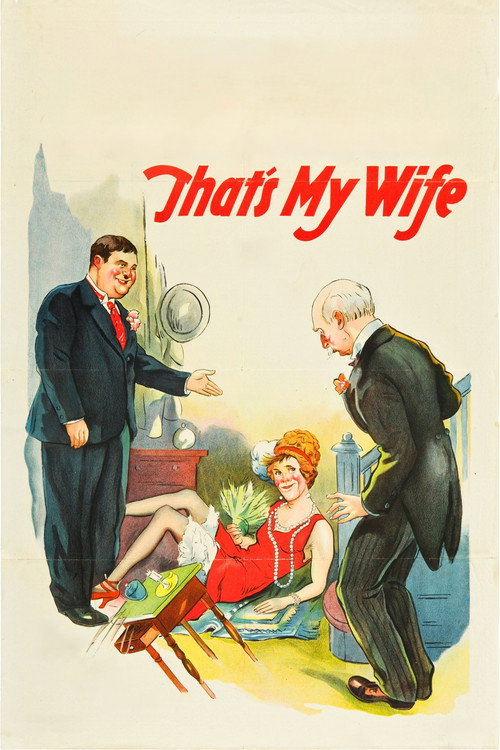
That's My Wife
1929
No user ratings available yet
Representation score: 1.2 out of 10
No Poster Available
Representation Score
Limited
1926
PassedDirector
Frank R. Strayer
Runtime
57 minutes
Average Rating
No ratings yetNew Showbiz Analysis
This 1926 comedy relies on situational farce and mistaken identity to drive its plot. The humor stems from characters performing different social roles to gain class acceptance, specifically through cross-dressing and class mimicry. While the film touches on the fluidity of presentation, it does so through established clichés rather than a systemic critique. The narrative structure prioritizes the comedic friction of deception over any meaningful disruption of social or gender norms. Ultimately, the film functions as a traditional period piece. It centers on the desire for familial approval and wealth, reinforcing the very social hierarchies it temporarily mocks.
Category Breakdown
The film uses cross-dressing as a central comedic device. This cliché serves as a joke rather than a meaningful exploration of LGBTQ identity or experiences.
Characters adopt different personas to navigate social hierarchies. While gender roles are temporarily challenged, the plot remains focused on impressing a patriarchal figure.
The narrative focuses on socioeconomic mobility within a likely homogeneous setting. There is no evidence of non-white or diverse ethnic casting in the documentation.
The story reinforces traditional Western social hierarchies and the pursuit of status. It validates existing class structures through a narrative of mimicking the wealthy.
No characters with physical, sensory, or neurodivergent traits are identified in the available context.
Present on Screen
Limited or Absent
Official Synopsis
Mistaken identity and female impersonation take place when indigents Billy Winthrop (George K. Arthur) and Ethel Winthrop (Dorothy Reviere) rent a fashionable apartment for a few days in order to impress rich uncle Hiram (Tom Ricketts.) Complications and misunderstanding arise.
1929
1926
1926

1921
1918
1936
1927

1916
No reviews yet. Be the first to share your thoughts on this movie!
Use the rating form above to leave a star rating and optional review.