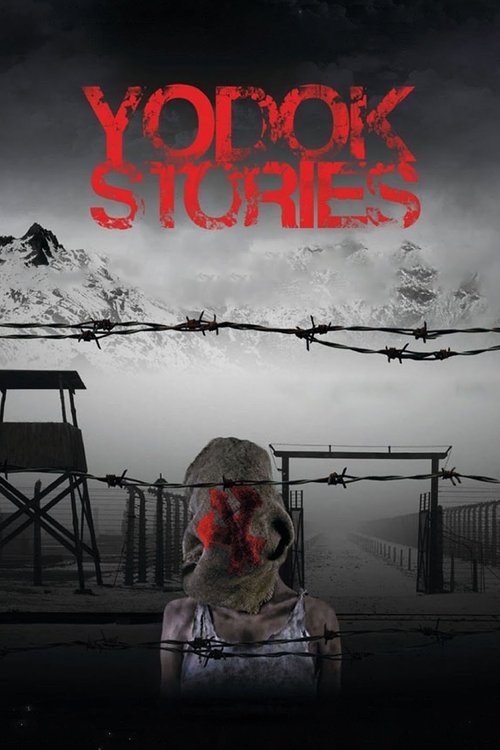
Yodok Stories
2008
No user ratings available yet
Representation score: 6.4 out of 10
Representation Score
Fair
2012
Director
Marc Wiese
Runtime
104 minutes
Average Rating
No ratings yetNew Showbiz Analysis
The film provides a vivid look at the dehumanization inherent in the North Korean prison camp system. It succeeds by centering the lived experiences of political prisoners, offering a rare perspective on a highly underrepresented population. While the cast is ethnically uniform, the documentary offers a profound cultural critique by documenting the systematic erasure of family and religious structures. It effectively uses personal testimony to challenge state-sanctioned history. However, the film lacks LGBTQ+ representation and focuses on a specific ethnic group, which limits its multi-layered breadth.
Category Breakdown
The documentary does not include any LGBTQ+ characters or stories that challenge the assumption that everyone is straight or cisgender.
The film shows how starvation and forced labor make traditional gender roles irrelevant. It highlights specific gender-based abuses, such as sexual violence, within the camp's power dynamics.
The subjects are ethnically uniform, focusing on the North Korean experience. The film gives significant voice to a underrepresented group often left out of global discussions.
The film shows the total suppression of religion and the destruction of the family unit. It critiques state-driven collectivism and the replacement of parental authority with terror.
The narrative depicts the physical toll of chronic malnutrition and torture. These disabilities are shown as direct results of state-sponsored violence, rather than for inspirational purposes.
Present on Screen
Limited or Absent
Official Synopsis
Shin Dong-Huyk was born on November 19, 1983 as a political prisoner in a North Korean re-education camp. He was a child of two prisoners who had been married by order of the wardens. He spent his entire childhood and youth in Camp 14, in fact a death camp. He was forced to labor since he was six years old and suffered from hunger, beatings and torture, always at the mercy of the wardens. He knew nothing about the world outside the barbed-wire fences. At the age of 23, with the help of an older prisoner, he managed to escape. For months he traveled through North Korea and China and finally to South Korea, where he encountered a world completely strange to him.
2008
2020
2001
2015
2009

2011
2004

2006
No reviews yet. Be the first to share your thoughts on this movie!
Use the rating form above to leave a star rating and optional review.