
The Last Supper
2012
No user ratings available yet
Representation score: 7.4 out of 10
Representation Score
Fair
2007
Director
Feng Xiaogang
Runtime
123 minutes
Average Rating
No ratings yetNew Showbiz Analysis
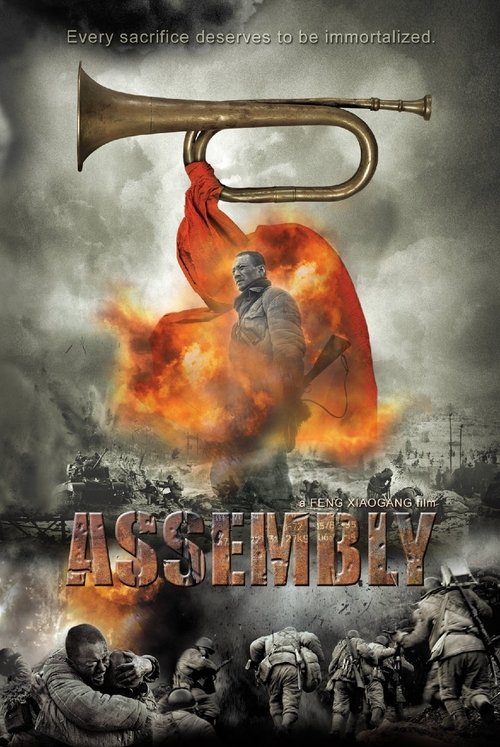
Assembly is a work of historical realism that prioritizes the collective experience of a national revolution over individual identity politics. It focuses on the systemic changes during the Chinese Civil War rather than personal subversion. While the film scores low on Western metrics of LGBTQ+ and gender diversity, it excels in cultural representation. It effectively frames the deconstruction of old social orders and the emergence of a new state. The film's depth comes from its exploration of class and regional identity within a homogeneous society, providing a localized perspective on social reorganization.
Category Breakdown
The film follows the heterosexual and cisgender norms of the mid-20th century. There is no depiction of same-sex relationships or non-cisgender identities among the military personnel.
The story centers around traditional masculinity and male soldiers. Women are shown dealing with the hardships of war, but their roles are mainly defined by their relationships to men.
As a domestic production, the cast is culturally uniform. However, it offers a nuanced look at internal Chinese socioeconomic and regional differences instead of Western ideas of racial diversity.
The film presents a sophisticated view of the shift from the Nationalist era to the People's Republic. It highlights collective history and the dismantling of old social hierarchies.
War injuries are portrayed as signs of the physical toll of conflict. These depictions focus on collective trauma rather than characters with disabilities having independent roles.
Present on Screen
Limited or Absent
Official Synopsis
Follows a soldier trying to gain recognition for comrades who died in 1948, at a turning point in the civil war between the communists and the nationalist forces of the Kuomintang.
2012

2009
2011

2020
2011
2021

2020

2002
No reviews yet. Be the first to share your thoughts on this movie!
Use the rating form above to leave a star rating and optional review.