Eight Hundred Heroes
1975
No user ratings available yet
Representation score: 2.1 out of 10
Representation Score
Fair
1956
Director
Shan Lin, Meng Sha
Runtime
123 minutes
Average Rating
No ratings yetNew Showbiz Analysis
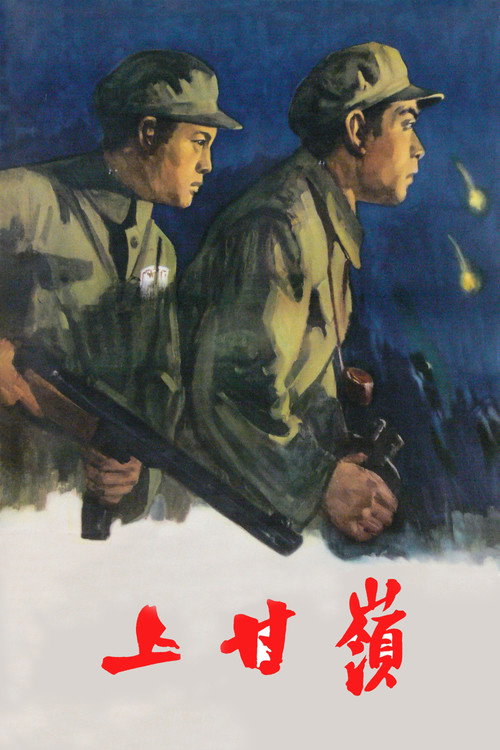
Battle on Shangganling Mountain is a foundational film in revolutionary cinema that prioritizes ideological purity and collective identity. It effectively critiques Western hegemony and capitalist military intervention, presenting a clear anti-imperialist stance. However, the film adheres to a traditional, patriarchal military hierarchy and a homogeneous cast, limiting its representation of diverse human experiences. It favors collective heroism over individualist or multi-layered perspectives. Overall, the film serves as a tool for state-aligned storytelling, emphasizing collective resistance over individual stories.
Category Breakdown
There are no LGBTQ+ characters or representations of non-straight relationships in the film. The story focuses solely on the traditional military unit structure of the People's Volunteer Army.
The narrative emphasizes traditional masculine roles in combat and leadership. Women appear in supporting roles but do not play a significant role in driving the main military plot.
The film features an ethnically homogeneous Chinese cast that aligns with the historical context of the Korean War. It highlights a unified national identity to support themes of collective resistance.
The film provides a strong critique of Western dominance and capitalist military intervention. It promotes a secular, revolutionary ideology, emphasizing the importance of duty to the state.
Disability is used to highlight the physical toll of war, emphasizing the brutality of conflict and the resilience of the revolutionary spirit.
Present on Screen
Limited or Absent
Official Synopsis
The film follows a group of Chinese People's Volunteer Army soldiers who are holding Triangle Hill for several days against US forces. Short of both food and water, they hold their ground until the relief troops arrive. The movie portray the battle as a Chinese victory over an American invasion, and the People's Volunteer Army soldiers were shown as Chinese war heroes."
1975
1961
1956
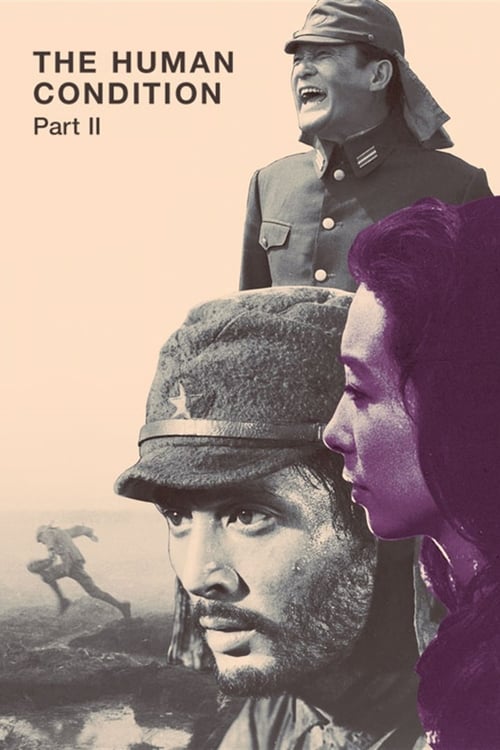
1959
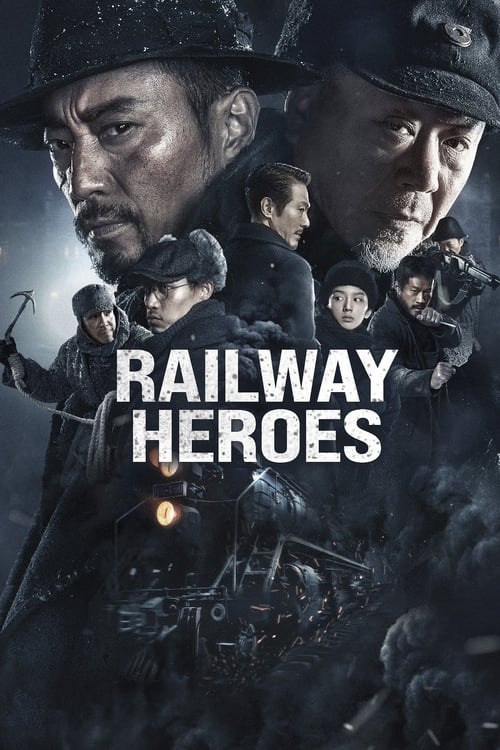
2021
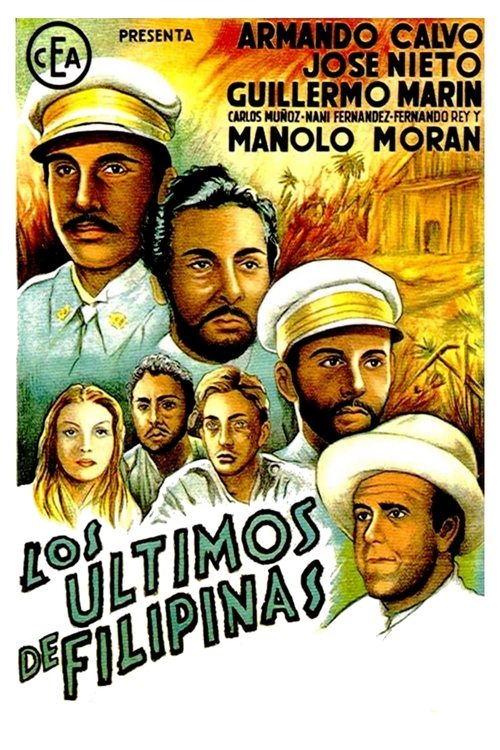
1945
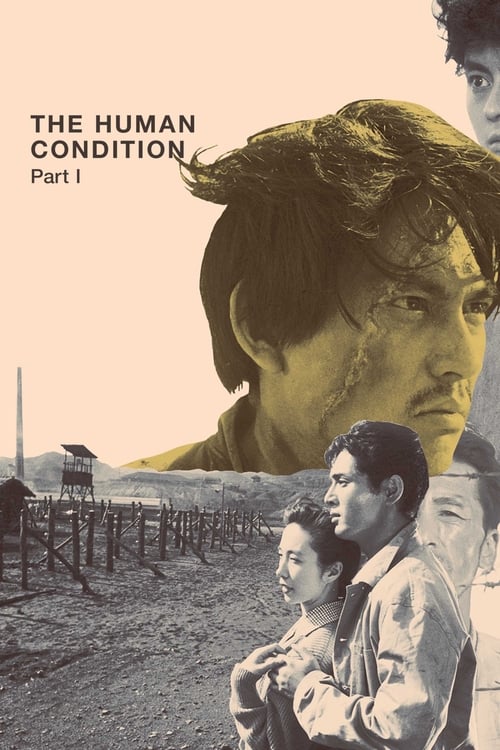
1959

2016
No reviews yet. Be the first to share your thoughts on this movie!
Use the rating form above to leave a star rating and optional review.