
The Hundred Regiments Offensive
2015
No user ratings available yet
Representation score: 4.8 out of 10
Representation Score
Fair
1983
Director
Gu Dexian, Jiwei Cai
Runtime
156 minutes
Average Rating
No ratings yetNew Showbiz Analysis
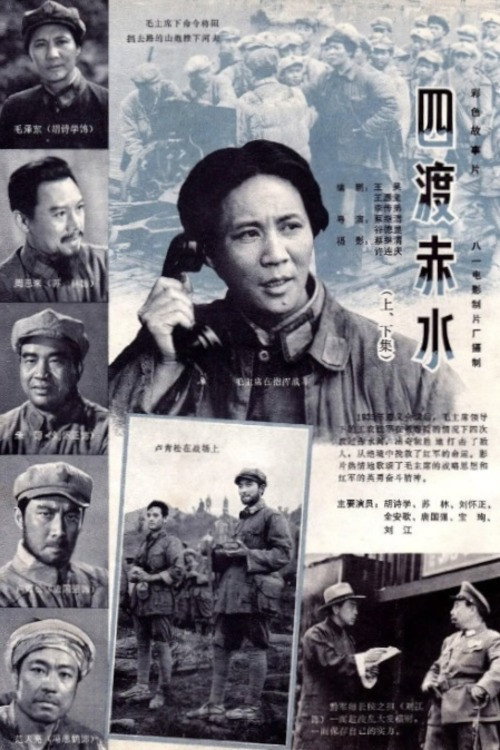
Crossing the Red Water Four Times is a period-specific historical epic that prioritizes nationalistic and ideological storytelling. The film focuses on the collective struggle of the Red Army, emphasizing military hierarchy and masculine leadership over individual identity politics. While the film successfully presents a culturally specific narrative that challenges existing social hierarchies, it lacks demographic diversity. The focus remains on systemic upheaval and revolutionary necessity rather than multifaceted representation. Ultimately, the work reflects the cinematic conventions of its era, prioritizing the historical accuracy of the Long March over modern standards of inclusive representation.
Category Breakdown
The film doesn't include any LGBTQ+ characters or stories. It follows the straight-centered social structures of the 1930s and the filmmaking traditions of 1983.
The story centers on male military leaders and their strategic roles. It reinforces traditional gender roles found in mid-century war movies.
The cast is made up of actors from similar ethnic backgrounds, reflecting the film's focus on Chinese history. It avoids Western-centric racial clichés but doesn't feature contemporary diverse casting.
The story critiques established power structures by framing the struggle through revolutionary necessity. It prioritizes collective ideology over individualist or Western-centric frameworks.
There are no characters with disabilities playing central roles. Physical trauma is used mainly as a device for martyrdom.
Present on Screen
Limited or Absent
Official Synopsis
The Red Army and Nationalist forces battle over the Chishui River in 1935.
2015

2020
1991
2007
1991

1992

1962
2015
No reviews yet. Be the first to share your thoughts on this movie!
Use the rating form above to leave a star rating and optional review.