Wreaths at the Foot of the Mountain
1984
No user ratings available yet
Representation score: 3.9 out of 10
Representation Score
Fair
1971
Director
Wenzhan Pan, Fu Jie
Runtime
105 minutes
Average Rating
No ratings yetNew Showbiz Analysis
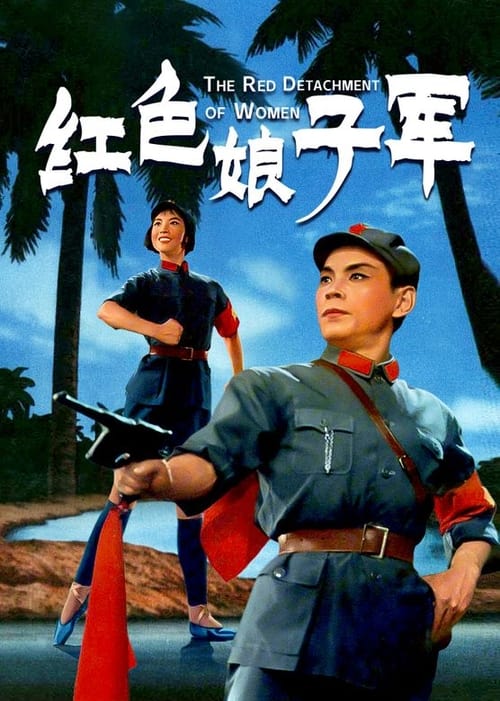
The Red Detachment of Women is a powerful study in the deconstruction of traditional social hierarchies. By framing the patriarchal family and landlord class as oppressive systems, the work provides a profound critique of feudal structures through a lens of revolutionary ability to act. While the film excels in portraying female empowerment and class-based struggle, it lacks representation for LGBTQ+ identities and individuals with disabilities. The narrative is strictly focused on the collective revolutionary mission and physical labor. Ultimately, the film's strength lies in its aggressive challenge to traditional gender roles and its commitment to portraying the empowerment of the oppressed peasantry.
Category Breakdown
The film operates within a strictly heterosexual and cisgender framework, focusing entirely on revolutionary bonds and class struggle without addressing non-binary or transgender identities.
The film centers on the radical subversion of traditional gender hierarchies. It depicts a protagonist's transition from domestic servitude to a leading role as a soldier within a female-led military collective.
Casting is homogeneous, reflecting the specific ethnic reality of the setting. The work focuses on the lived experience of the Chinese peasantry.
The film critiques feudalism and landlordism, portraying traditional family units as oppressive. It prioritizes collective struggle and the dismantling of established class hierarchies as a moral necessity.
There is no discernible focus on visible or invisible disabilities. Characters are defined primarily by their class status and their capacity for revolutionary physical labor.
Present on Screen
Limited or Absent
Official Synopsis
A filmed 1970 performance of the China Central Ballet Troupe. Adapted from the film of the same title, The Red Detachment of Women was first staged in Beijing in 1964 and was one of the Eight Model Operas which dominated the national stage during the Cultural Revolution.
1984
1988
1955
2020

1961
2022
1967
1969
No reviews yet. Be the first to share your thoughts on this movie!
Use the rating form above to leave a star rating and optional review.