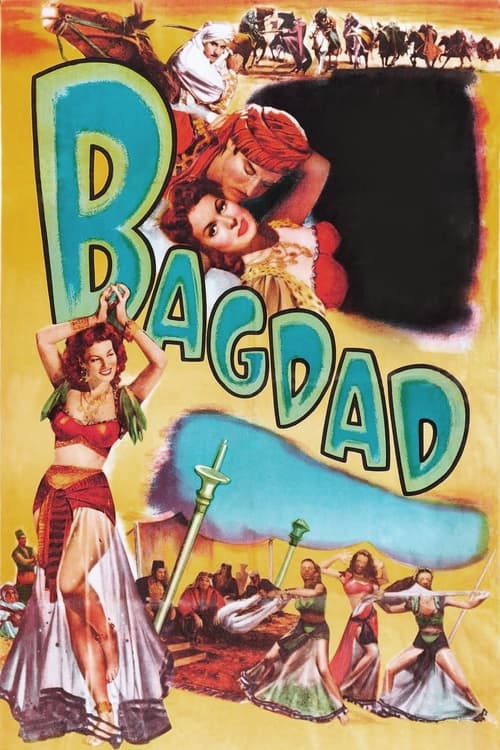
Bagdad
1949
No user ratings available yet
Representation score: 0.7 out of 10

Representation Score
Limited
1951
NRDirector
Charles Lamont
Runtime
78 minutes
Average Rating
No ratings yetNew Showbiz Analysis
Flame of Araby is a product of 1950s studio filmmaking, focusing on genre-driven adventure rather than social complexity. While it moves away from Anglo-Saxon settings, it does so through a lens of exoticism rather than authentic cultural representation. The film adheres to the period's standard social hierarchies. The central conflict between a princess and a chief follows predictable romantic and power-based clichés, offering little disruption to established cinematic norms. Ultimately, the film functions as a traditional adventure. It lacks the layered depth or challenges to established norms necessary to move beyond the era's typical approach to non-Western settings.
Category Breakdown
The film doesn't include any non-straight or non-cisgender identities or same-sex relationships. It sticks to traditional romance stories common in the Arabian Nights genre.
A princess and a Bedouin chief lead the story, but the film follows older gender roles. Female characters often push male characters into action.
The setting includes Middle Eastern characters, providing ethnic visibility. However, the film uses a stylized depiction of Middle Eastern culture rather than a nuanced portrayal.
The story follows a traditionalist approach focused on power and ownership. It doesn't question institutions or offer perspectives that challenge Western views of exotic places.
There are no characters with physical or neurodivergent disabilities mentioned in the story.
Present on Screen
Limited or Absent
Official Synopsis
An Arabian-nights princess and a Bedouin chief contend over possession of a stallion, but unite to oppose the Corsair Lords.
1949
1959
1942
1924
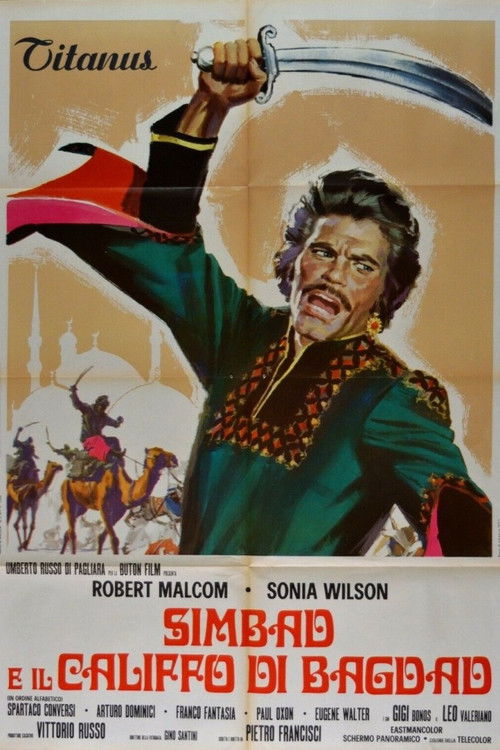
1973
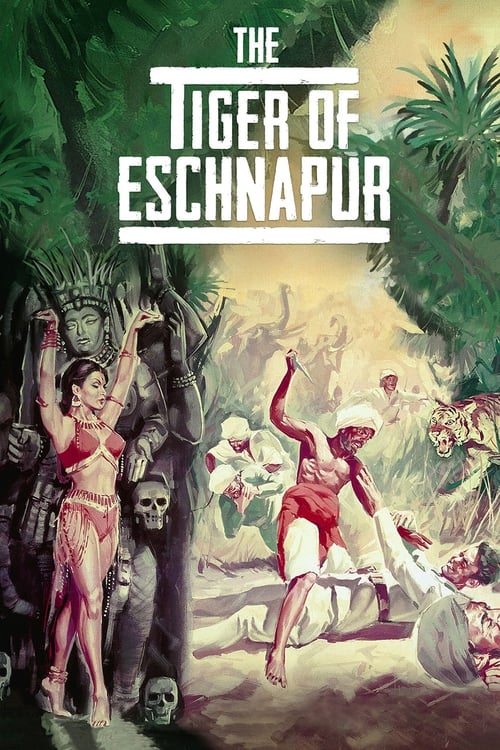
1959
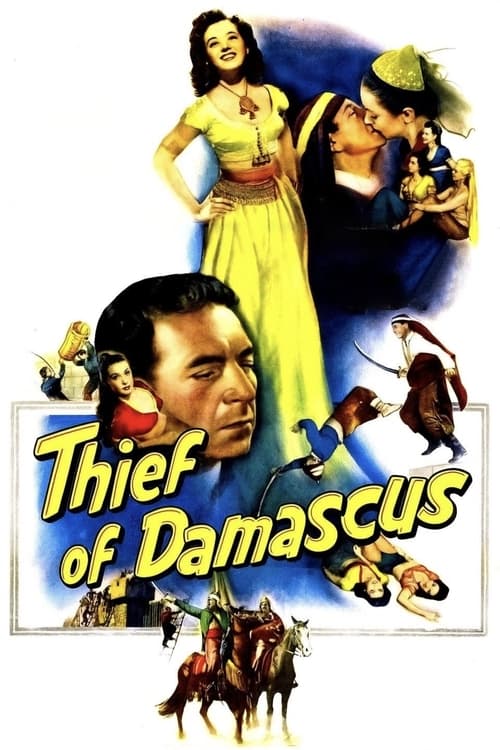
1952
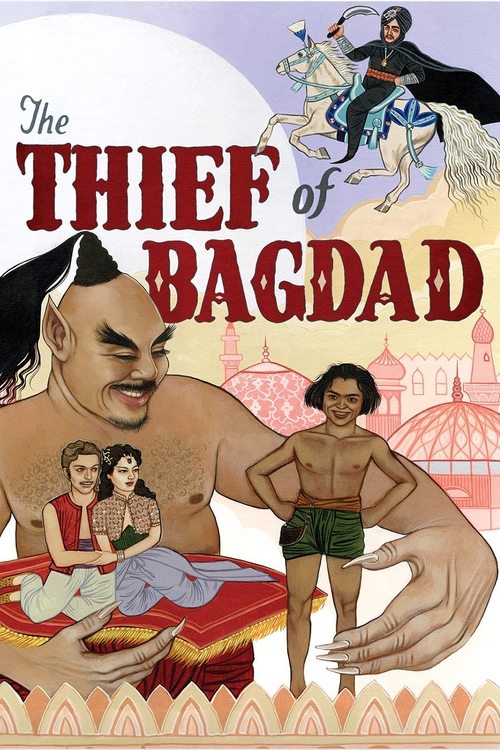
1940
No reviews yet. Be the first to share your thoughts on this movie!
Use the rating form above to leave a star rating and optional review.