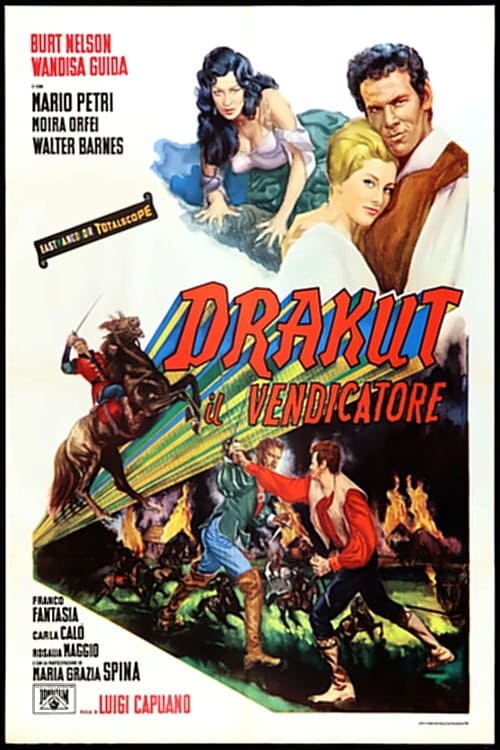
Drakut the Avenger
1961
No user ratings available yet
Representation score: 2.8 out of 10
Representation Score
Limited
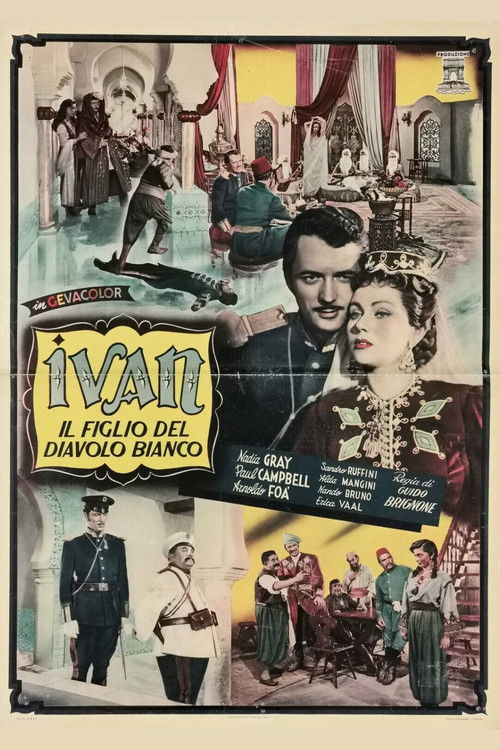
1953
12Director
Guido Brignone
Average Rating
No ratings yetNew Showbiz Analysis
This 1953 adventure film functions as a conventional product of its era, leaning heavily on established social hierarchies and traditional archetypes. The narrative structure prioritizes mid-century moral dichotomies over nuanced complexity. Because the film follows standard genre clichés, it lacks the disruption of conventional expectations necessary for a progressive score. It reinforces the status quo rather than challenging it. Ultimately, the work serves as a reflection of mid-century mainstream cinema, where ability to act is largely reserved for traditional heroic figures.
Category Breakdown
The film likely adheres to the assumption that everyone is straight or cisgender. There is no evidence of characters with diverse gender identities or critiques of traditional social structures.
Male characters likely play a significant role in driving the story. Female characters appear to occupy supporting or decorative roles rather than demonstrating intellectual or leadership qualities.
The narrative likely reflects a Eurocentric perspective common in mid-century European cinema. Any diverse locales are likely viewed through a colonial lens rather than offering nuanced, actively leading portrayals.
The story reinforces traditional Western values and clear moral binaries. It lacks any deconstruction of Western institutions or promotion of moral relativism.
Physical impairments are likely used as plot devices to signify weakness or villainy. The film lacks portrayals of neurodivergent complexity or character's ability to drive the story regarding disability.
Present on Screen
Limited or Absent
1961

1957
1942
1950
1974

1964

1949
1960
No reviews yet. Be the first to share your thoughts on this movie!
Use the rating form above to leave a star rating and optional review.