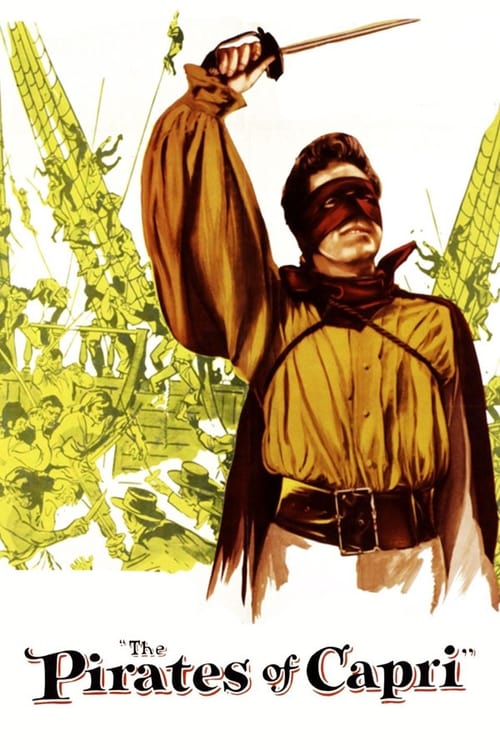
The Pirates of Capri
1949
No user ratings available yet
Diversity score: 3.0 out of 10

1967
MDirector
Vincent Sherman
Runtime
94 minutes
Average Rating
No ratings yetSynopsis
This epic Spanish biopic chronicles the life of Cervantes, Spain's great novelist, playwright and poet, during the 16th-century, when as a young man he goes to Italy to become a soldier for the Pope. Later he helps the Pope's emissary wage war against the Spanish Moors. His exploits win him great favor. He falls in love with a famous Italian courtesan and she with him. Unfortunately, the Pope splits them apart with his newest decree which demands that all prostitutes leave the city. Upset, Cervantes goes to fight in the famed sea battle of Lepanto and comes back a hero. Later he is captured by Barbary pirates and ransomed by Trinitarian friars.
Overall Score
Limited
Category Breakdown
LGBTQ+ Representation
The film focuses on a heterosexual romance between Cervantes and an Italian courtesan. There is no evidence of same-sex intimacy or non-cisnormative identities.
Gender Representation
Male heroism drives the plot through military and literary achievements. While a prominent female courtesan exists, her agency is tied to the protagonist and patriarchal decrees.
Racial & Ethnic Diversity
The story involves conflicts between the Spanish and the Moors. However, the narrative remains centered on the European protagonist's journey through these ethnic intersections.
Religious & Cultural Diversity
The Church acts as a central governing force rather than a subject of critique. The plot follows traditional paths of service to established religious and state powers.
Disability Representation
The narrative contains no mention of visible or invisible disabilities within the character arcs.
Strengths
Areas for Improvement
AI Analysis
This biopic follows a conventional 1960s adventure structure, prioritizing a singular heroic journey. It relies on traditional romantic arcs and historical tropes rather than subverting social hierarchies. The film engages with diverse historical settings, such as the conflict with the Moors, but views these through a Eurocentric lens. It reinforces established power structures like the Papacy and the Spanish state. Ultimately, the film functions as a standard historical epic. It lacks intersectional agency, focusing instead on the protagonist's personal exploits and traditional masculine heroism.
1949
1962
1962
1947
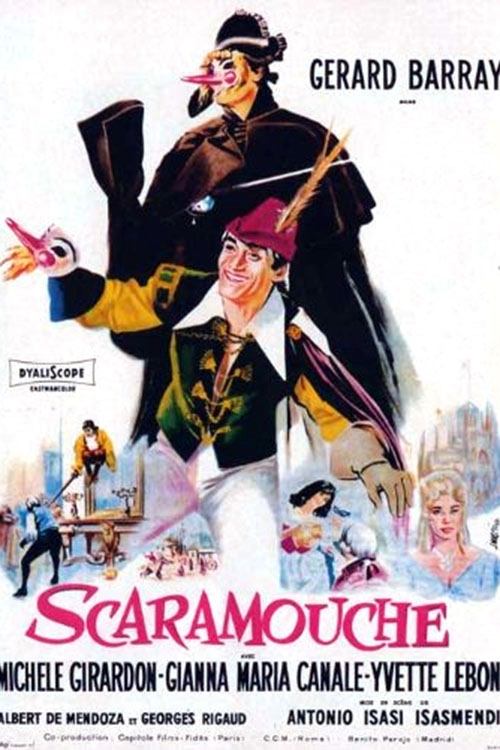
1963
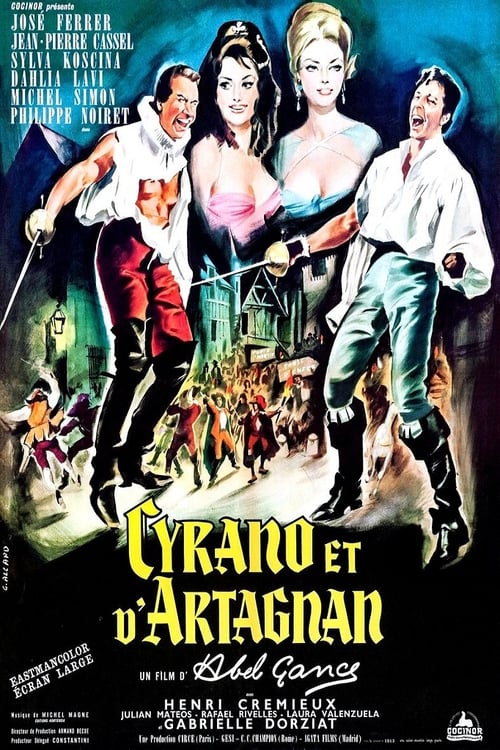
1964

2006
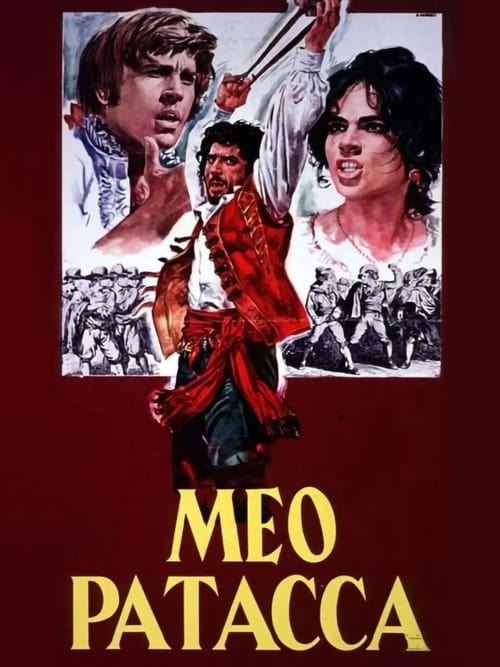
1972

2011
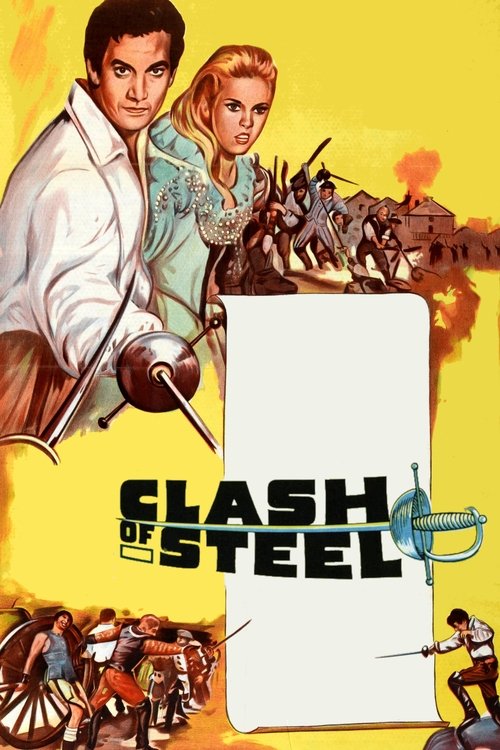
1962
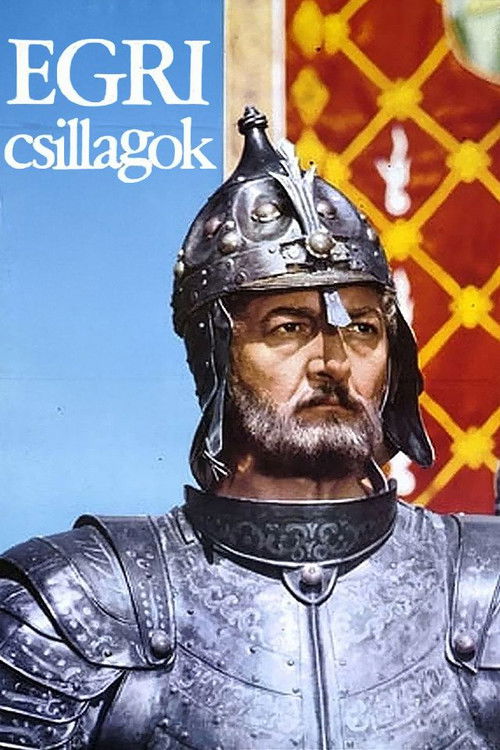
1968
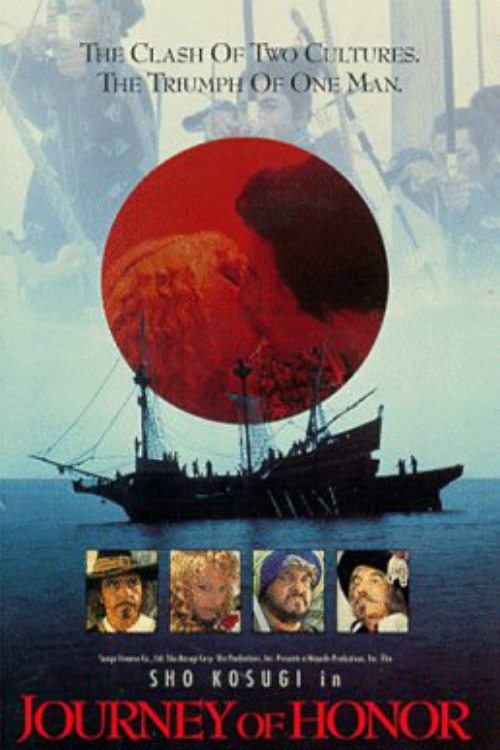
1991
No reviews yet. Be the first to share your thoughts on this movie!
Use the rating form above to leave a star rating and optional review.