Heartbeat
1983
No user ratings available yet
Representation score: 4.0 out of 10
Representation Score
Limited
1988
Not RatedDirector
Paul Naschy
Runtime
97 minutes
Average Rating
No ratings yetNew Showbiz Analysis
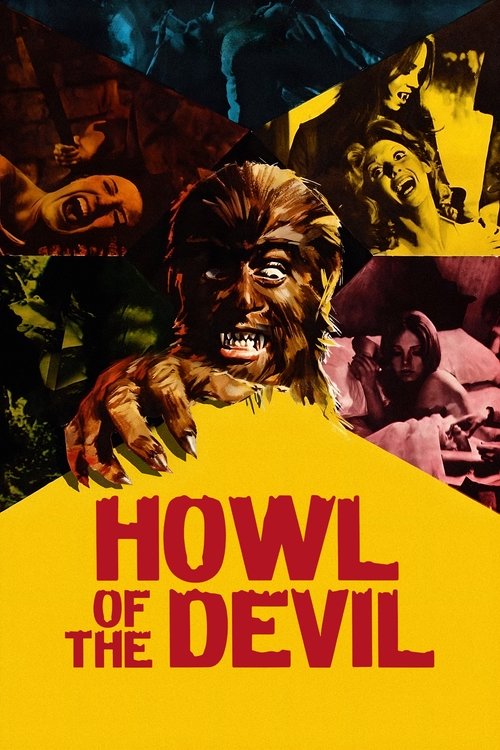
The Howl of the Devil operates within the traditional boundaries of late-80s European horror. It relies on established genre archetypes and psychological conflict rather than social subversion. The narrative structure centers on male-driven plots, including obsession and predatory behavior. This limits the ability to act of female characters and avoids exploring diverse identities. Ultimately, the film functions as a standard genre piece. It prioritizes macabre clichés and individual trauma over characters who reflect more than one aspect of diversity or the inclusion of underrepresented groups.
Category Breakdown
The film does not include any explicit LGBTQ+ characters or narratives. The plot revolves around heterosexual relationships, such as a priest pursuing a housekeeper.
Female characters are mostly portrayed as victims of violence or participants in games orchestrated by men. Despite Caroline Munro's strong presence, women's ability to drive the story remains secondary.
The setting implies a predominantly Eurocentric environment. The film follows conventional late-80s European horror casting patterns, lacking significant racial diversity.
The narrative uses the Catholic Church as a standard genre cliché for moral tension. It explores traditional social hierarchies without challenging them.
There is no information about characters with visible or invisible disabilities in this work.
Present on Screen
Limited or Absent
Official Synopsis
Hector Doriani is a stage and screen actor who feels himself living in the shadow of his dead twin brother, Alex Doriani, once a famous star of horror movies. Alex’s young son, Adrian, now lives with Hector in an isolated mansion in the countryside. To keep alive the memory of his father, the boy imagines himself visited by the spirit of the dead man, incarnated in a series of classic horror characters from the past. Eric, Alex’s former butler, now also works for Hector. His main role is to locate and bring to the mansion a series of women who are paid large sums of money by Hector to take part in various sadistic sex games. To complicate matters even further, the games always seem to end with the women getting slaughtered in various gruesome ways by a black gloved, masked killer. Also on hand is horror diva Caroline Munro, as Hector’s housekeeper and cook, who is being pursued by a local priest with whom she once had a much-regretted affair.
1983
1960
1978
1964
1981
1975
1977
1982
No reviews yet. Be the first to share your thoughts on this movie!
Use the rating form above to leave a star rating and optional review.