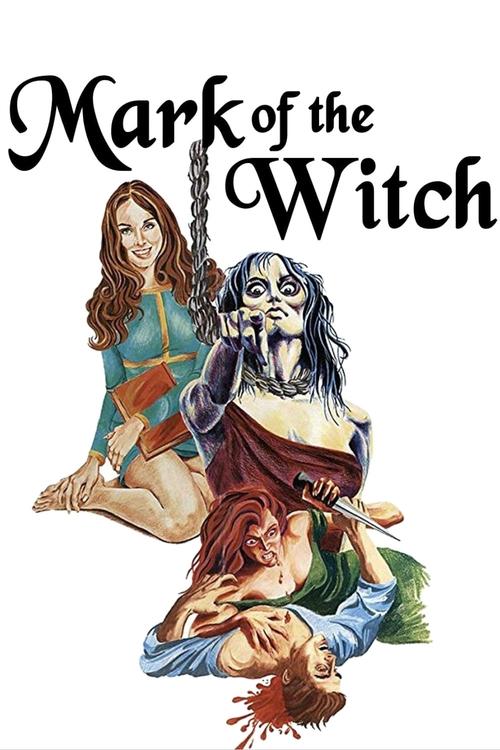
Mark of the Witch
1970
No user ratings available yet
Representation score: 5.7 out of 10
Representation Score
Minimal
1970
GPDirector
Gordon Hessler
Runtime
91 minutes
Average Rating
No ratings yetNew Showbiz Analysis
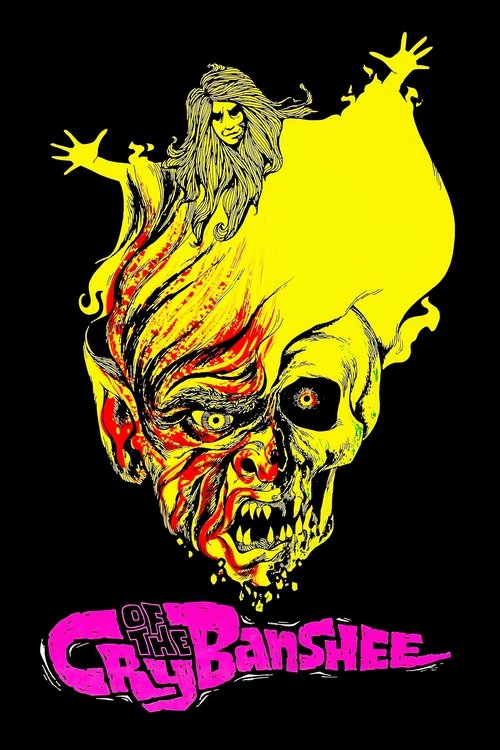
Cry of the Banshee is a traditional period horror film that adheres to the social and gender hierarchies of its 1970s production era. It relies heavily on gothic clichés rather than subverting them. The film presents a homogeneous cast and a narrative focused on Anglo-centric aristocratic settings. While supernatural elements provide some ability to act to a female character through occultism, the broader social roles remain strictly traditional. Ultimately, the film explores supernatural themes within the established social order without challenging it.
Category Breakdown
The film follows traditional structures that assume everyone is straight and cisgender. There are no representations of non-traditional gender identities or same-sex relationships.
Female characters frequently play the role of a damsel in distress. A woman uses occult powers to enact a curse, but male authority figures drive the main conflicts.
The cast is primarily homogeneous, reflecting the production standards of the time. The story focuses on Anglo-centric settings without diverse ethnic representation.
The story is set in the context of seventeenth-century feudalism and Western hierarchies. It upholds historical religious orthodoxies without challenging them.
There are no significant depictions of physical disabilities, neurodivergence, or chronic illnesses. Characters are portrayed as typical horror archetypes.
Present on Screen
Limited or Absent
Official Synopsis
In seventeenth century England Lord Whitman wages unending war on what he sees as the ever-present scourge of witchcraft, and many local villagers have suffered at his hands. But one victim uses her occult powers to curse his family, enlisting unknowing help from one of the household.
1970
1960
2008
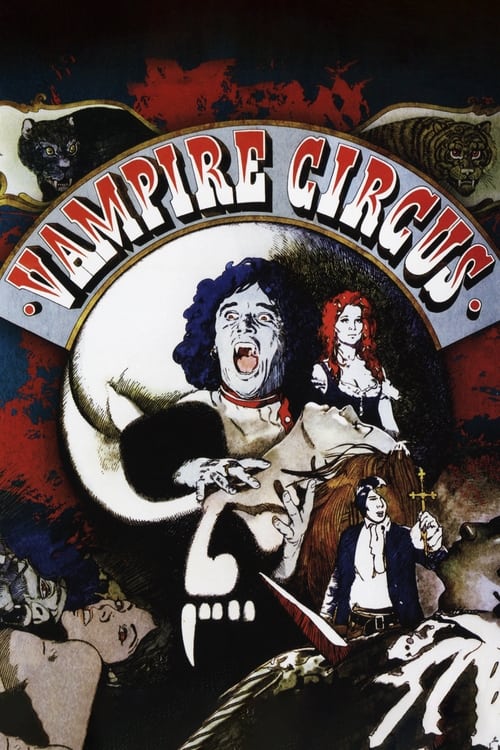
1972
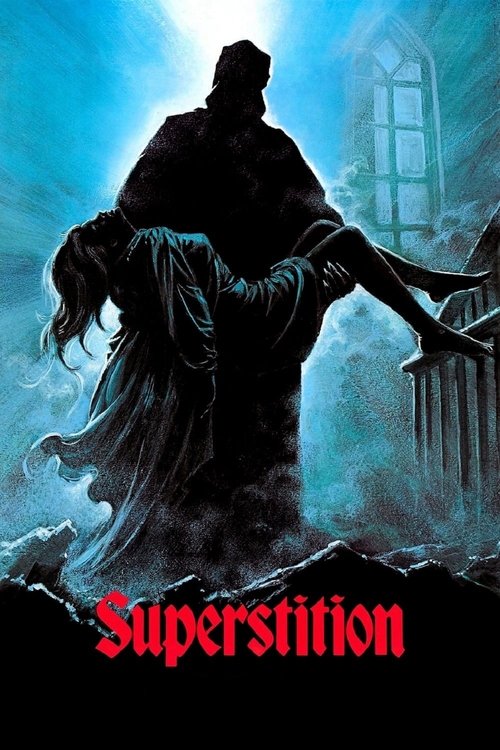
1982
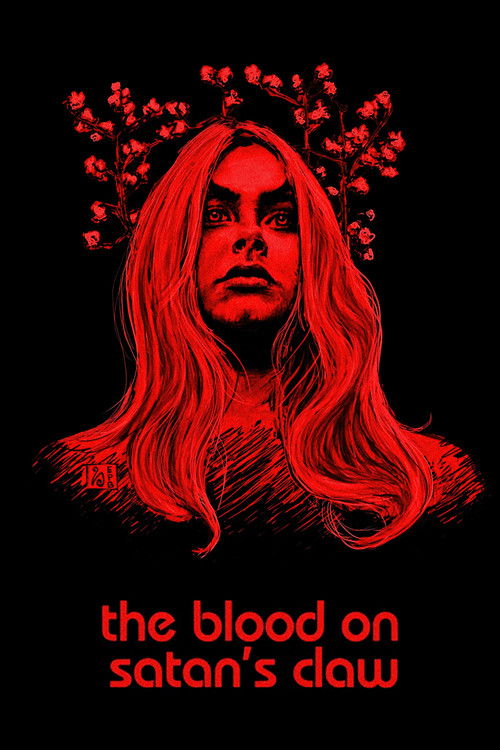
1971
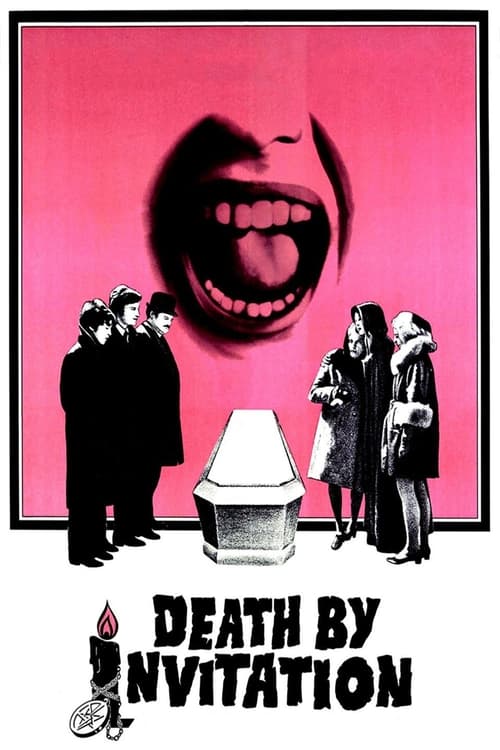
1971
1964
No reviews yet. Be the first to share your thoughts on this movie!
Use the rating form above to leave a star rating and optional review.