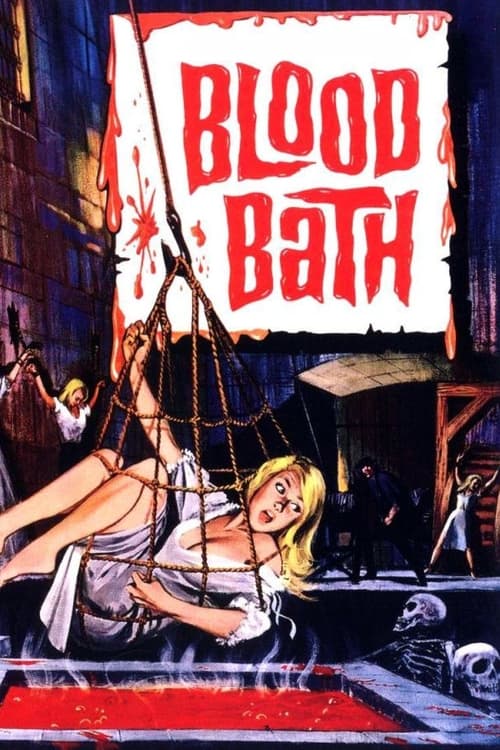
Blood Bath
1966
No user ratings available yet
Representation score: 4.6 out of 10

Representation Score
Minimal
1970
RDirector
Robert Vincent O'Neil
Runtime
88 minutes
Average Rating
No ratings yetNew Showbiz Analysis
Blood Mania operates within the confines of 1970s exploitation cinema. While the main character exhibits a form of ability to act by manipulating her father's death for inheritance, this portrayal relies heavily on stereotypes rather than nuanced gender exploration. The film lacks depth in its representation of diverse identities and perspectives. It prioritizes shock value and individual depravity over meaningful social critique. Overall, Blood Mania functions as a typical horror piece of the era, reinforcing traditional romantic archetypes and demographic norms without challenging them.
Category Breakdown
The film centers on a heterosexual relationship between the main character and her boyfriend. It does not include any characters with non-binary genders or explore themes that question the assumption that everyone is straight.
The main character manipulates her family structure in a predatory manner, which challenges traditional views of femininity. However, her portrayal often falls into the stereotype of being 'sex-crazed,' reducing her role to a caricature.
The film adheres to typical 1970s casting practices. It does not feature actors of different ethnicities or a diverse cast to challenge demographic norms.
The story delves into dysfunctional family dynamics and the prioritization of personal desires over traditional filial obligations. This aligns with the horror genre's focus on depravity rather than providing a structured critique of Western institutions.
The film does not include any characters with visible or invisible disabilities.
Present on Screen
Limited or Absent
Official Synopsis
A sex-crazed nympho helps speed along her father's death so she can use the inheritance to help out her depraved boyfriend.
1966
1964

1970

1970
1979

1969
1972
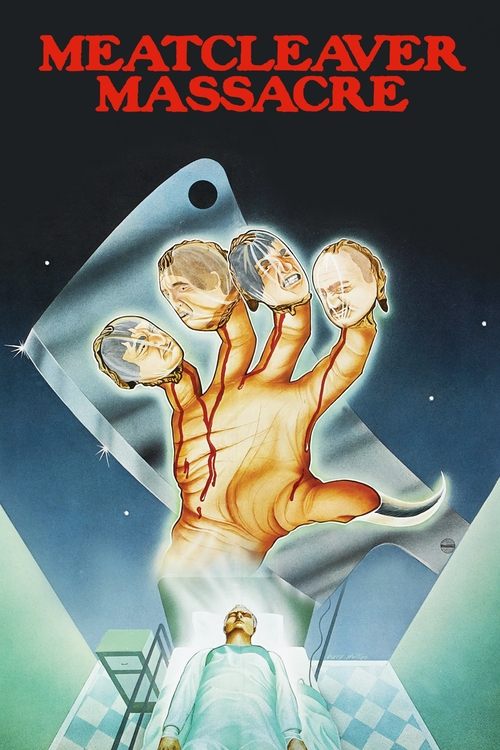
1977
No reviews yet. Be the first to share your thoughts on this movie!
Use the rating form above to leave a star rating and optional review.