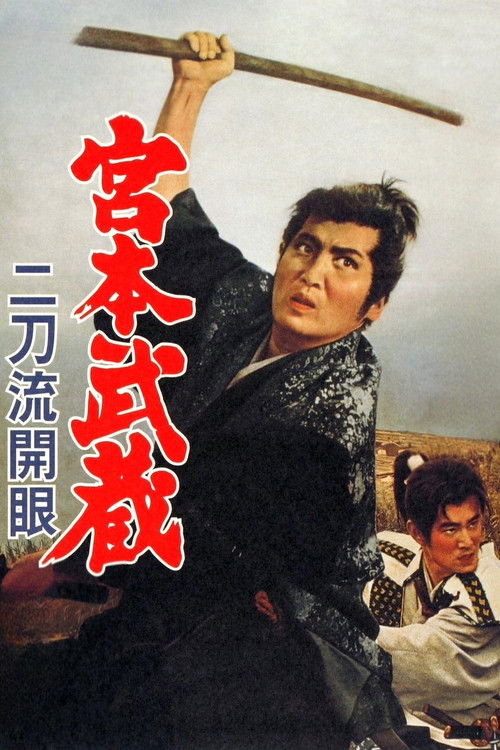
Miyamoto Musashi III: Birth of Two Sword Style
1963
No user ratings available yet
Representation score: 2.0 out of 10
Representation Score
Limited
1956
Director
Sadatsugu Matsuda
Runtime
94 minutes
Average Rating
No ratings yetNew Showbiz Analysis
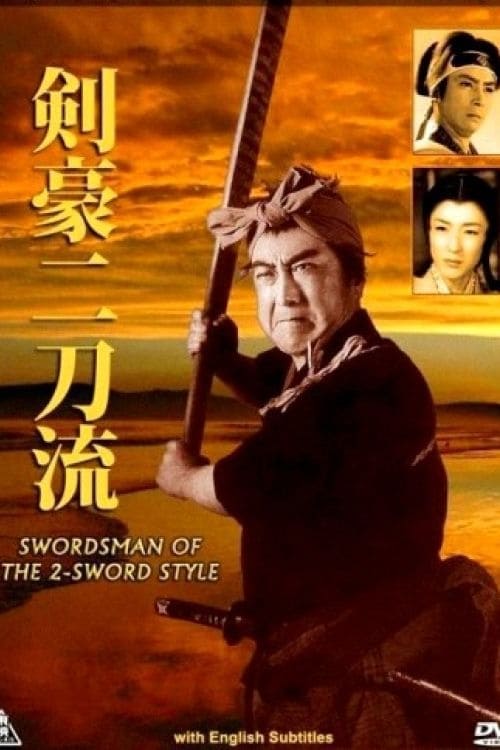
Swordsman of the Two Sword Style is a traditionalist genre piece that celebrates a singular, legendary masculine figure. It adheres strictly to the historical and social constraints of its era, focusing on martial mastery and individual skill. The film follows established cultural hierarchies common to the jidaigeki genre, functioning as a localized cultural study of the Edo period rather than an exploration of multiple aspects of identity. Because the film centers on the heroic arc of Miyamoto Musashi, it offers limited opportunities for challenging traditional social or gendered norms.
Category Breakdown
The film does not include explicit representations of LGBTQ+ identities or queer narratives. It operates within a mid-century framework that does not feature same-sex relationships or critiques of the assumption that everyone is straight or cisgender.
The narrative centers on the hyper-masculine archetype of the wandering swordsman. Female characters likely occupy supportive or domestic roles, with little control over their own destinies.
The setting is culturally homogeneous, providing deep immersion into a specific Japanese identity. It lacks the racial blending or exploration of multiple aspects of identity found in modern globalized productions.
The film emphasizes traditionalist values like martial honor and discipline. It reinforces the social and ethical codes of the Edo period rather than prioritizing secularism.
There is no evidence of characters with disabilities possessing real power. Physical impairment is largely absent from the narrative, reflecting the conventions of 1950s action cinema.
Present on Screen
Limited or Absent
Official Synopsis
The story of Japan’s greatest warrior, Miyamoto Musashi, after his historic duel with Sasaki Kojiro on Ganryu Island.
1963
1962
1965
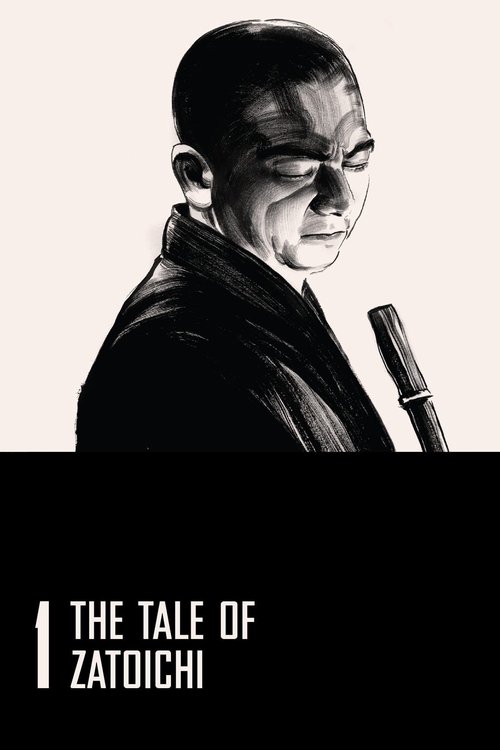
1962

1960
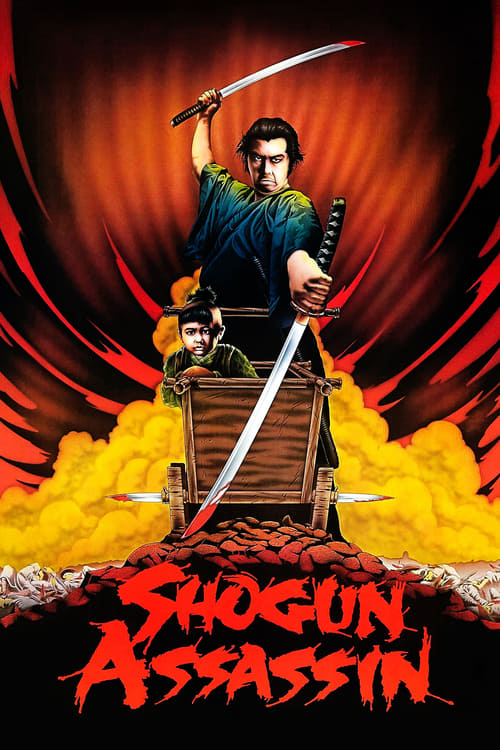
1980
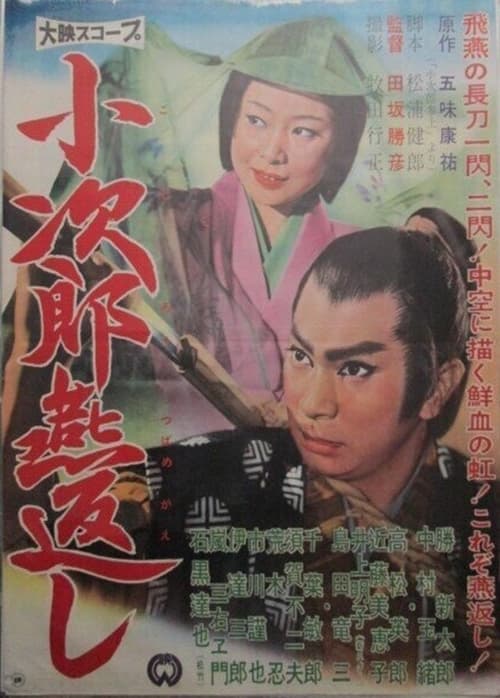
1961
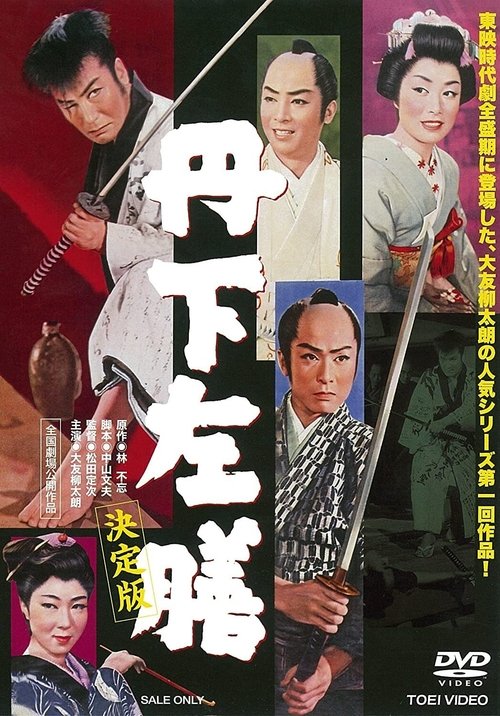
1958
No reviews yet. Be the first to share your thoughts on this movie!
Use the rating form above to leave a star rating and optional review.