The White Rose
1961
No user ratings available yet
Diversity score: 3.9 out of 10
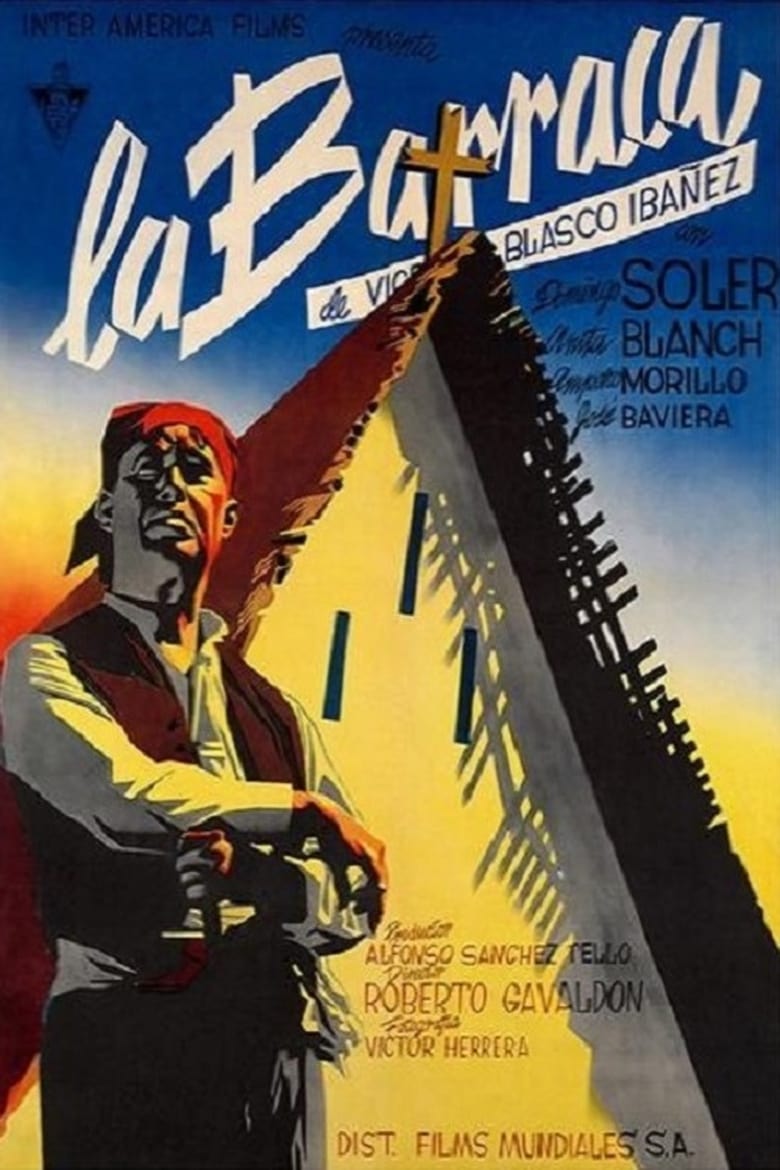
1945
Director
Roberto Gavaldón
Runtime
110 minutes
Average Rating
No ratings yetSynopsis
The film chronicles the adventures of a peasant family of the late nineteenth century to push through his work with the opposition and hatred of the rest of the villagers.
Overall Score
Fair
Category Breakdown
LGBTQ+ Representation
The film offers no evidence of non-heteronormative identities. It appears to follow the standard social and cinematic conventions of its 1945 production era.
Gender Representation
The narrative likely centers on traditional gender roles common to period dramas. However, the focus on a working peasant family suggests women may be depicted through roles of significant labor and endurance.
Racial & Ethnic Diversity
As a Mexican production, the film centers a non-Anglo-Saxon cast. The focus on the peasantry provides a platform for representing indigenous or mestizo identities, disrupting Eurocentric cinematic norms.
Religious & Cultural Diversity
The story challenges traditional hierarchies by portraying the village as an exclusionary and hostile entity. This framing critiques communal authority and the systemic difficulties faced by those outside mainstream social norms.
Disability Representation
There is no evidence of characters with visible or invisible disabilities serving as central narrative elements in this work.
Strengths
Areas for Improvement
AI Analysis
The film functions as a social realist drama that explores the friction between a marginalized traveling family and a sedentary village community. While it lacks modern intersectional markers like LGBTQ+ or disability representation, it provides a meaningful critique of social stratification. By positioning the protagonists as outsiders facing systemic hostility, the narrative deconstructs the idea of the village as a cohesive moral unit. This approach allows for a study of communal exclusion and the hardships of the peasant class. Ultimately, the film's strength lies in its portrayal of ethnic depth and its subversion of established social structures, even while operating within the traditional frameworks of mid-century Mexican cinema.
1961
1955

1958

1964
1976
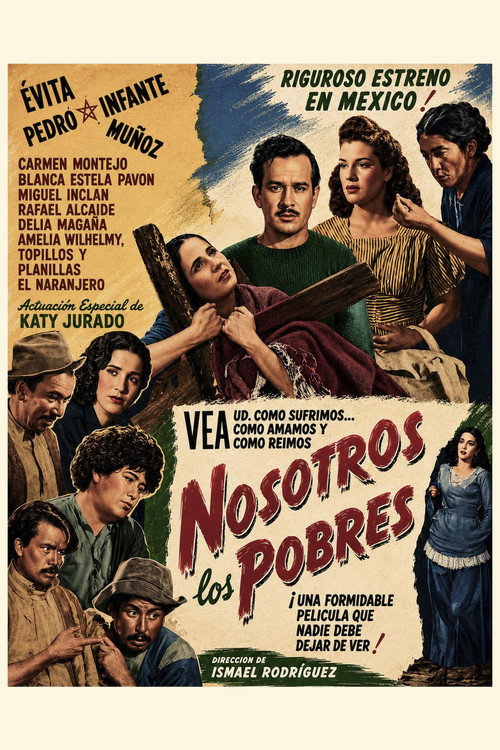
1948
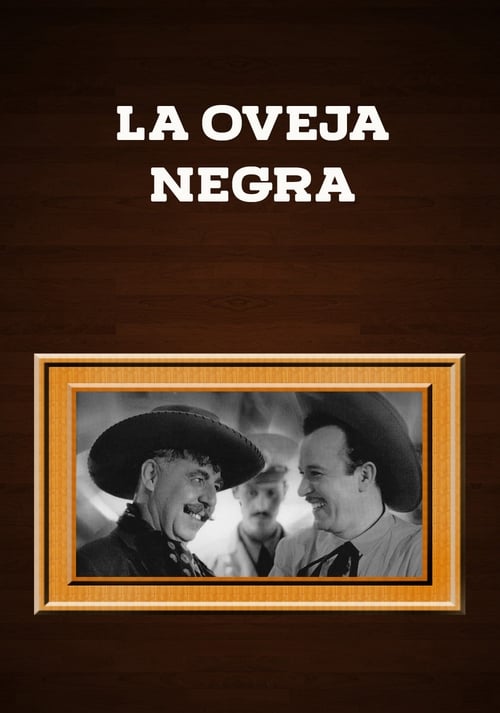
1949
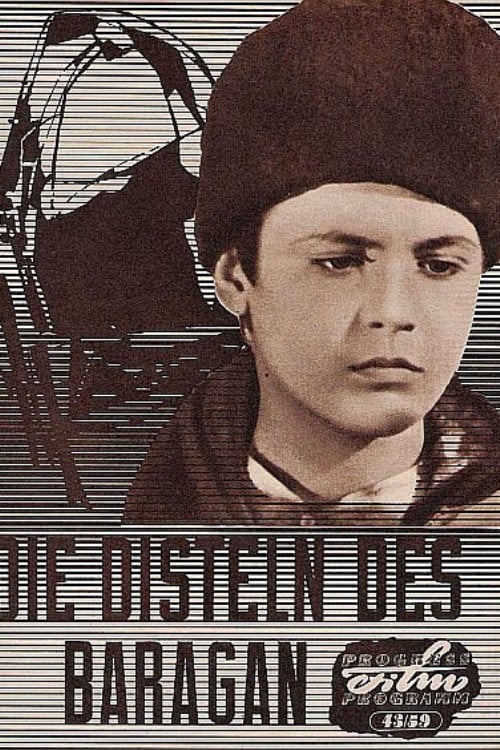
1959
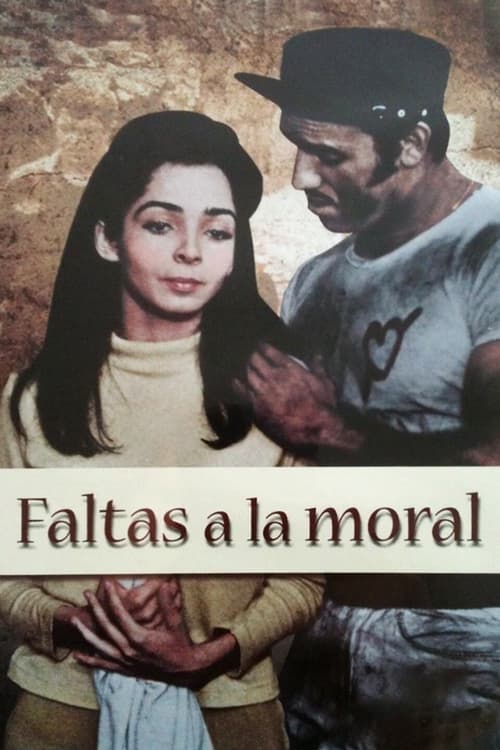
1970
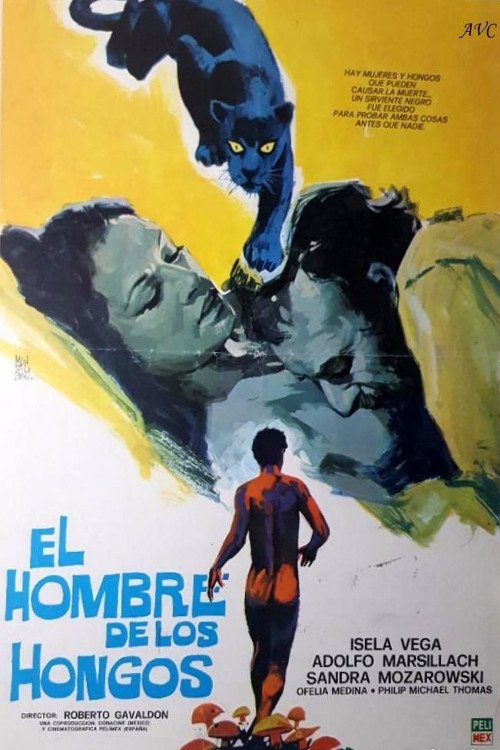
1976
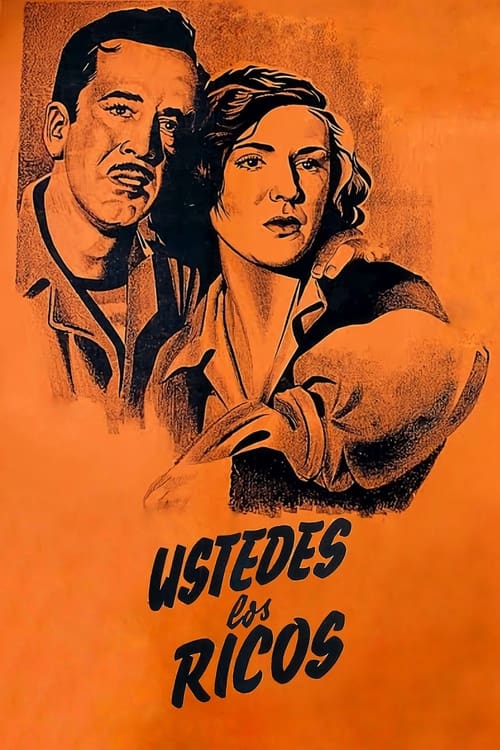
1948
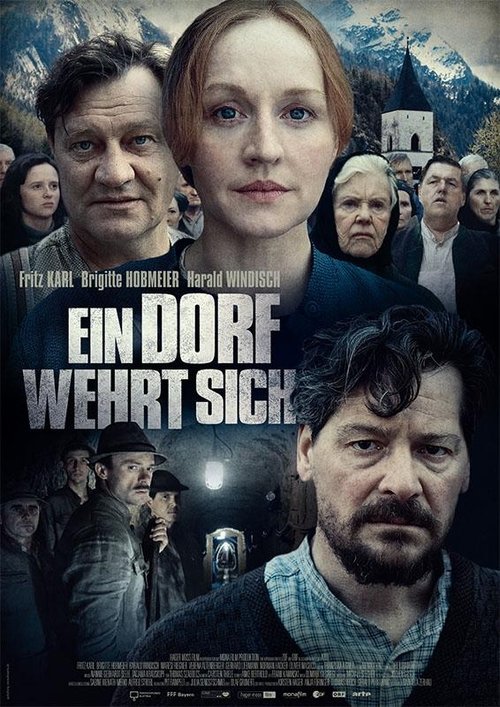
2019
No reviews yet. Be the first to share your thoughts on this movie!
Use the rating form above to leave a star rating and optional review.