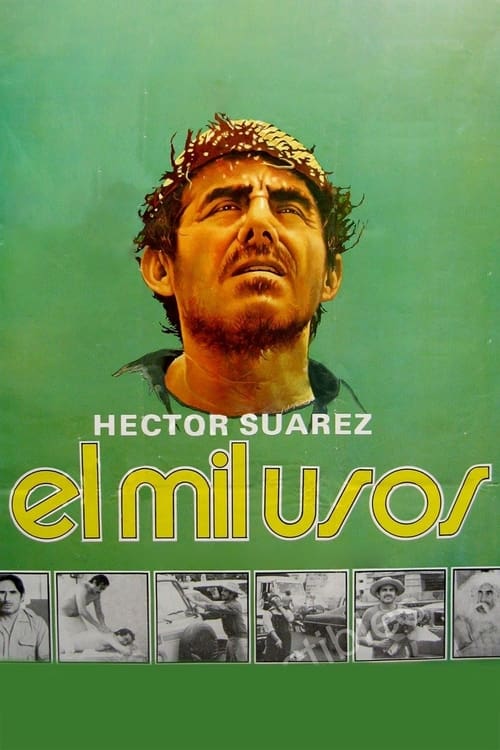
El mil usos
1981
No user ratings available yet
Representation score: 6.8 out of 10
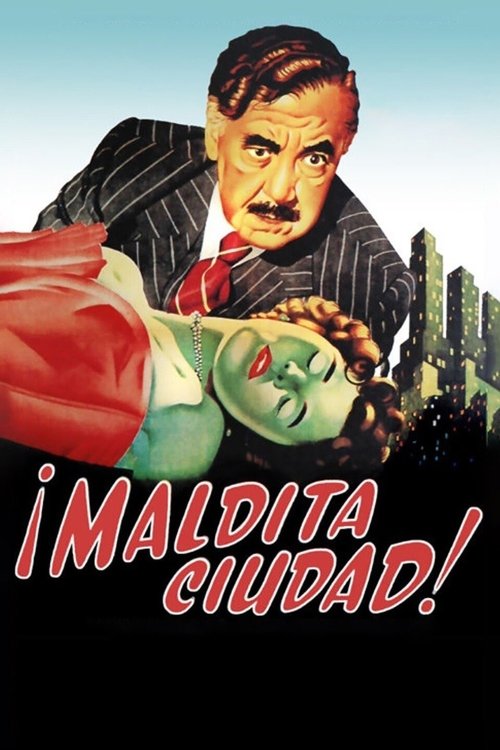
Representation Score
Limited
1954
Director
Ismael Rodríguez
Runtime
92 minutes
Average Rating
No ratings yetNew Showbiz Analysis
Ismael Rodríguez’s *Damned City!* serves as a social critique of urbanization and the erosion of rural stability. It centers the struggles of the working class against an impersonal urban landscape. The film provides a localized perspective that challenges idealized views of metropolitan progress. Although it lacks modern multi-layered complexity, it offers a meaningful counter-narrative to the era's broader cinematic trends. Ultimately, the work explores the tension between individual identity and systemic urban pressures through the lens of traditional Mexican social realities.
Category Breakdown
The film does not include any characters with non-binary genders or same-sex relationships. It focuses on a traditional family dealing with economic changes.
The story is driven by a male character's ambitions within a patriarchal structure. Female characters show resilience in the face of urban challenges.
The film highlights a Mexican perspective, examining the contrast between rural and urban life. It offers a fresh look beyond Western-centric cinema.
The story contrasts city corruption with village morality. Centralized institutions are viewed negatively as sources of hardship.
There are no characters with visible or invisible disabilities mentioned in the available material.
Present on Screen
Limited or Absent
Official Synopsis
A humble provincial writer who wants to publish his first book offers it to a film producer who is looking for locations for a film at that time. The novelist's family then moves to the big city, where they will have to face many adversities that will make them wish they had never left their village.
1981
1985
1946

1955
1958

1986

1931

1977
No reviews yet. Be the first to share your thoughts on this movie!
Use the rating form above to leave a star rating and optional review.