
Mysteries of Lisbon
2010
No user ratings available yet
Diversity score: 5.2 out of 10

1999
Director
Bigas Luna
Runtime
118 minutes
Average Rating
No ratings yetSynopsis
The story revolves around Goya's womanising and the mysterious death of the Duchess of Alba at the end of the 18th and beginning of the 19th Centuries, at a time when Madrid was wobbling through a difficult time and setting the scene for the following Prim vs Crown uprising.
Overall Score
Fair
Category Breakdown
LGBTQ+ Representation
The film operates within a traditional heteronormative framework. While it explores intense obsession and blurred boundaries, there is no explicit evidence of non-cisnormative identities or a deliberate critique of heteronormativity.
Gender Representation
Female characters are central to the mystery and act as catalysts for the protagonist's unraveling. The film subverts traditional romantic tropes by replacing stable courtship with volatile, psychologically complex power struggles.
Racial & Ethnic Diversity
The cast is predominantly white and European, reflecting the historical setting of late 18th-century Madrid. There is no evidence of color-blind casting or intentional use of non-white characters.
Religious & Cultural Diversity
The production rejects a singular, authoritative morality in favor of situational truth. It depicts a 'wobbling' Madrid, suggesting a narrative interest in the fragility of established social institutions.
Disability Representation
Themes of psychological instability and obsession are used as narrative tools. However, these are treated as character drivers rather than representations of neurodivergence or the lived experience of disability.
Strengths
Areas for Improvement
AI Analysis
Volaverunt is an intellectually complex work that prioritizes postmodern deconstruction over demographic breadth. It succeeds in subverting romantic stability and challenging the viewer's perception of historical truth through a fragmented, non-linear narrative. However, the film remains limited by its historical period setting, resulting in low racial and LGBTQ+ representation. It adheres to the demographic realities of 18th-century Spain without attempting to modernize the landscape. Ultimately, the film's strength lies in its psychological depth and its refusal to provide a stable, traditional view of history, favoring instead a subjective and fragmented reality.
2010

1987
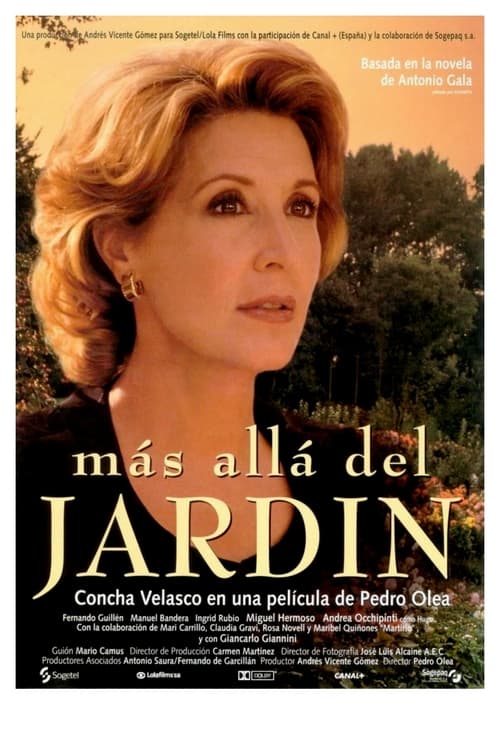
1996

2008

1978
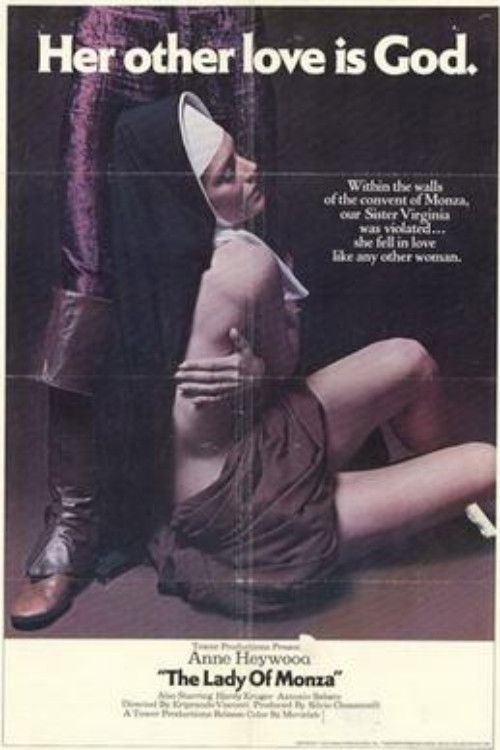
1969
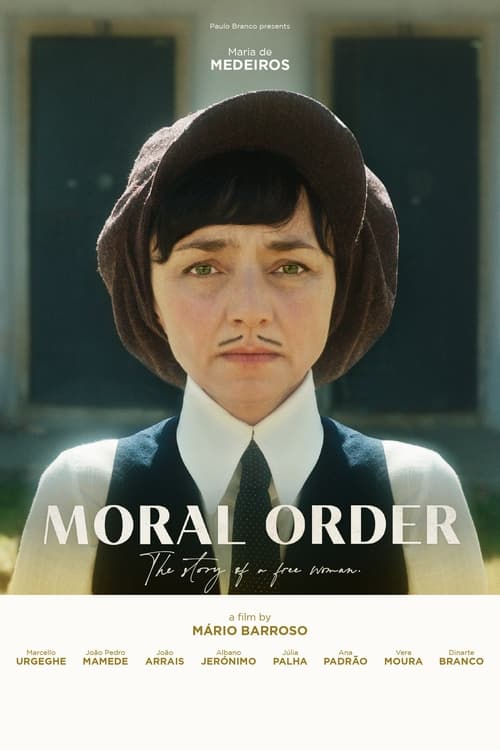
2020

1991

1986

1985

1989
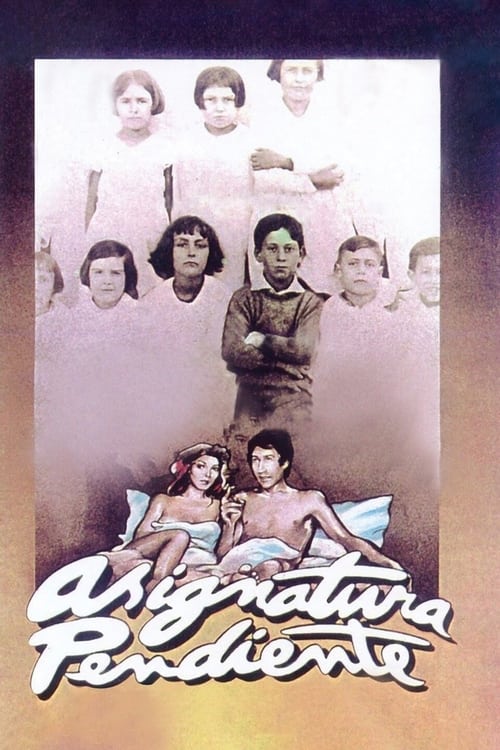
1977
No reviews yet. Be the first to share your thoughts on this movie!
Use the rating form above to leave a star rating and optional review.