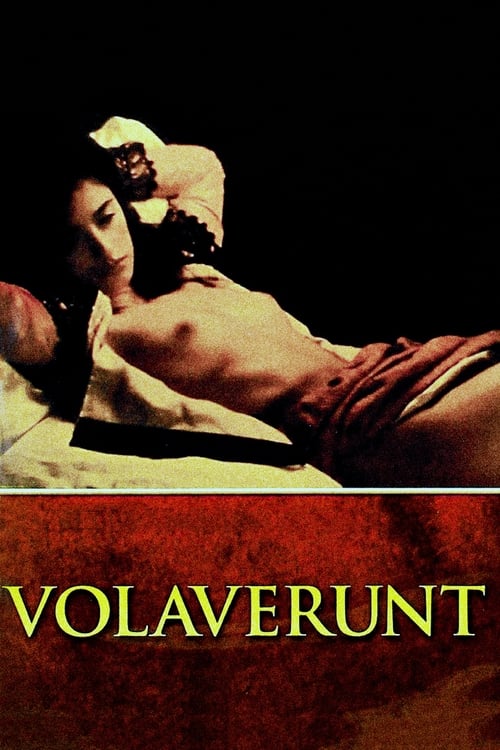
Volaverunt
1999
No user ratings available yet
Diversity score: 4.2 out of 10

2010
Runtime
267 minutes
Average Rating
No ratings yetSynopsis
The tragic story of the many lives of Father Dinis, his dark origins and his pious works, and the different fates of all those who, trapped in a sinister web of love, hate and crime, cross paths with him through years of adventure and misfortune in the convulsed Europe of the late 18th and early 19th centuries.
Overall Score
Fair
Category Breakdown
LGBTQ+ Representation
The film explores a sinister web of love and human desire within a 19th-century framework. However, it lacks explicit or central depictions of queer-coded narratives or non-cisnormative identities.
Gender Representation
Women in this narrative are not passive observers but active agents navigating rigid social constraints. The episodic structure avoids traditional male-led tropes by presenting complex, contradictory gendered experiences.
Racial & Ethnic Diversity
The ensemble reflects a diverse European cast set in historical Lisbon. While it avoids depicting a homogeneous social order, the narrative remains focused on the European social fabric of the era.
Religious & Cultural Diversity
The film offers a sophisticated critique of institutional power through its depiction of the Catholic Church. It uses postmodernism to present truth as subjective rather than a singular, objective morality.
Disability Representation
Characters face various forms of physical and social vulnerability. These elements serve the broader theme of human misfortune rather than providing a specific exploration of disability agency or neurodivergence.
Strengths
Areas for Improvement
AI Analysis
Raúl Ruiz delivers a complex, non-linear drama that excels at deconstructing traditional storytelling. The film's greatest strength is its intellectual depth, particularly in how it subverts authoritative narratives and explores the subjectivity of truth. While the film provides nuanced agency to female characters, it remains limited in its representation of LGBTQ+ identities and specific disability experiences. The focus stays largely within the bounds of 19th-century European social structures. Ultimately, the work succeeds as a postmodern critique of morality and power, even if it does not center on modern identity politics.
1999
1996
1969
1993

1981
1988
1978
2008

2005
1989
2020
2006
No reviews yet. Be the first to share your thoughts on this movie!
Use the rating form above to leave a star rating and optional review.