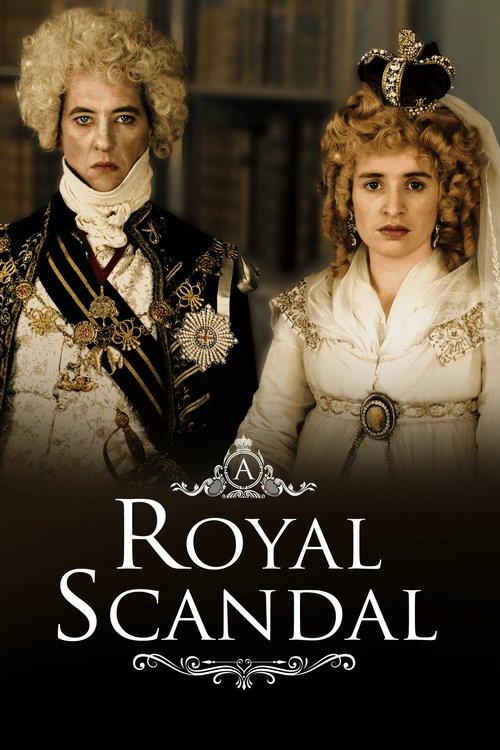
A Royal Scandal
1997
No user ratings available yet
Representation score: 3.3 out of 10
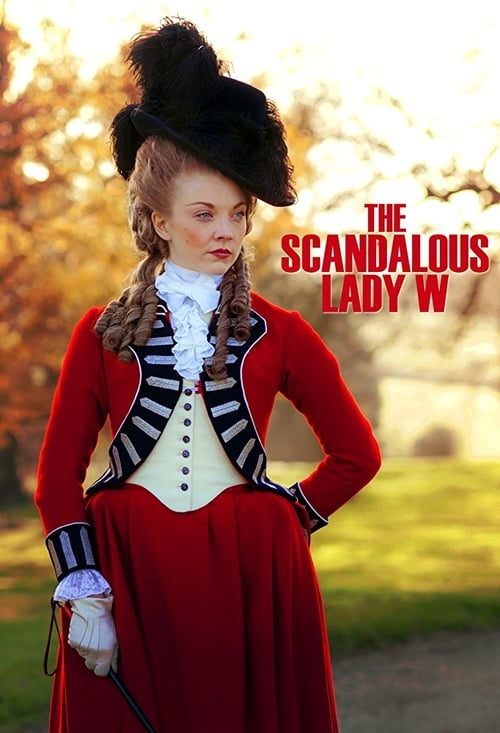
Representation Score
Limited
2015
Director
Sheree Folkson
Runtime
90 minutes
Average Rating
No ratings yetNew Showbiz Analysis
The film serves as a character study of individuals fighting against restrictive historical social controls. Its primary strength lies in the subversion of gendered power dynamics through a strong female protagonist. However, the production is limited by the demographic homogeneity of its 18th-century setting. The lack of racial, ethnic, or LGBTQ+ diversity confines the narrative to a narrow social framework. Ultimately, while the film offers a progressive look at personal autonomy, it remains anchored in a traditional, non-diverse aristocratic world.
Category Breakdown
The story focuses on heterosexual relationships among the 18th-century aristocracy. There are no queer narratives or non-binary identities in the main character arcs.
Lady Seymour Worsley challenges the power structure of her time by rejecting patriarchal marriage constraints. Her actions shift the balance of power towards the female subject.
The casting reflects the homogeneous demographic of the British aristocracy. The narrative centers on a white, Anglo-Saxon aristocratic framework without diverse ethnic perspectives.
The film explores moral relativism by framing scandalous behavior as a quest for authenticity. It depicts strict social decorum as a suppressive force against individual autonomy.
There is no significant depiction of visible or invisible disabilities that impact the narrative arc.
Present on Screen
Limited or Absent
Official Synopsis
A gripping 18th century drama details the scandalous life of Lady Seymour Worsley, who dared to leave her husband and elope with his best friend, Captain George Bisset. Lady Seymour Worsley escapes her troubled marriage only to find herself at the centre of a very public trial brought by her powerful husband Sir Richard Worsley.
1997
1969
2008
1934

2003
1997
2010
2015
No reviews yet. Be the first to share your thoughts on this movie!
Use the rating form above to leave a star rating and optional review.