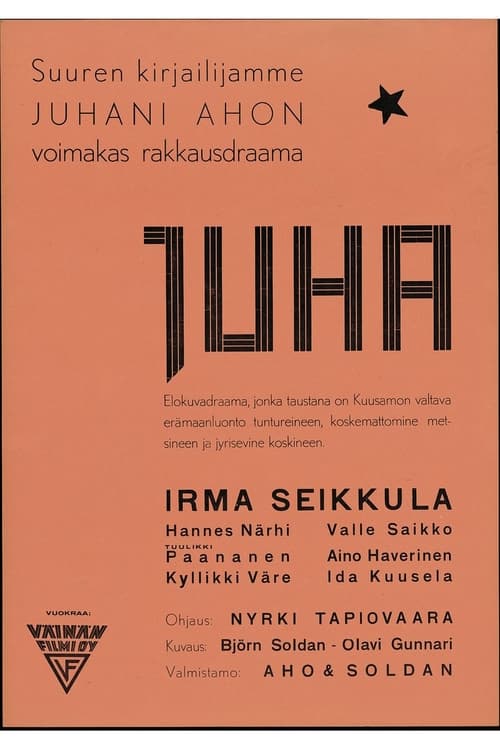
Juha
1937
No user ratings available yet
Representation score: 0.8 out of 10
Representation Score
Minimal
1938
Director
Teuvo Tulio
Runtime
110 minutes
Average Rating
No ratings yetNew Showbiz Analysis
Teuvo Tulio’s melodrama centers on intense emotionality and tragic character arcs. The narrative structure prioritizes individualistic moral struggles and patriarchal family dynamics over the inclusion of underrepresented identities. The film adheres to the traditional dramatic conventions of 1938, focusing on a localized, agrarian social structure that lacks significant diversity in terms of race, gender autonomy, or sexual orientation. Ultimately, the work functions as a period-specific character study of a man's moral wandering rather than a subversion of social hierarchies.
Category Breakdown
The film follows a storyline focused on a male protagonist and his interactions with women. There are no narratives involving LGBTQ+ identities or non-cisgender identities.
The story emphasizes men's control over the story through the main character Olavi's journey as a womanizing logger. Women are shown primarily as objects of pursuit rather than as independent characters.
Set in 1938 rural Finland, the film reflects the demographic homogeneity of its time. The agrarian setting lacks diverse racial representation.
The plot explores familial disputes and the rejection of paternal authority. It stays rooted in early 20th-century social norms without challenging broader societal structures.
There is no information regarding the portrayal of physical or neurodivergent characters in this production.
Present on Screen
Limited or Absent
Official Synopsis
Olavi, a farmer's son, leaves his home after a dispute with his father and leads a life of a womanizing logger.
1937
1930
1973

1964

1932

1930

1980
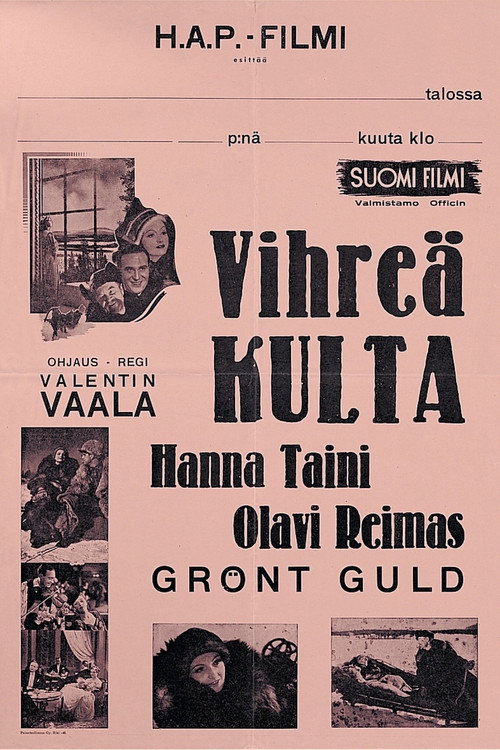
1939
No reviews yet. Be the first to share your thoughts on this movie!
Use the rating form above to leave a star rating and optional review.