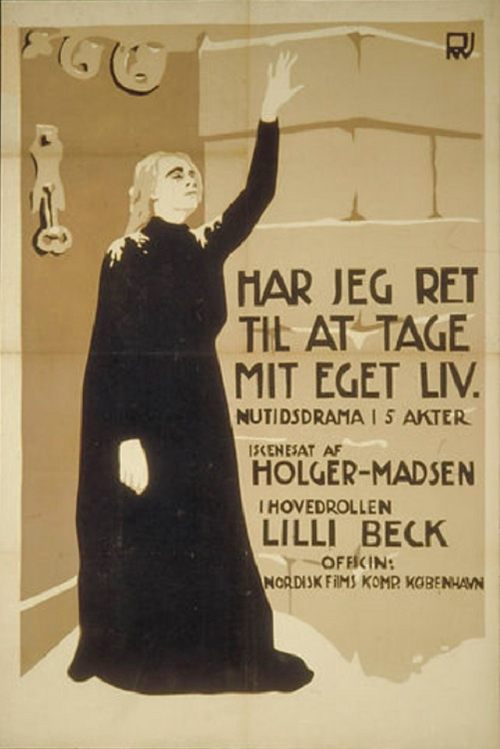
Beyond the Barricade
1920
No user ratings available yet
Diversity score: 2.7 out of 10

1933
NRDirector
John S. Robertson
Runtime
72 minutes
Average Rating
No ratings yetSynopsis
Dr. Eli Watt, a widower, comes to a small town, considering himself a failure in his attempt to have a meaningful career in New York. He raises his son Jimmy as well as Letty, a baby whose mother has died in childbirth and whose father blames Watt and abandons the child. Watt dreams of returning to do research studies, but always something gets in the way: an epidemic, his children's needs, or the needs of his generally ungrateful patients. Only with the passing years does he come to find that his future isn't over and his past isn't quite the failure he believed.
Overall Score
Limited
Category Breakdown
LGBTQ+ Representation
The film focuses on a widower and his children. There is no evidence of non-cisnormative identities or narratives that critique heteronormativity.
Gender Representation
Dr. Eli Watt drives the narrative, keeping agency concentrated in the male lead. Female characters like Letty are positioned in roles of dependency.
Racial & Ethnic Diversity
The story centers on a specific medical professional in a small town. It appears to follow the homogeneous casting norms of early 1930s drama.
Religious & Cultural Diversity
The film explores the tension between individual ambition and communal obligation. It frames the protagonist's struggle within existing social structures.
Disability Representation
The narrative mentions an epidemic, which suggests a focus on public health. There is no information regarding individual disability agency.
Strengths
Areas for Improvement
AI Analysis
One Man's Journey is a traditional character study centered on paternal responsibility and professional perseverance. The narrative architecture follows a singular male protagonist, Dr. Eli Watt, as he navigates the conflict between his career ambitions and his familial duties. The film adheres to the cinematic conventions of the early 1930s, prioritizing established social hierarchies and conventional family structures. It lacks the intersectional complexity or systemic deconstruction found in more progressive works. Ultimately, the story is an individualist tale of finding meaning through personal struggle rather than a critique of broader social or cultural institutions.
1920

1947
1941
1920
1939
1934
1938
1933
1946

1984

1945

1927
No reviews yet. Be the first to share your thoughts on this movie!
Use the rating form above to leave a star rating and optional review.