The Dark Angel
1935
No user ratings available yet
Diversity score: 1.3 out of 10
1944
NRDirector
Delmer Daves
Runtime
99 minutes
Average Rating
No ratings yetSynopsis
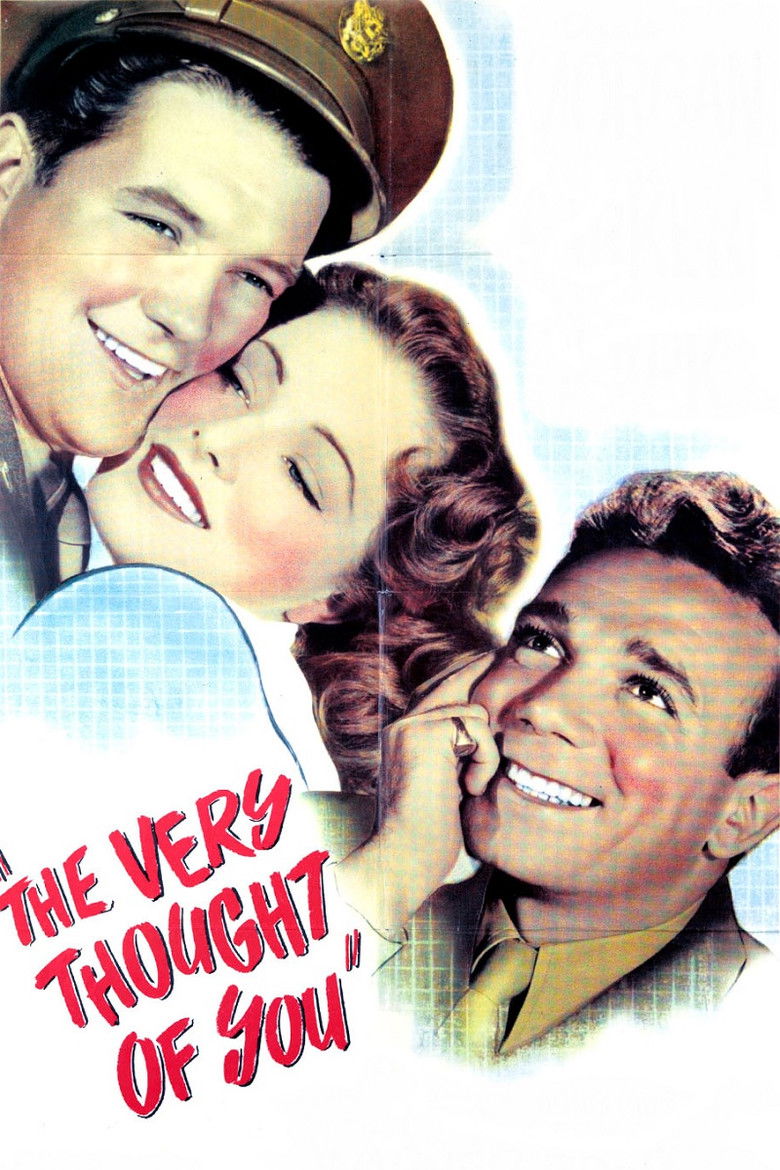
Army sergeants Dave and "Fixit" spend a three-day pass in Pasadena, where they meet Janet and Cora, two young women who work in a parachute factory.
Overall Score
Limited
Category Breakdown
LGBTQ+ Representation
The film adheres strictly to 1940s heteronormative social constraints. There is no evidence of non-cisnormative identities or same-sex intimacy, as the romantic architecture relies entirely on traditional courtship models.
Gender Representation
While female leads show professional agency in a parachute factory, the narrative momentum remains driven by male protagonists. The film reinforces traditional romantic dynamics rather than subverting gender hierarchies.
Racial & Ethnic Diversity
The cast and setting reflect a homogeneous demographic typical of mainstream 1940s cinema. The narrative lacks racial plurality and does not utilize non-white characters to challenge social norms.
Religious & Cultural Diversity
The story celebrates mid-century Western social stability and traditional values. It reinforces the existing social order through themes of romantic longing and wartime professional aspiration.
Disability Representation
There are no prominent depictions of visible or invisible disabilities. Characters are presented within a standard framework of physical and neurotypical normalcy.
Strengths
Areas for Improvement
AI Analysis
The film serves as a quintessential product of the MGM studio era, designed to uphold the established social and cultural hierarchies of the 1940s. It prioritizes classical romantic tropes and demographic homogeneity over narrative subversion. While the wartime setting provides women with professional roles in a factory, the emotional core remains tethered to traditional gender roles. The lack of racial or ethnic plurality further cements its status as a reflection of a standard, non-diverse social landscape. Ultimately, the work functions to reinforce the comfort and cohesion of the existing social order rather than challenging the status quo of the period.
1935
1943
1945
1940

1944

1941
1944

1951
1940

1943
1938
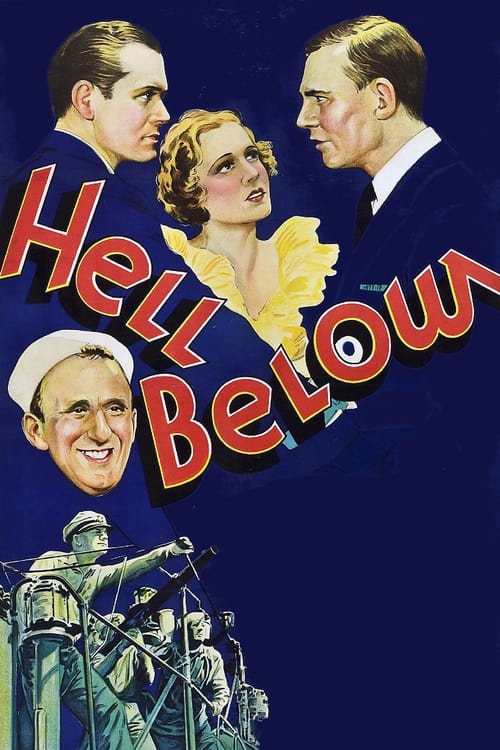
1933
No reviews yet. Be the first to share your thoughts on this movie!
Use the rating form above to leave a star rating and optional review.