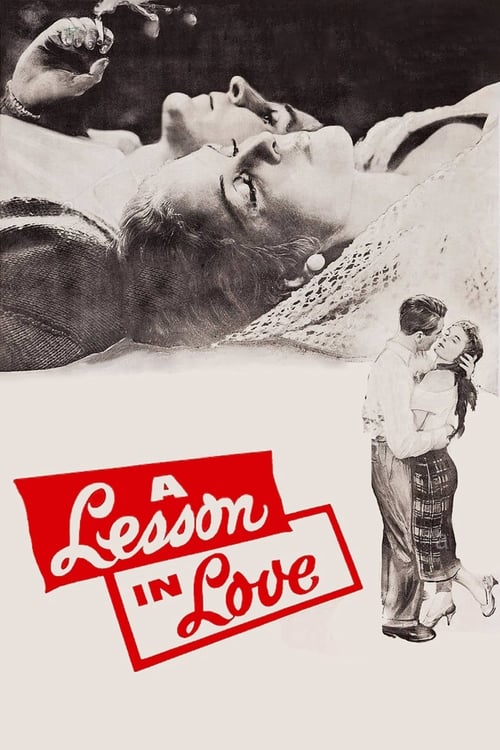
A Lesson in Love
1954
No user ratings available yet
Representation score: 4.5 out of 10
Representation Score
Minimal
1944
ApprovedDirector
Irving Cummings
Runtime
91 minutes
Average Rating
No ratings yetNew Showbiz Analysis
The film is a typical mid-century drama that upholds traditional social structures. It relies on established ideas like the importance of marriage and male authority to create and resolve conflicts. The story focuses on maintaining domestic stability without exploring diverse identities. Overall, the production sticks to the uniform and institutional storytelling standards of 1940s Hollywood, lacking in social and cultural variety.
Category Breakdown
The film doesn't include any LGBTQ+ characters or stories that question the idea that everyone is straight. The main plot revolves around a traditional marriage and its end.
Janie is emotionally important, but her actions are influenced by male authority figures. The story is driven by a judge and her father's decisions.
The movie follows the usual casting practices of the 1940s, focusing on a white, Anglo-centric society without showing many different races or cultures.
The story emphasizes traditional Western values and social unity, centered around the nuclear family and the legal system as key elements.
The film doesn’t mention any characters with visible or invisible disabilities.
Present on Screen
Limited or Absent
Official Synopsis
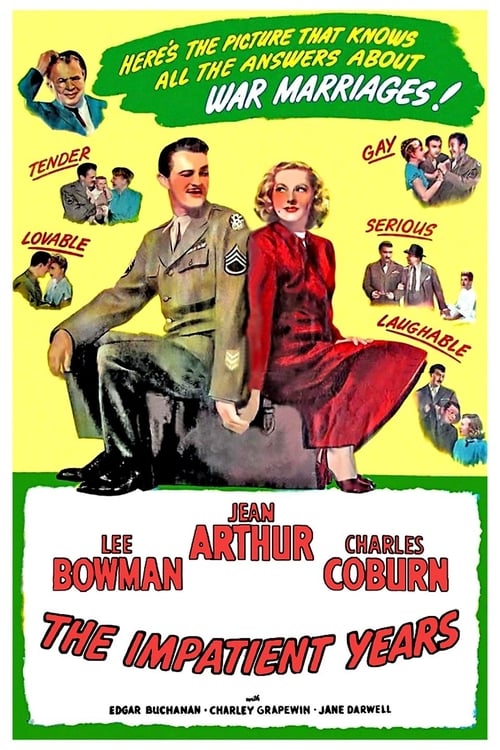
Standing before a divorce court judge are Sergeant Andy Anderson and Janie Anderson asking him to dissolve their marriage. Janie's father, William Smith, objects and the judge allows him to give his version of their story. They had met in San Francisco fifteen months earlier and, after knowing each other only three days, had gotten married. Andy was sent overseas the day after the wedding and when he returns and despite the fact that Janie had borne him a son, they find they are almost strangers. Mr. Smith suggests, and the judge orders, that if they retrace their actions over the four days they knew each other they would regain their love.
1954
1940

1951

1941

1940

1944
1945

1940
No reviews yet. Be the first to share your thoughts on this movie!
Use the rating form above to leave a star rating and optional review.