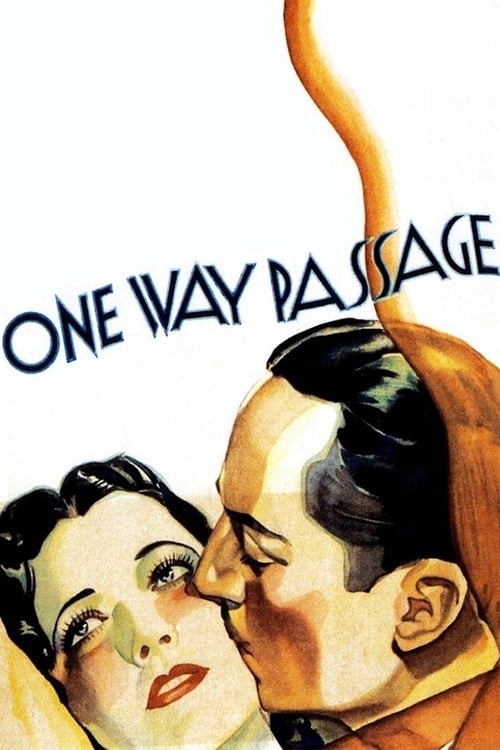
One Way Passage
1932
No user ratings available yet
Representation score: 3.5 out of 10
Representation Score
Limited
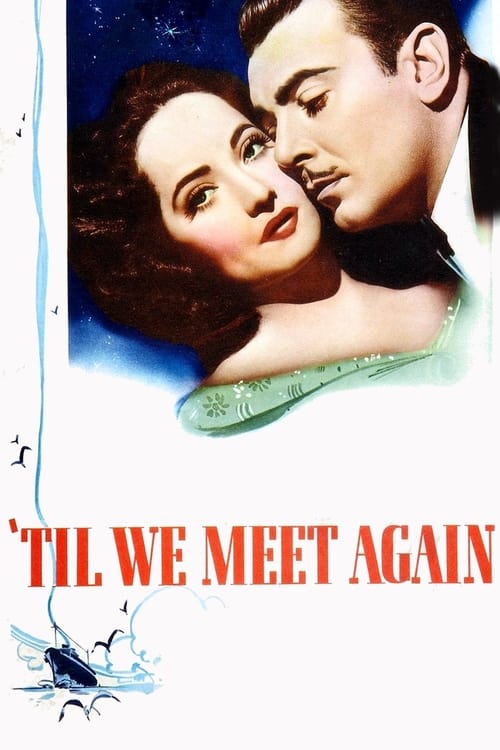
1940
ApprovedDirector
Edmund Goulding
Runtime
99 minutes
Average Rating
No ratings yetNew Showbiz Analysis
The film is a quintessential product of the 1940s studio system, emphasizing high-stakes melodrama over social complexity. It relies heavily on conventional gender roles and traditional romantic norms, offering little challenge to the era's social hierarchies. While Merle Oberon’s casting provides a historical layer of racial nuance, the film itself avoids engaging with her heritage. This results in a narrative that feels homogeneous and avoids the complexities of identity in favor of period-appropriate aesthetics. Ultimately, the film uses character vulnerabilities, such as terminal illness, as mere catalysts for tragedy. It functions as a standard Western melodrama that preserves mid-century social norms rather than challenging them.
Category Breakdown
The film sticks closely to the romantic norms of the 1940s, showing no signs of same-sex relationships or non-cisgender identities.
Joan Ames is central to the emotional storyline, but her role is largely defined by her interactions with men. The film reinforces traditional views of femininity through her tragic experiences.
Merle Oberon’s mixed heritage adds historical context, but the film overlooks her background. The lack of diverse supporting roles and color-blind casting contribute to a homogeneous narrative.
The plot follows established social and legal norms, focusing on traditional romantic ideals typical of the time. It serves as a classic melodrama centered around conventional romance.
The protagonist's terminal illness is used mainly as a plot device, enhancing the tragic storyline rather than exploring the lived experience of illness.
Present on Screen
Limited or Absent
Official Synopsis
Dying Joan Ames meets criminal Dan Hardesty on a luxury liner as he is being transported back to America by policeman Steve Burke to face execution. Joan and Dan fall in love, their fates unbeknownst to one another.
1932
1938
1942
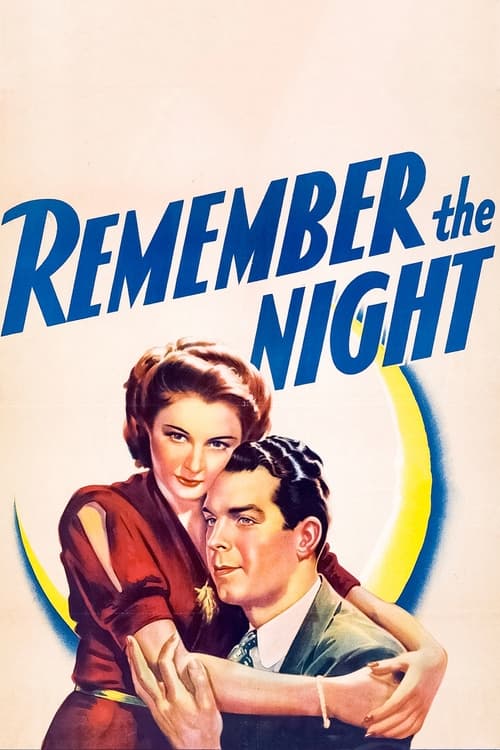
1940
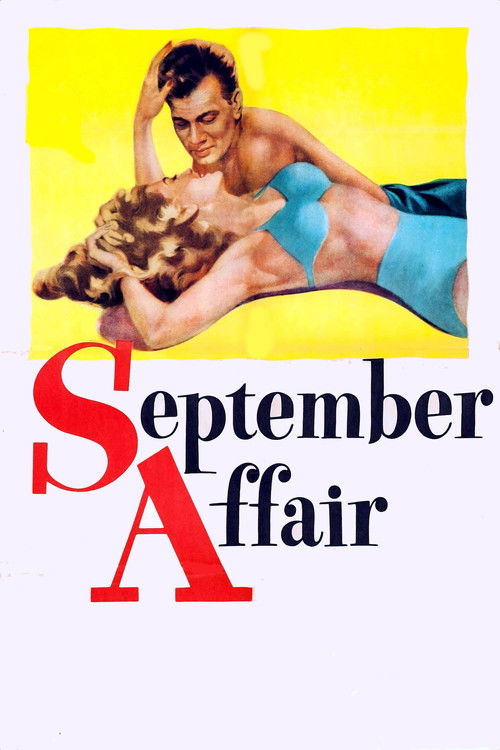
1950
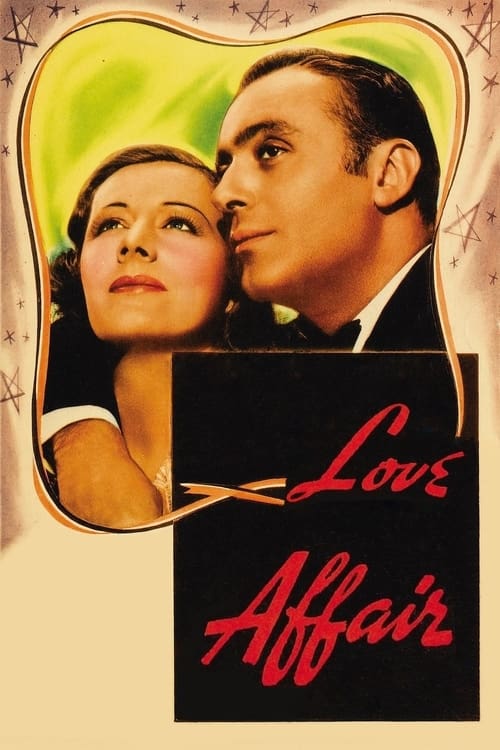
1939
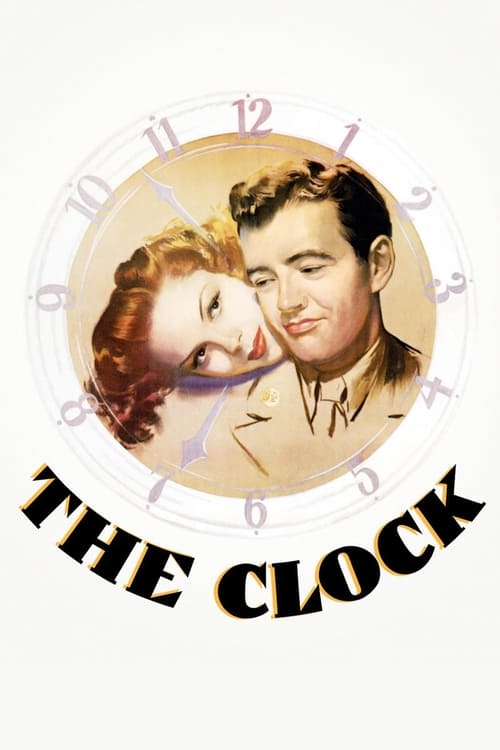
1945
1938
No reviews yet. Be the first to share your thoughts on this movie!
Use the rating form above to leave a star rating and optional review.