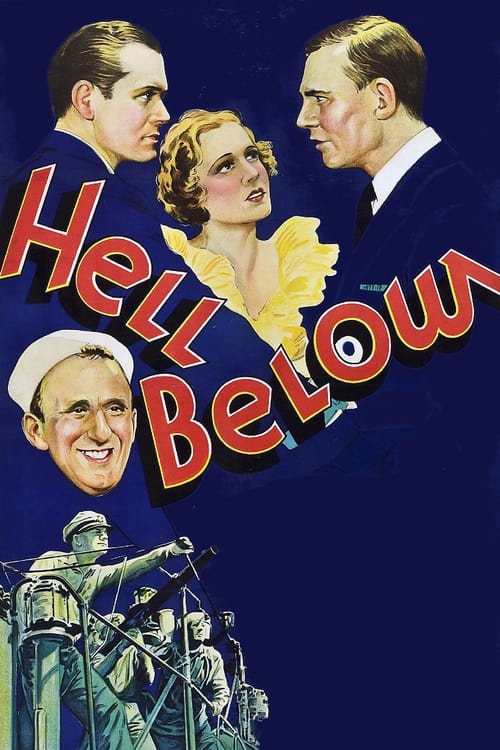
Hell Below
1933
No user ratings available yet
Diversity score: 2.6 out of 10

1938
NRDirector
H. C. Potter
Runtime
85 minutes
Average Rating
No ratings yetSynopsis
During WWI Bill Pettigrew, a naive young Texan soldier is sent to New York for basic training. He meets worldly wise actress Daisy Heath when her car nearly runs him over.
Overall Score
Limited
Category Breakdown
LGBTQ+ Representation
The film lacks LGBTQ+ characters or non-heteronormative identities. The romantic structure focuses entirely on a traditional heterosexual pairing.
Gender Representation
Daisy Heath provides a nuanced portrayal of female agency. She is a complex individual navigating fame rather than a passive object of desire.
Racial & Ethnic Diversity
The cast is predominantly white, reflecting the homogeneous social structures of 1930s Hollywood. No characters of color hold roles of high agency.
Religious & Cultural Diversity
The story emphasizes redemption and individual moral character. It reinforces traditional values of social reintegration rather than critiquing Western institutions.
Disability Representation
There is no significant depiction of visible or invisible disabilities. The narrative focuses on psychological resilience and social standing instead.
Strengths
Areas for Improvement
AI Analysis
The Shopworn Angel is a period-typical drama that adheres to the social and narrative hierarchies of the late 1930s. While it offers a relatively strong portrayal of female agency through its central protagonist, it lacks intersectional depth. The film functions as a reflection of its era's demographic norms, reinforcing traditional social and cultural values rather than challenging them. It lacks engagement with systemic power dynamics or diverse identities.
No reviews yet. Be the first to share your thoughts on this movie!
Use the rating form above to leave a star rating and optional review.