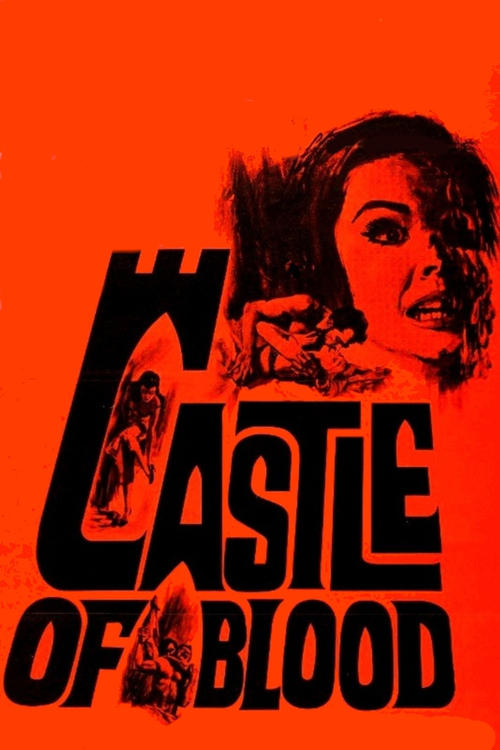
Castle of Blood
1964
No user ratings available yet
Diversity score: 2.2 out of 10
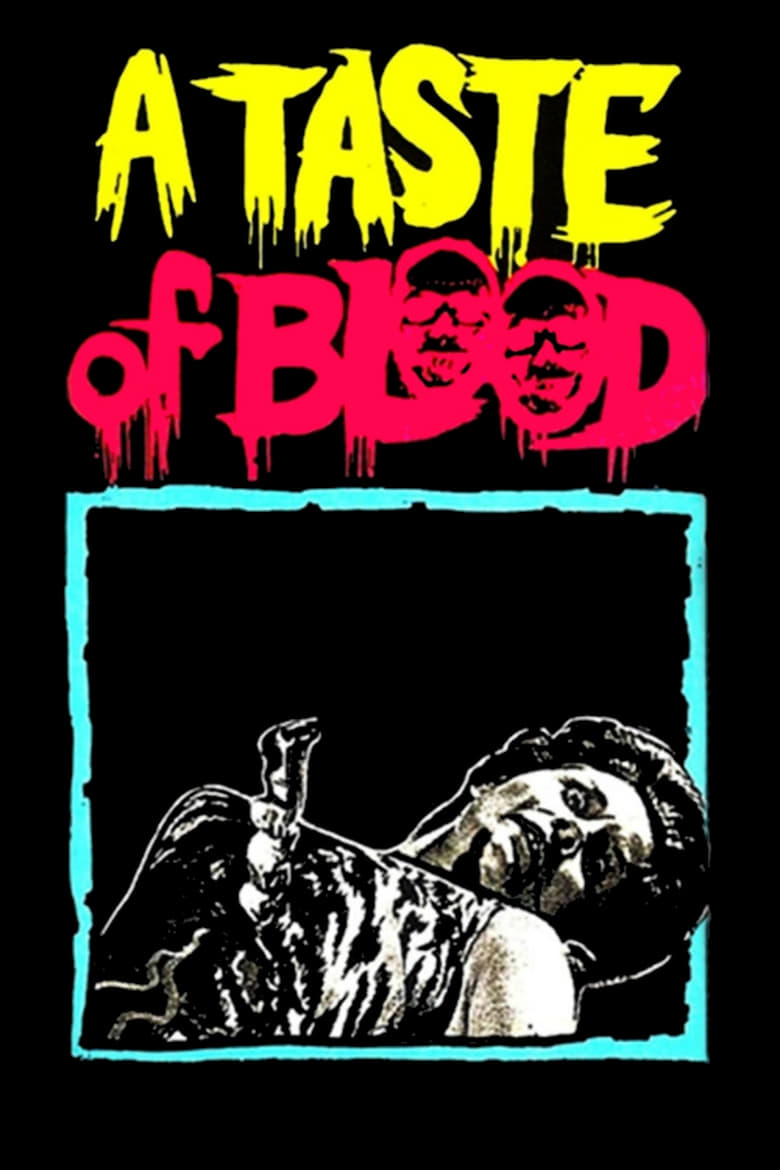
1967
Director
Herschell Gordon Lewis
Runtime
117 minutes
Average Rating
No ratings yetSynopsis
A businessman turns into a vampire after drinking brandy laced with vampire blood and sets out on an odyssey of killing the descendants of Dracula's executioners.
Overall Score
Minimal
Category Breakdown
LGBTQ+ Representation
The film lacks any discernible LGBTQ+ characters or explorations of non-heteronormative identities. It adheres to the conventional social structures and standard romantic pairings typical of 1960s genre cinema.
Gender Representation
Women primarily function as victims or love interests, serving as catalysts for horror rather than driving the plot through agency. The film maintains traditional gender roles without subverting masculine leadership or feminine submissiveness.
Racial & Ethnic Diversity
The cast appears largely homogeneous, reflecting the historical production standards of the exploitation sub-genre. There is no evidence of intentional racial blending or diverse casting to challenge social constraints.
Religious & Cultural Diversity
The narrative avoids engagement with systemic critiques of Western institutions, capitalism, or religion. It focuses on individual survival and horror tropes rather than any ideological deconstruction of societal structures.
Disability Representation
There is no evidence of characters with physical, sensory, or neurodivergent identities being portrayed with agency. Disability is not utilized as a thematic element or a tool for character development.
Strengths
Areas for Improvement
AI Analysis
A Taste of Blood functions as a foundational splatter film that prioritizes visceral spectacle and practical effects over social commentary. The narrative architecture is built entirely around the mechanics of 1960s exploitation cinema, emphasizing shock value and genre tropes. Because the film focuses on the immediate sensory impact of horror, it leaves the socio-political landscape largely unexamined. The work lacks the intentionality required to challenge traditional hierarchies or provide meaningful intersectional representation, remaining firmly within the conventions of its era.
1964
1969
1973
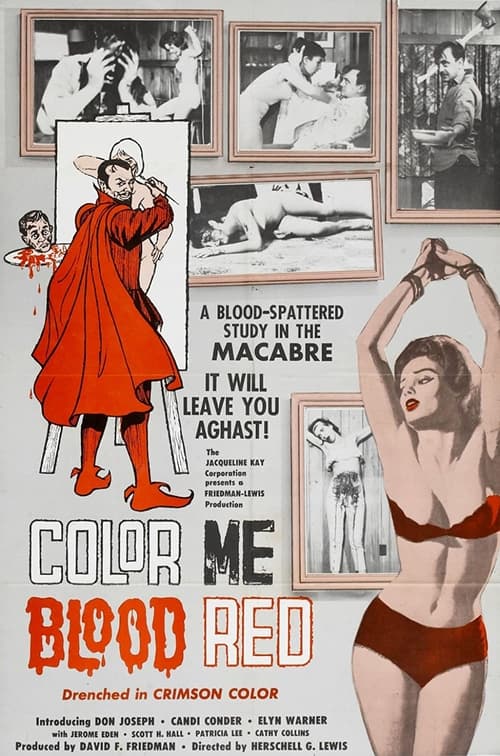
1965
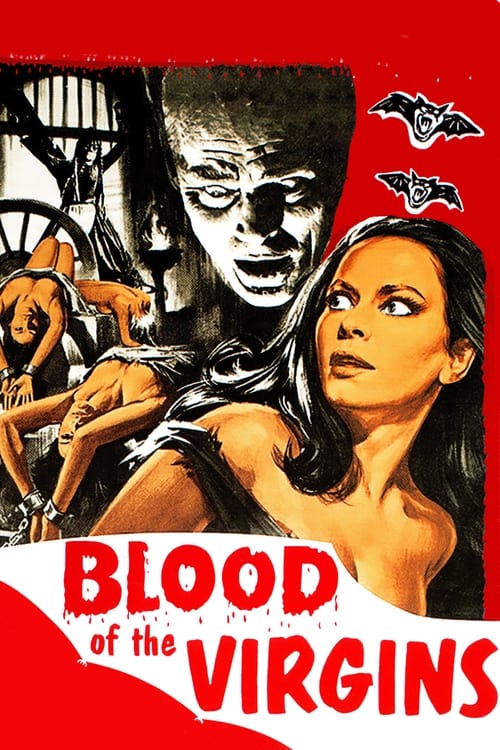
1967
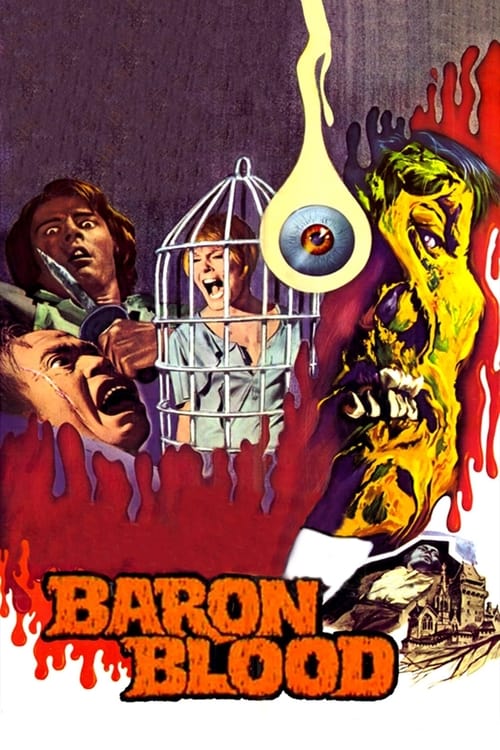
1972

1973
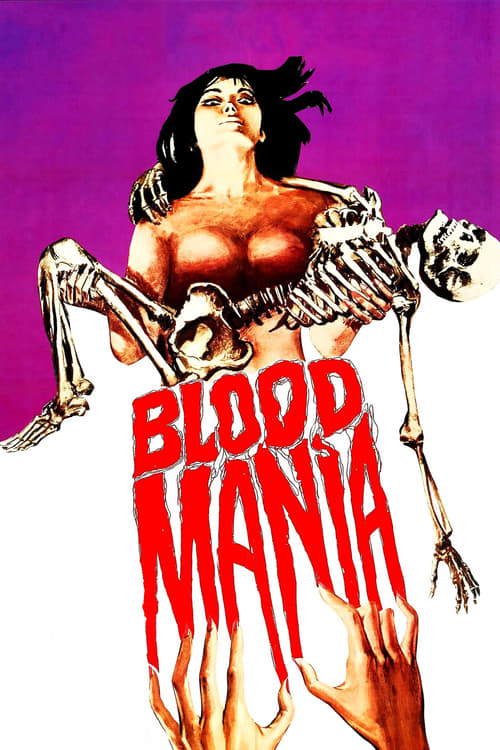
1970
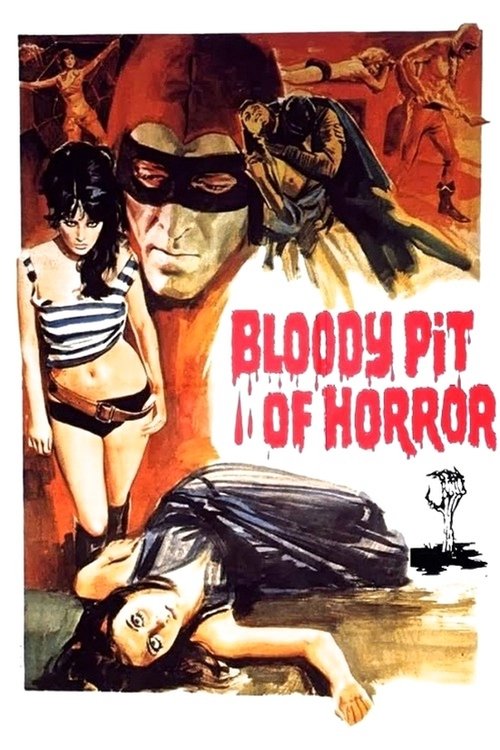
1965
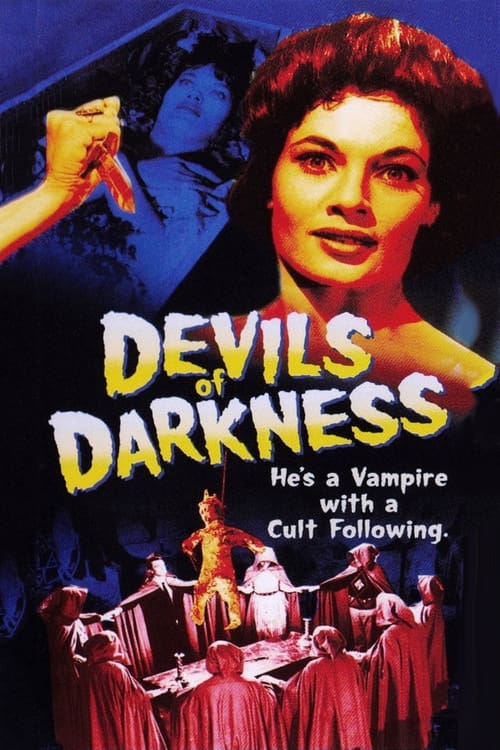
1965
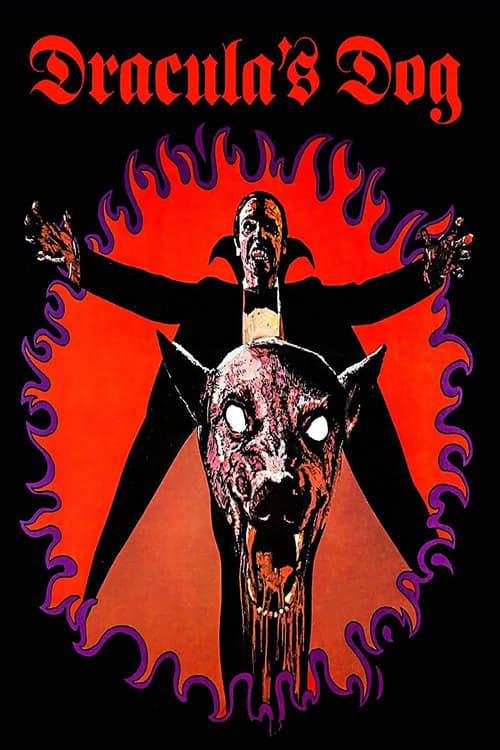
1977
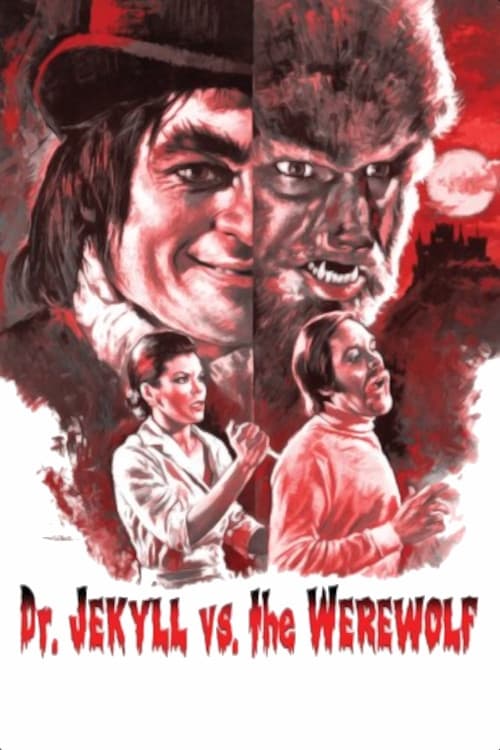
1972
No reviews yet. Be the first to share your thoughts on this movie!
Use the rating form above to leave a star rating and optional review.