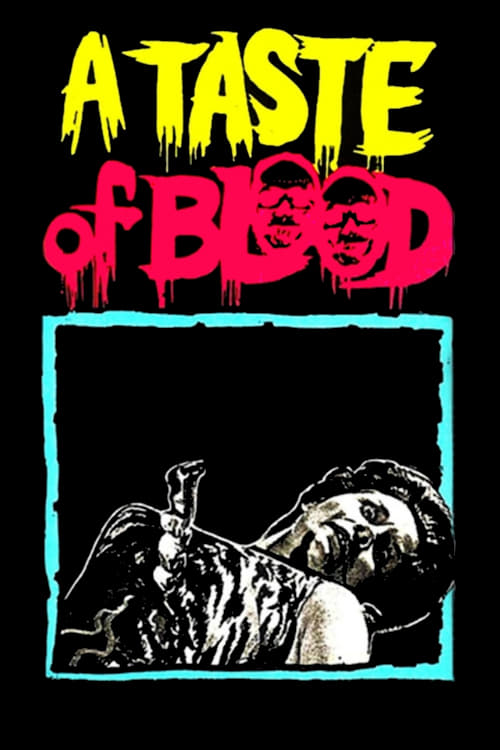
A Taste of Blood
1967
No user ratings available yet
Representation score: 0.4 out of 10
Representation Score
Fair
1966
NRDirector
Jack Hill, Stephanie Rothman
Runtime
62 minutes
Average Rating
No ratings yetNew Showbiz Analysis
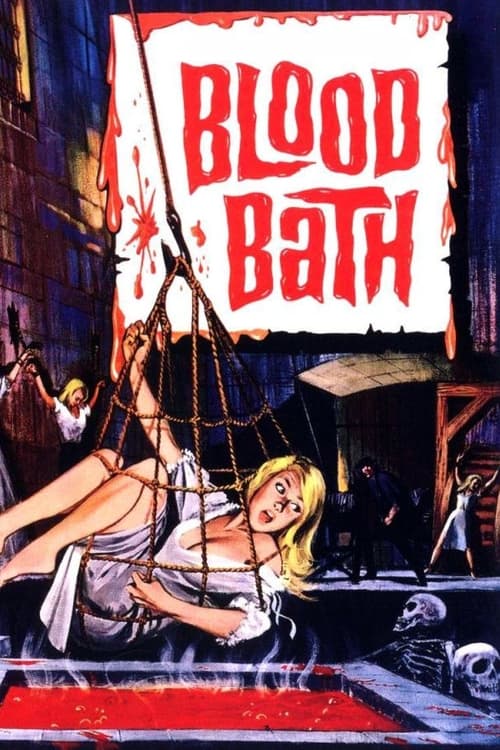
Blood Bath blends 1960s exploitation clichés with director Stephanie Rothman's subversive approach. While the plot revolves around a male predator, Rothman's direction may challenge traditional power dynamics by highlighting female survival and ability to act. However, the film remains confined by the era's demographic norms, lacking significant LGBTQ+, racial, or disability representation. Ultimately, Blood Bath uses the 'morbid artist' archetype to blur the lines between creator and killer, exploring moral ambiguity.
Category Breakdown
The film does not include any explicit LGBTQ+ characters or non-straight relationships.
The movie emphasizes the tension between a male predator and female subjects. Stephanie Rothman's direction likely gives the female characters more control and complexity compared to typical exploitation films.
The story focuses on a specific interpersonal conflict without showing a diverse cast. It seems to follow the demographic norms of mid-1960s genre films.
The film explores moral ambiguity through a protagonist who is both an artist and a murderer, challenging traditional good-versus-evil narratives.
There is no indication of characters with physical or neurodivergent disabilities in the film.
Present on Screen
Limited or Absent
Official Synopsis
A painter of morbid art, who becomes a murderous vampire by night and kills young women, attempts a daytime relationship with a woman who resembles a former love and is also the sister of one of his victims.
1967
1960

1971
1964
1971
1971

1970

1972
No reviews yet. Be the first to share your thoughts on this movie!
Use the rating form above to leave a star rating and optional review.