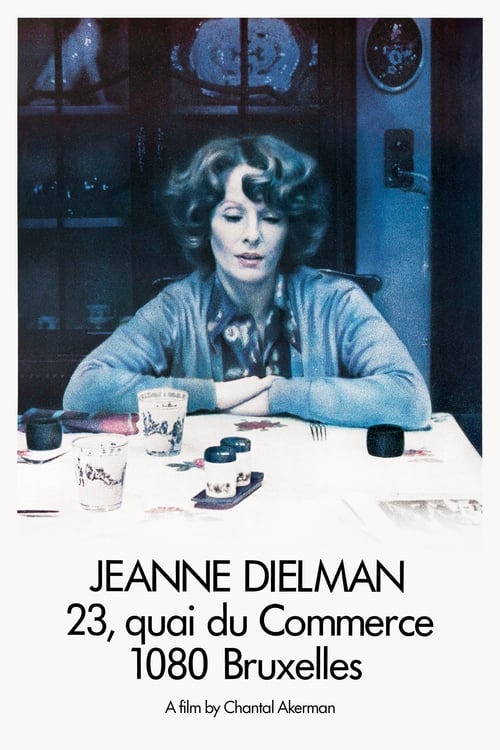
Jeanne Dielman, 23, quai du Commerce, 1080 Bruxelles
1976
No user ratings available yet
Diversity score: 6.7 out of 10

1978
Director
Chantal Akerman
Runtime
128 minutes
Average Rating
No ratings yetSynopsis
Detached filmmaker Anna Silver arrives in Germany to show her latest film; over the course of some days, she encounters a variety of new and old faces, some of whom make personal revelations to her to little affect.
Overall Score
Fair
Category Breakdown
LGBTQ+ Representation
The film lacks explicit depictions of LGBTQ+ identities or non-heteronormative romantic pairings. It remains within a neutral framework, offering no queer characters or subversions of heteronormativity through dialogue or intimacy.
Gender Representation
Akerman excels by centering the female experience of space and solitude. The protagonist maintains intellectual autonomy, navigating the world without being defined by domestic roles or relationships to men.
Racial & Ethnic Diversity
The cast is relatively homogeneous, reflecting the European urban environments of the setting. The narrative does not actively engage with diverse cultural identities or intentional racial blending.
Religious & Cultural Diversity
The film presents a postmodern, secular sensibility that avoids singular religious morality. It favors moral relativism through an observational style focused on the mundane and disconnected moments of daily life.
Disability Representation
There are no specific depictions of physical or neurodivergent disabilities. While the film explores psychological isolation, it lacks explicit characterization regarding disability.
Strengths
Areas for Improvement
AI Analysis
Chantal Akerman’s work is a profound subversion of patriarchal storytelling. By prioritizing a woman's interiority and agency over traditional plot-driven conflict, the film successfully deconstructs standard gendered tropes and the male gaze. However, the film's structuralist minimalism results in a lack of demographic breadth. The cast remains largely homogeneous, and the narrative does not engage with diverse racial, ethnic, or LGBTQ+ identities. Ultimately, the film's strength lies in its progressive cinematic language and its focus on feminine time, even as it remains neutral regarding broader social and identity-based representation.
1976

1984
1974
1999

1987
2020

2010

2001

1962
1980
2017
1967
No reviews yet. Be the first to share your thoughts on this movie!
Use the rating form above to leave a star rating and optional review.