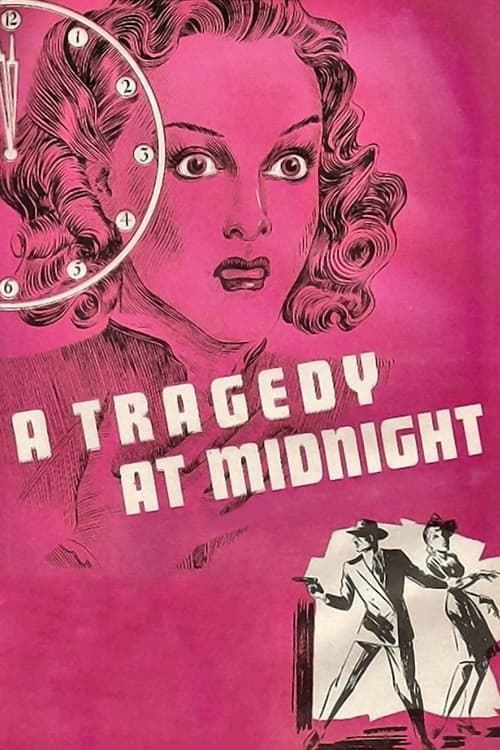
A Tragedy at Midnight
1942
No user ratings available yet
Representation score: 2.5 out of 10
Representation Score
Minimal
1939
ApprovedDirector
Leslie Goodwins
Runtime
66 minutes
Average Rating
No ratings yetNew Showbiz Analysis
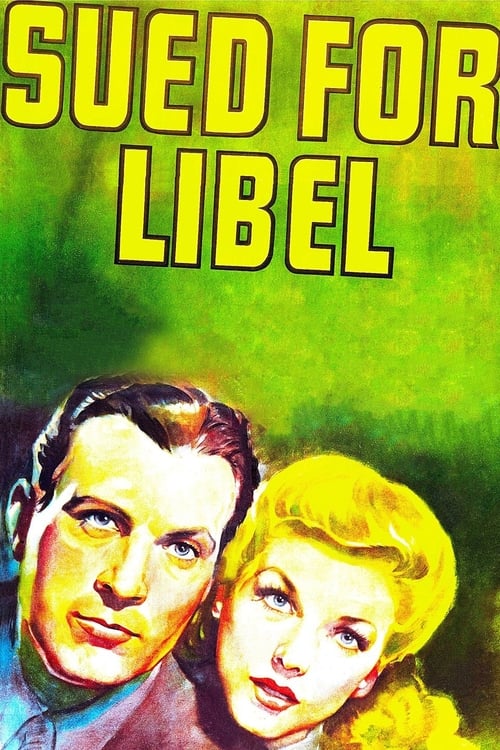
Sued for Libel is a traditional genre piece focused on the mechanics of journalism and the legal system. The plot is driven by situational irony regarding a reporting error rather than social critique. The film reflects the era's standard cinematic conventions, prioritizing professional stakes over the exploration of diverse identities. It functions as a conventional period piece that maintains the social constraints of 1939. Ultimately, the narrative lacks the intentionality required to challenge traditional hierarchies or provide nuanced representation of underrepresented groups.
Category Breakdown
The film adheres to the social norms of 1939. There is no evidence of LGBTQ+ identities or narratives that challenge the assumption that everyone is straight or cisgender.
The narrative likely follows mid-century conventions regarding professional and domestic roles. It lacks specific character arcs to suggest a departure from traditional gender roles and hierarchies.
Casting likely reflects the homogeneous demographic standards of a 1939 studio production. There is no indication of diverse casting to disrupt historical norms.
The story operates within a framework of institutional stability. The conflict centers on legal and journalistic systems rather than cultural or religious critique.
The available information provides no evidence regarding the inclusion of characters with visible or invisible disabilities.
Present on Screen
Limited or Absent
Official Synopsis
A New York City newspaper is sued for libel after reporting the wrong verdict in a murder trial.
1942

1940
1943

1941

1929
1964
1939

1930
No reviews yet. Be the first to share your thoughts on this movie!
Use the rating form above to leave a star rating and optional review.