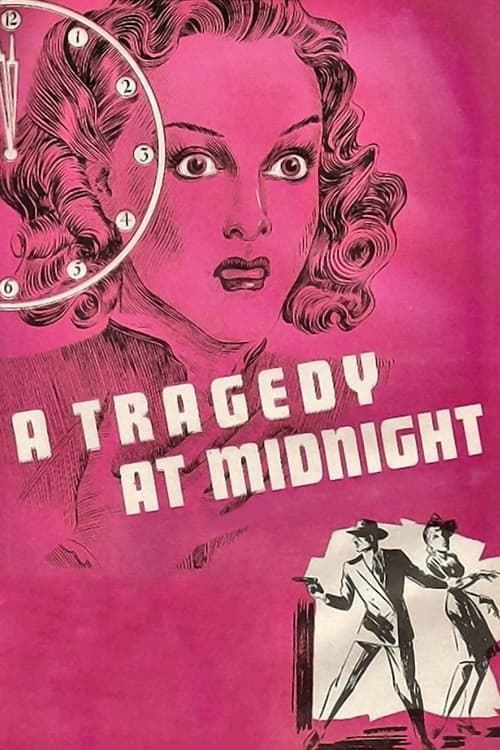
A Tragedy at Midnight
1942
No user ratings available yet
Representation score: 2.5 out of 10
Representation Score
Limited
1943
ApprovedDirector
Alexis Thurn-Taxis
Runtime
72 minutes
Average Rating
No ratings yetNew Showbiz Analysis
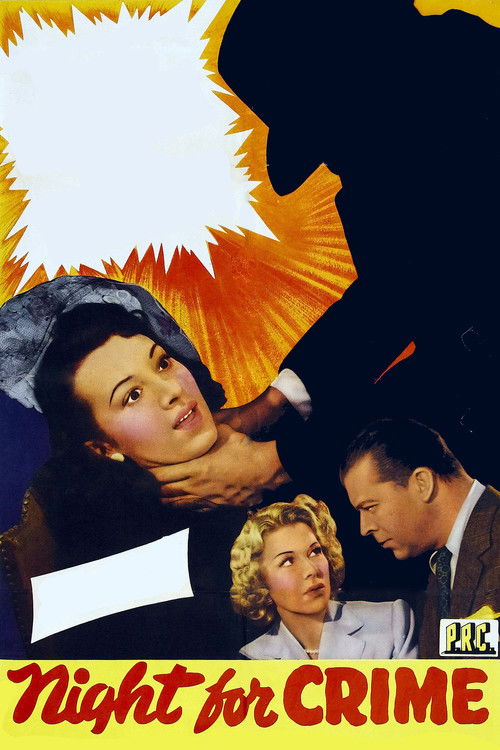
A Night for Crime is a conventional genre piece that reflects the systemic constraints of the 1943 studio system. While it offers some progressive elements through its female lead, it remains largely tied to the era's social hierarchies. The film's strength lies in its professional female protagonist, who drives the plot through intellectual authority. However, this ability to act is offset by a lack of racial and LGBTQ+ diversity, which is characteristic of wartime-era filmmaking. Ultimately, the movie functions as a standard mystery that reinforces existing social and cultural norms rather than challenging them.
Category Breakdown
The film does not include characters with non-binary gender identities or stories that challenge the assumption that everyone is straight or cisgender. It seems to follow the strict romantic structures typical of 1940s crime comedies.
Susan Cooper, the female lead, provides a moderate challenge to gender hierarchies as a quick-witted reporter and amateur detective. She has significant influence in driving the story intellectually.
The focus on Hollywood's famous figures suggests a likely homogeneous, Anglo-Saxon cast. There is no indication of diverse character arcs or non-white representation in the social strata.
Set during wartime, the film likely reinforces traditional values of patriotism and social cohesion. The narrative structure supports established social orders rather than critiquing them.
There is no information available regarding the inclusion of characters with physical or neurodivergent disabilities.
Present on Screen
Limited or Absent
Official Synopsis
A dark night in war time, with several black-outs, it's just a night for murder. Susan Cooper, a fast-talking girl reporter, doubles as amateur sleuth solving yet another mystery among Hollywood's famous.
1942
1940

1940
1944
1939
1941
1945
1936
No reviews yet. Be the first to share your thoughts on this movie!
Use the rating form above to leave a star rating and optional review.