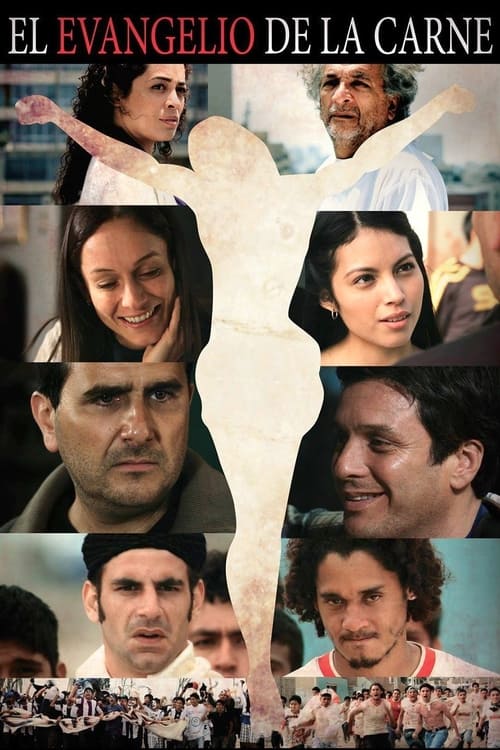
The Gospel of the Flesh
2013
No user ratings available yet
Diversity score: 5.4 out of 10
2007
PG-13Director
Rankin, Chris Cottam
Runtime
97 minutes
Average Rating
No ratings yetSynopsis
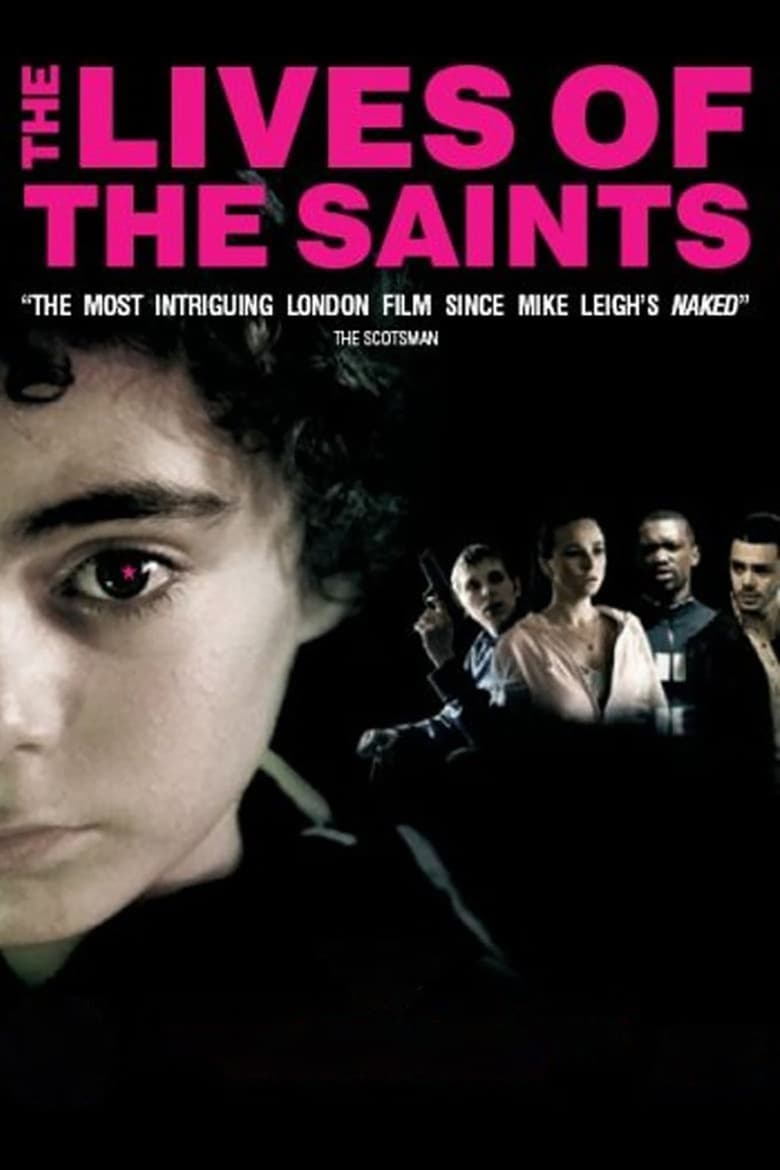
Mr Karva runs a shady little empire in North London. We don't know exactly how he makes his money but we know it's probably not very nice. Mr Karva's stepson, Othello, has ambitions to take the old man's place; and Othello's fainthearted friend, Emilio, has ambitions of his own. This delicate balance of power is upset when Roadrunner finds a strange, sickly-looking 10 year old boy in the park. All his life, Roadrunner has been on the move - but when he looks into the child's eyes, he finds he can finally stop running. It becomes clear that the child can grant each character their own taste of heaven - the 'perfect, rosy future of your dreams'. The child never talks but transforms the world around him, working on the desire in each character's heart, whatever it may be.
Overall Score
Fair
Category Breakdown
LGBTQ+ Representation
The film lacks explicit depictions of LGBTQ+ identities or same-sex intimacy. While characters pursue personal desires, there is no verifiable evidence of queer representation or subtext.
Gender Representation
The narrative centers on a male-dominated hierarchy of power and ambition. While a young boy introduces vulnerability, the lack of prominent female characters suggests a traditional gendered structure.
Racial & Ethnic Diversity
The North London setting and character names suggest a multicultural cast. The name Othello specifically hints at racial complexity and the navigation of identity within urban landscapes.
Religious & Cultural Diversity
The story explores moral relativism by using a child to fulfill individualistic desires. This approach disrupts singular religious frameworks in favor of exploring personal, subjective ethics.
Disability Representation
A sickly-looking child introduces themes of physical vulnerability. Rather than a simple trope, the character acts as a transformative force that alters the world around him.
Strengths
Areas for Improvement
AI Analysis
Lives of the Saints offers a nuanced look at urban life through a multicultural lens. The use of names like Othello and the North London setting suggests a departure from homogeneous casting, providing a rich, diverse backdrop for its character studies. However, the film leans heavily into masculine power dynamics. The central conflict is driven by men, and the absence of female characters or explicit LGBTQ+ identities limits the scope of its social representation. Ultimately, the film finds strength in its subversion of moral absolutes. By focusing on the subjective 'dreams' of its characters, it moves beyond traditional social orders to explore a more complex, situational morality.
2013
2013

2007
2001

2004
2012
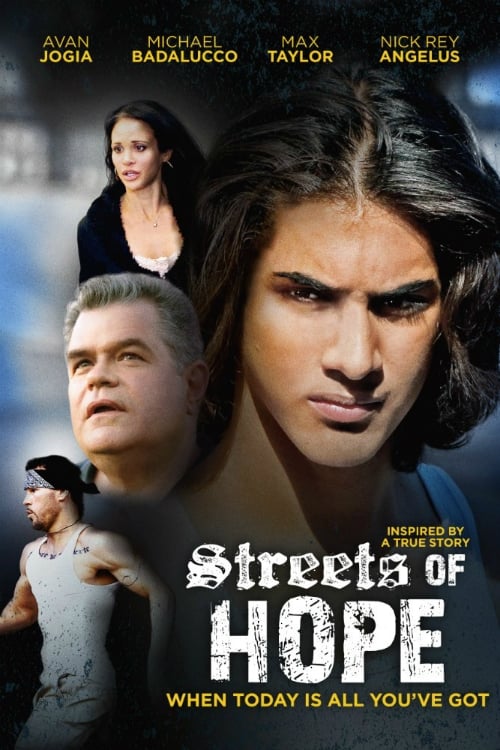
2014

2011
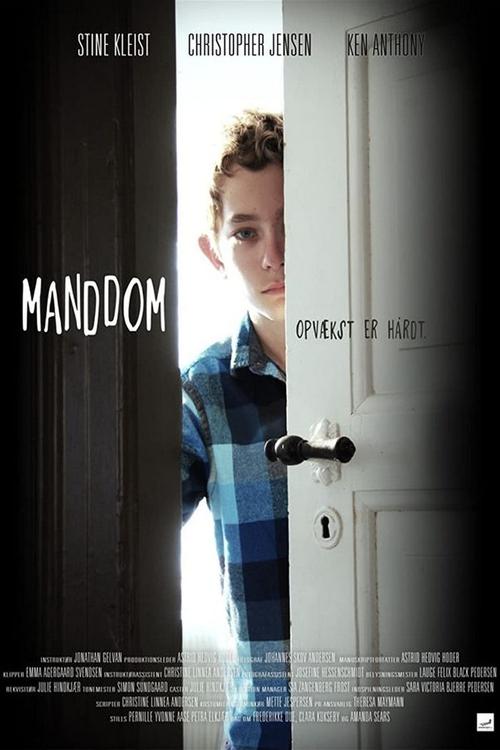
2012
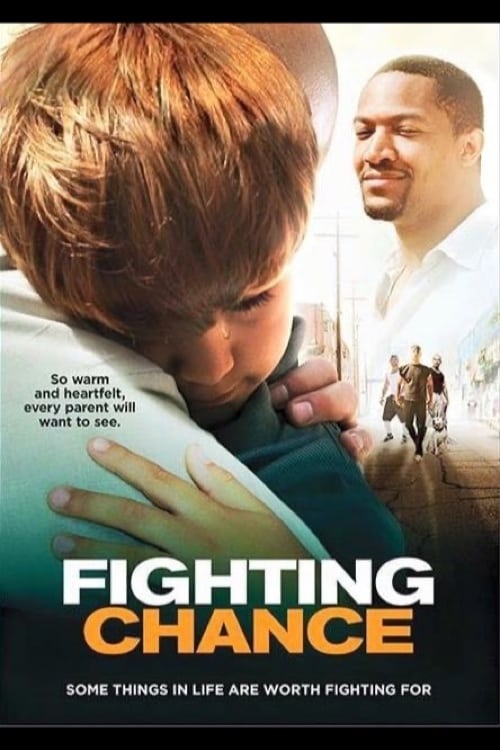
2015

2003

1995
No reviews yet. Be the first to share your thoughts on this movie!
Use the rating form above to leave a star rating and optional review.